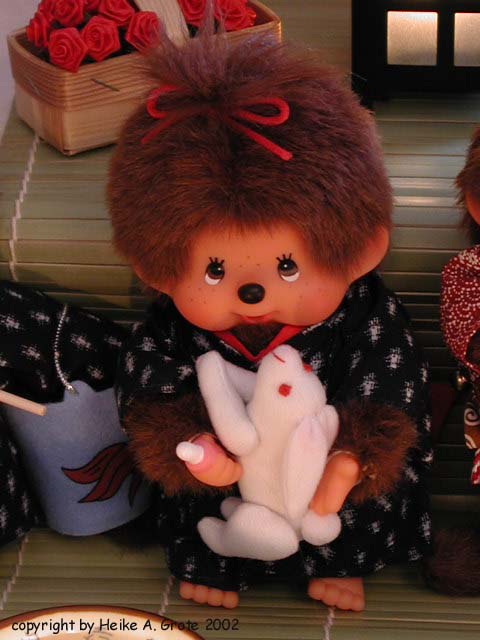
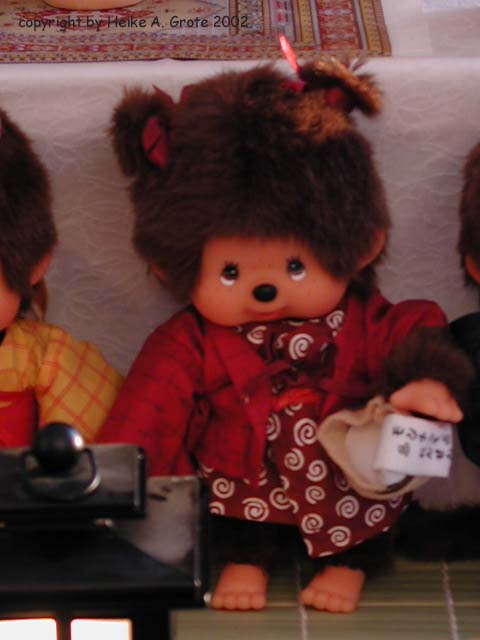
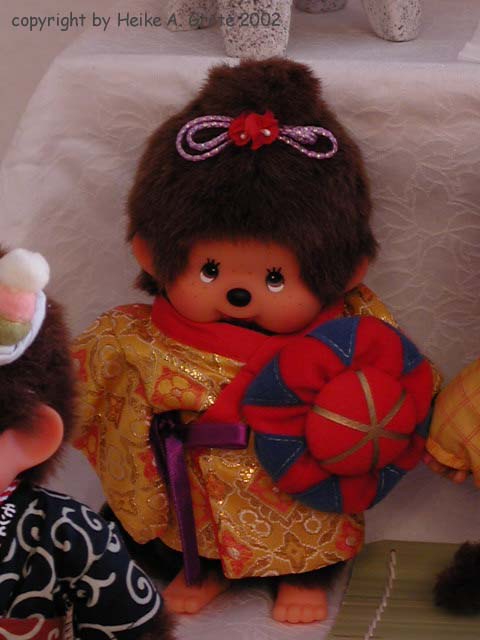
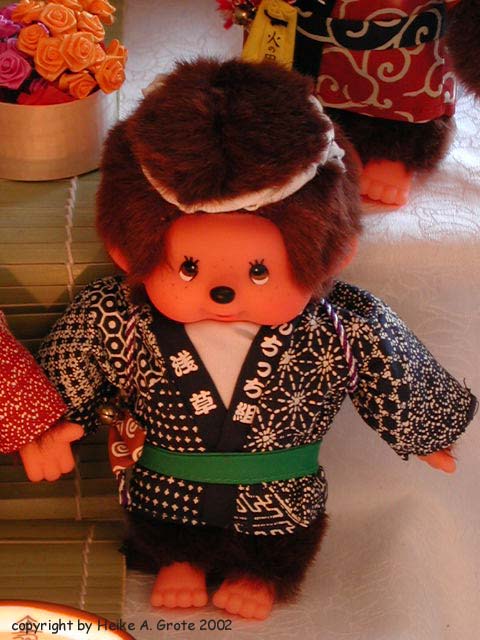
Hina Matsuri is the japanese festival for young girls, which is
celebrated at March 3rd in modern times. It is an event where
people hope for growth and happiness for girls and it is called
"Momo-no-Sekku", whichmeans
"festival
of peach".
"Hina" is an ancient word and means "doll" and "Matsuri" means
"festival".
"Momo" means "peach" and "Sekku" is another word for
"festival". The festival is also often called the Peach Festival. At this
day gracefull dolls dressed in ancient costumes are displayed in a
layout with different steps.
This decoration stands for about one month.
Hina MAtsuri 2014
In
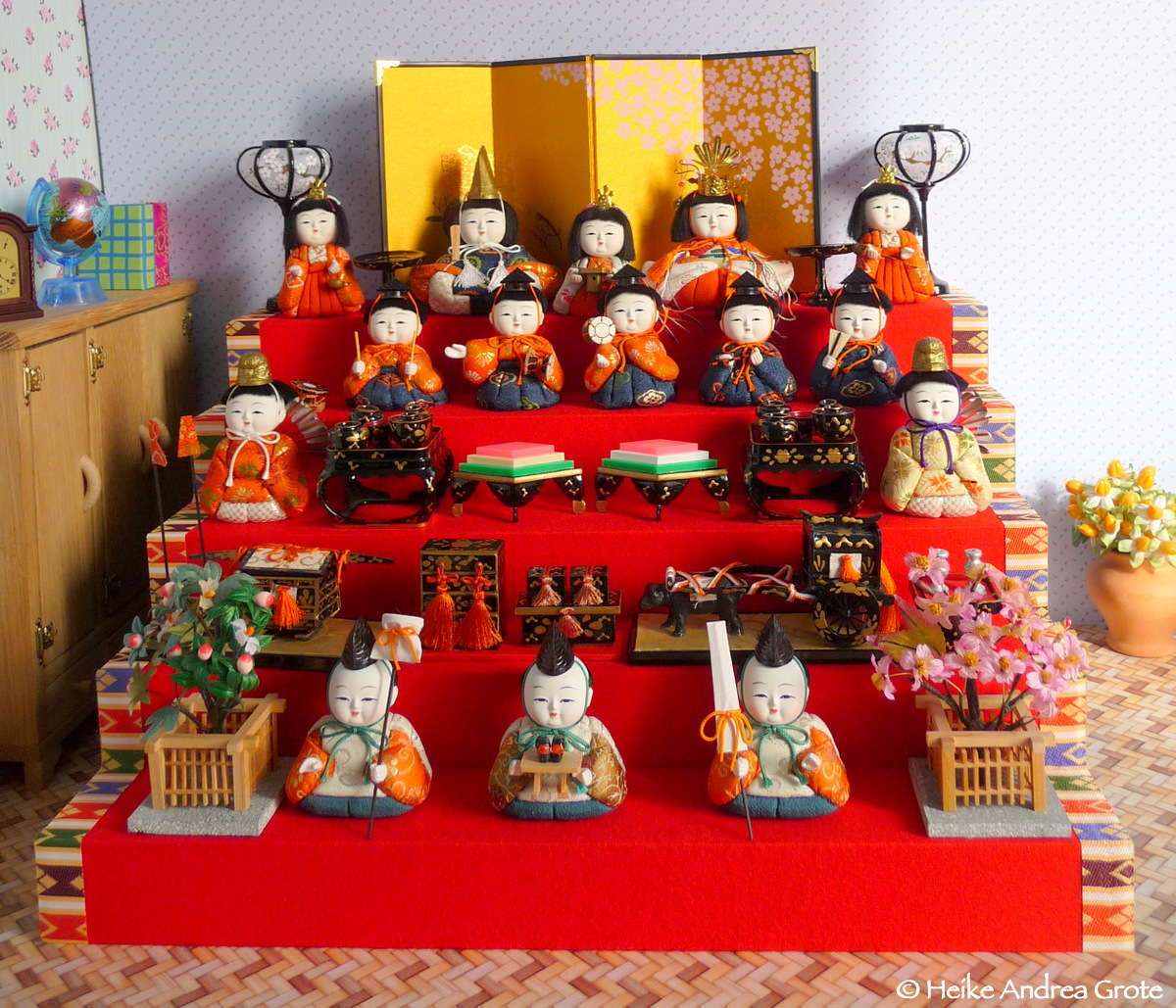
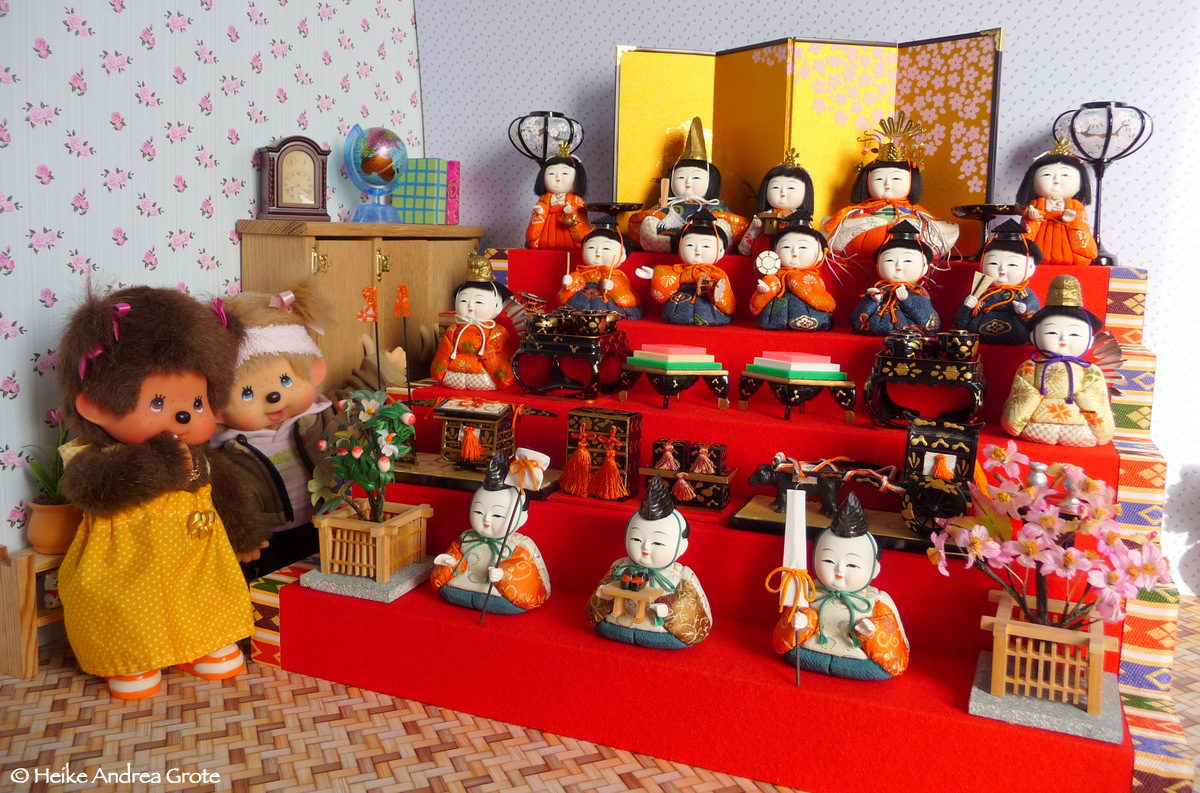
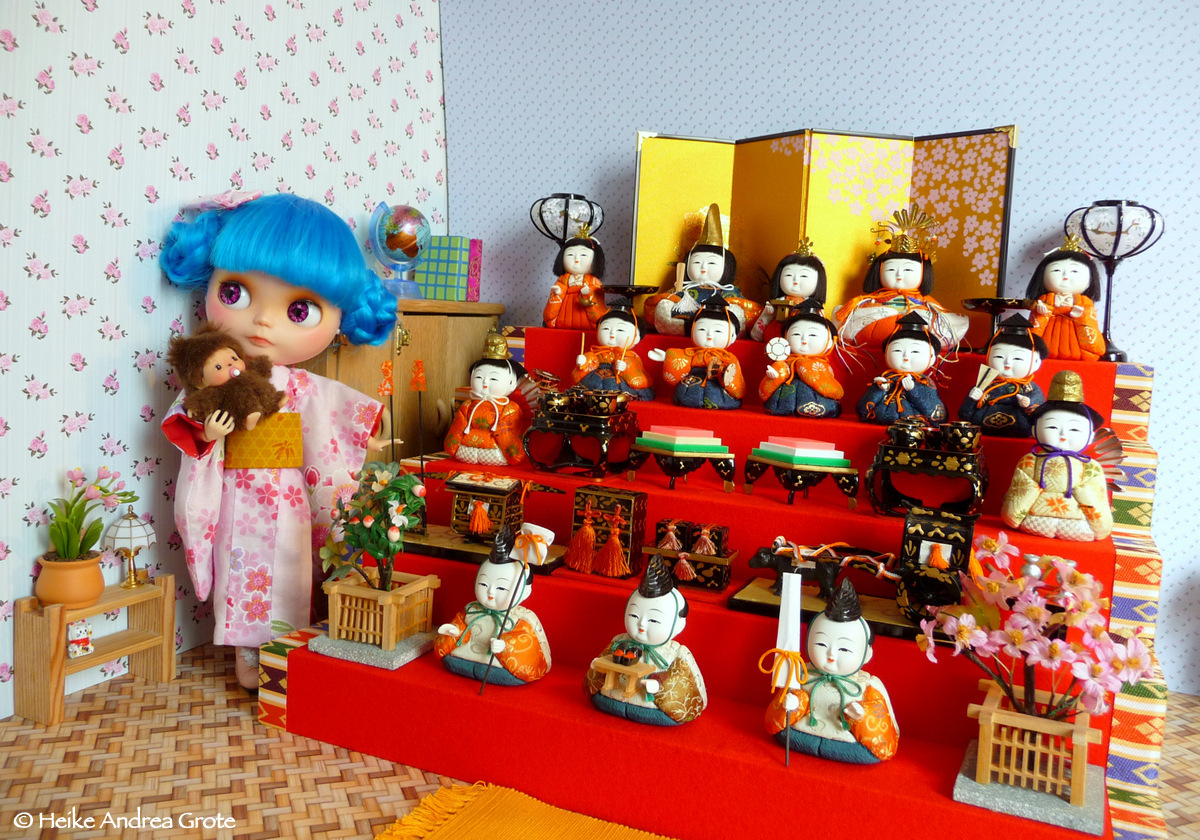
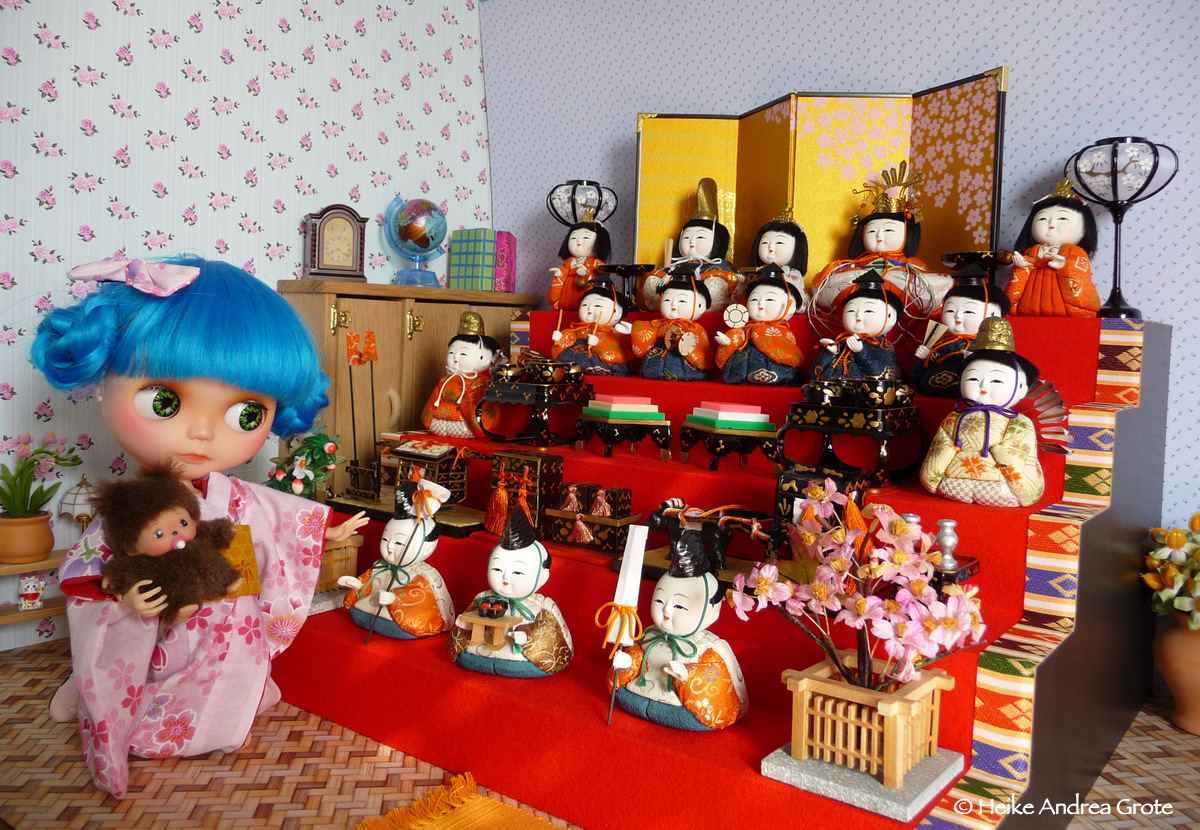
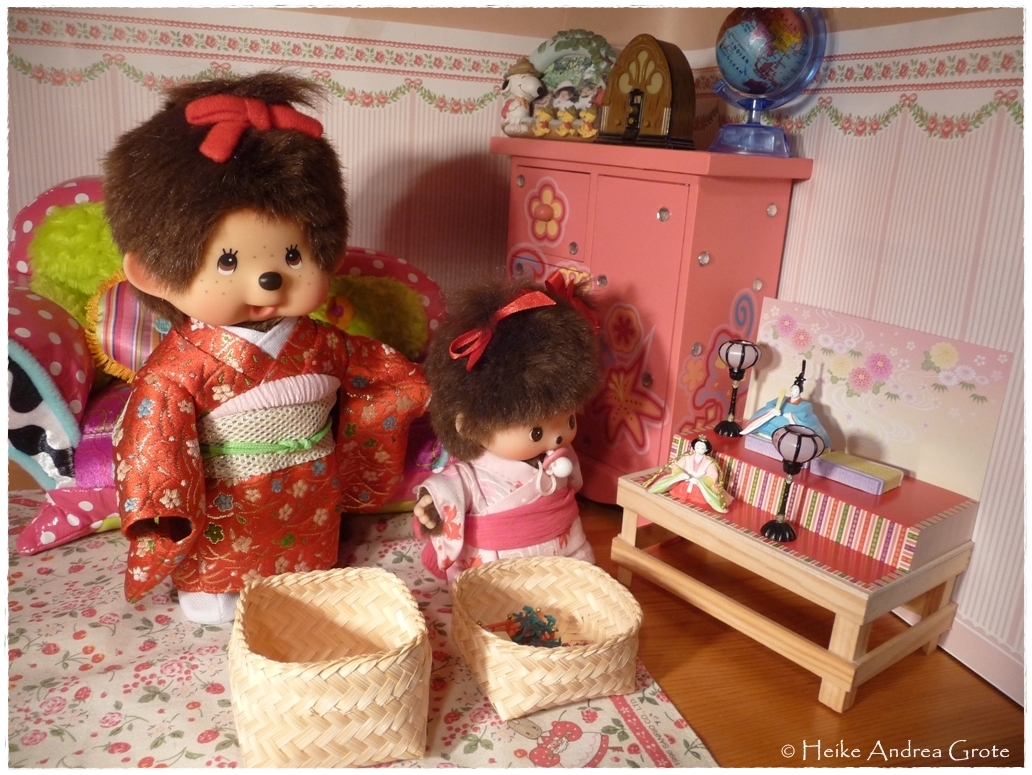
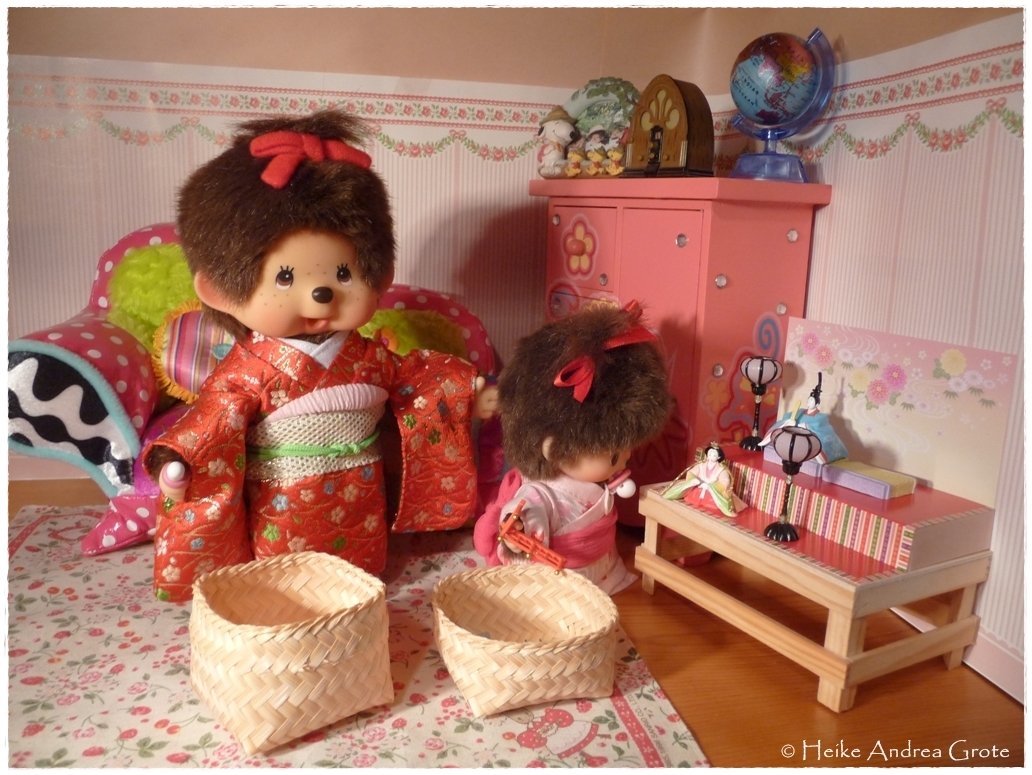
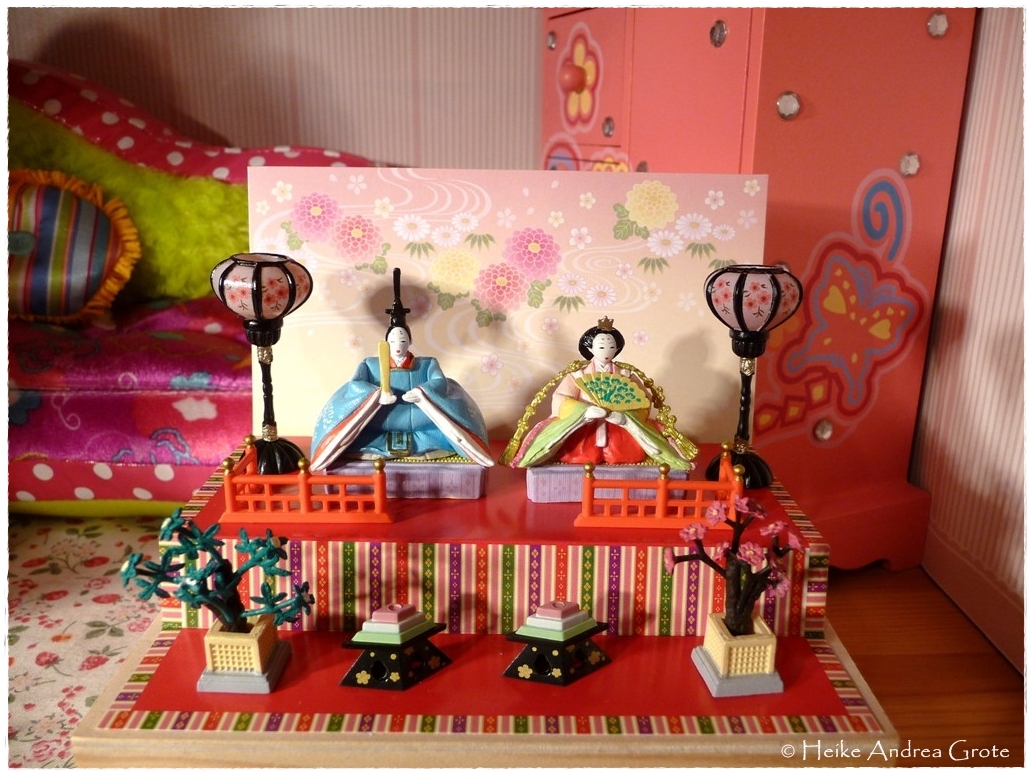
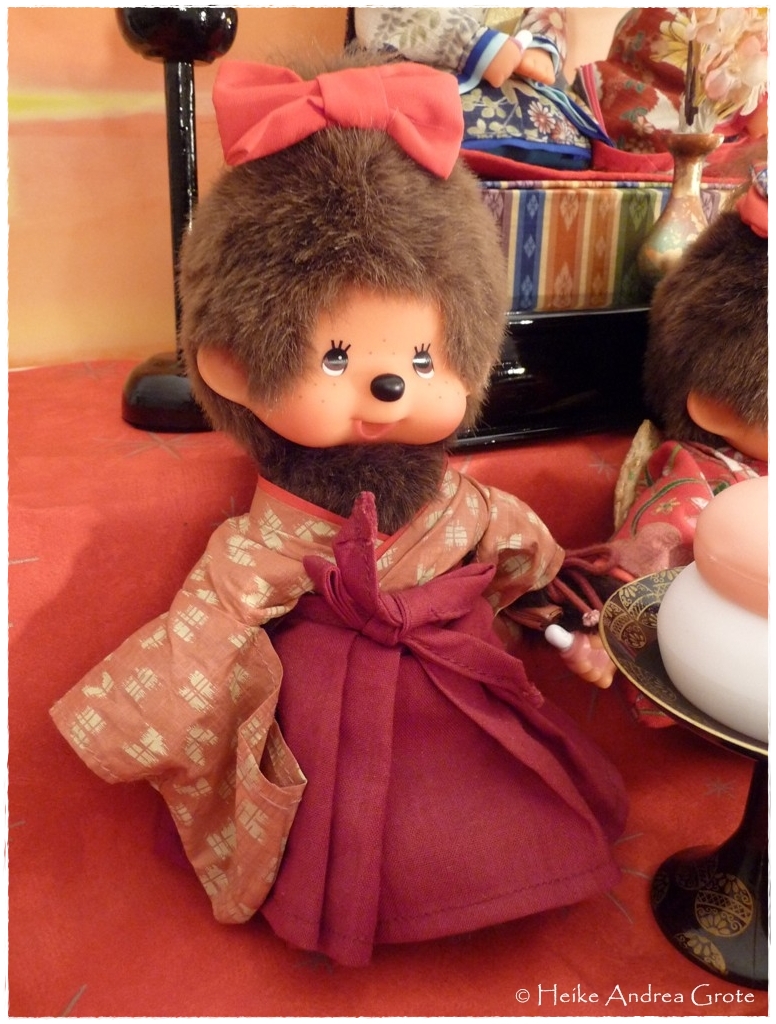
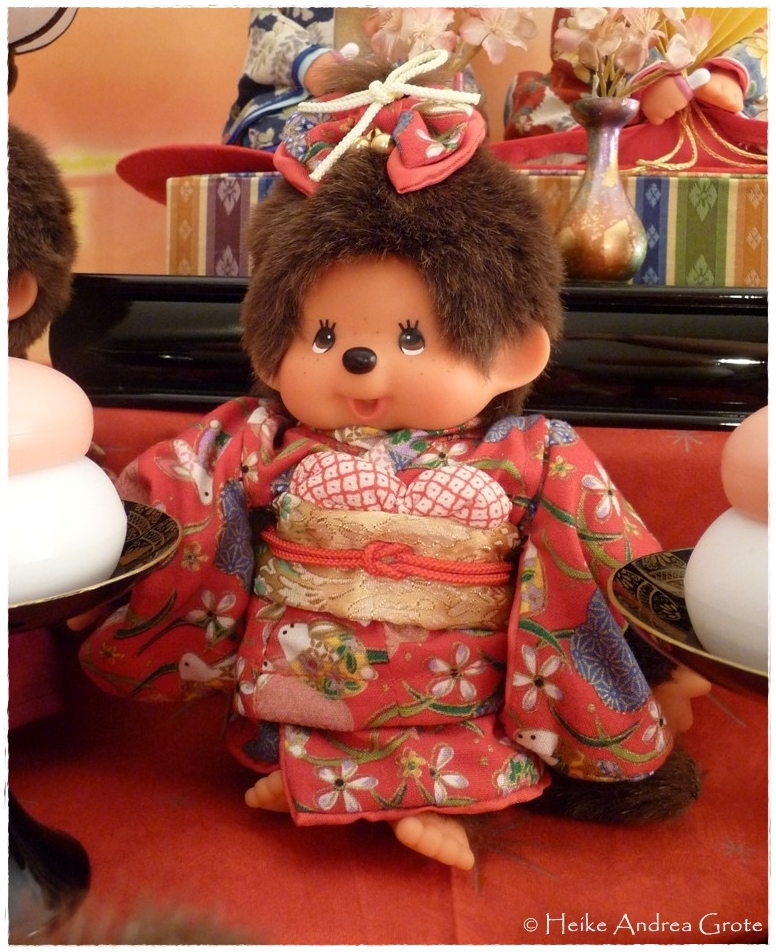
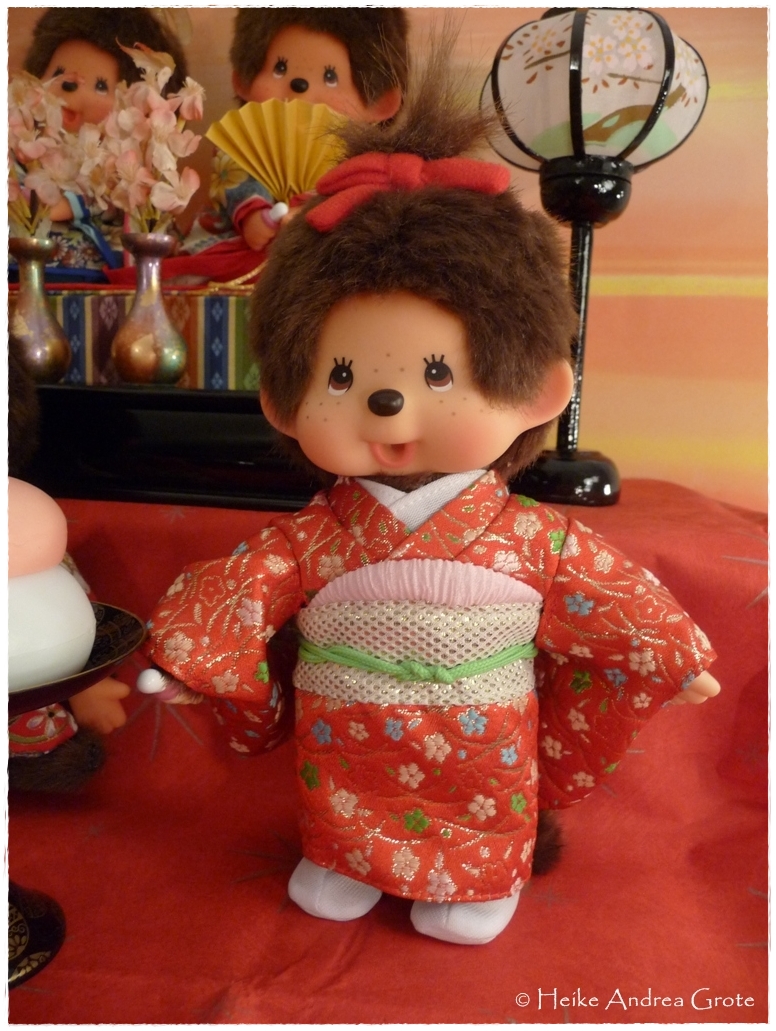
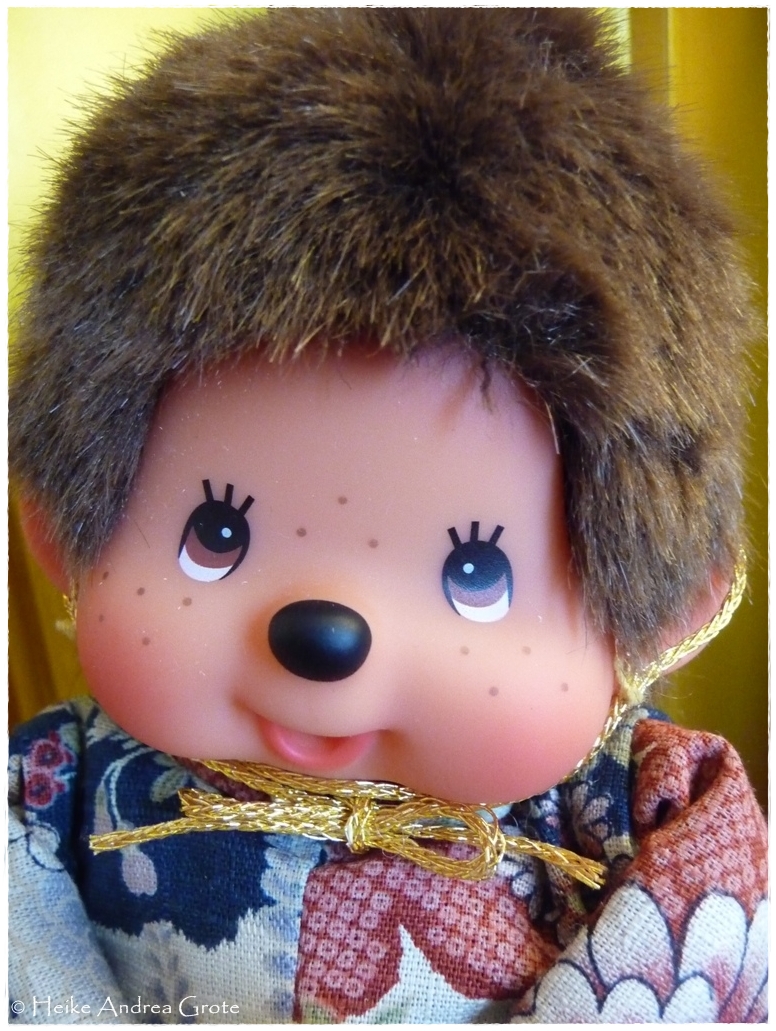
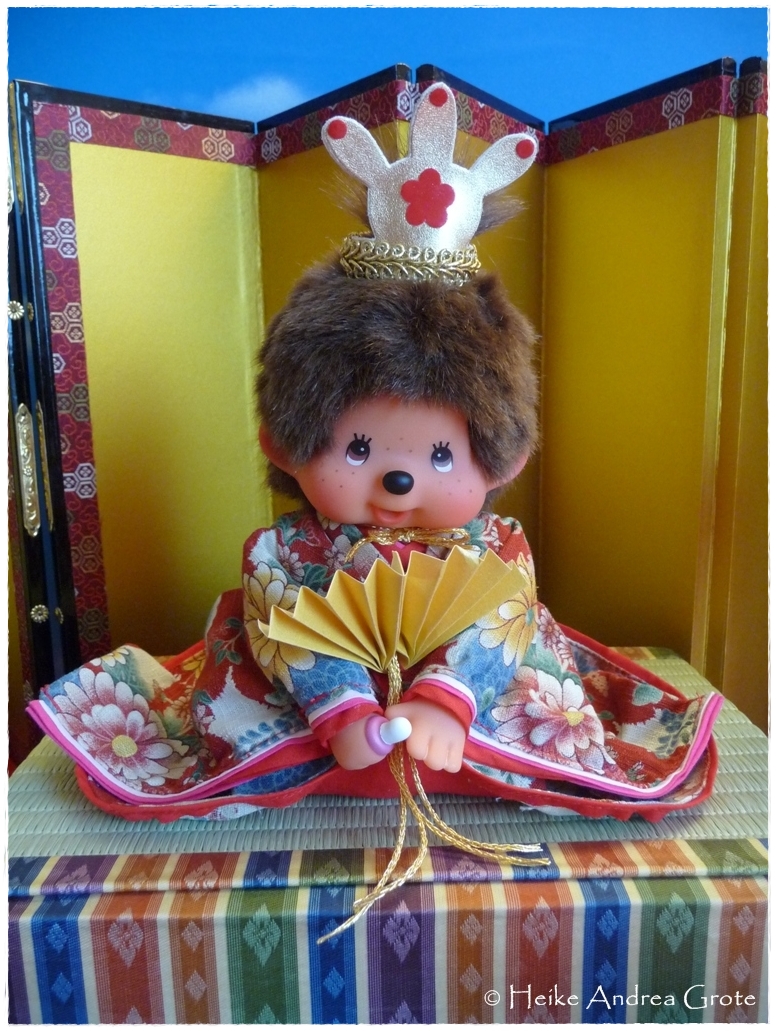
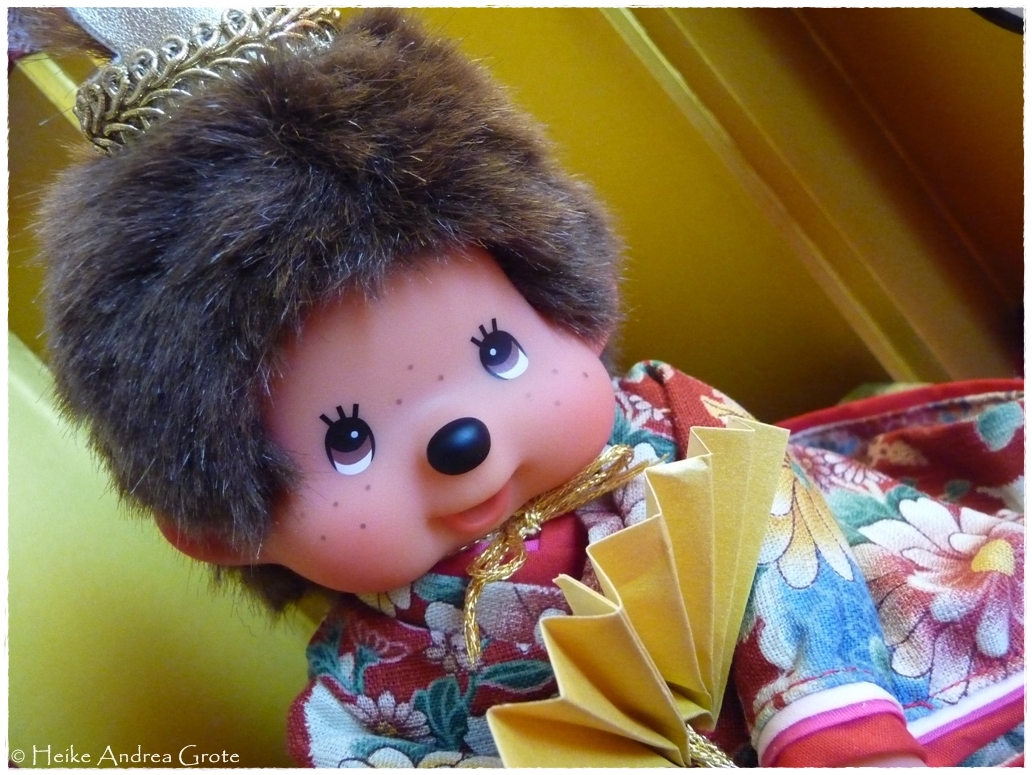
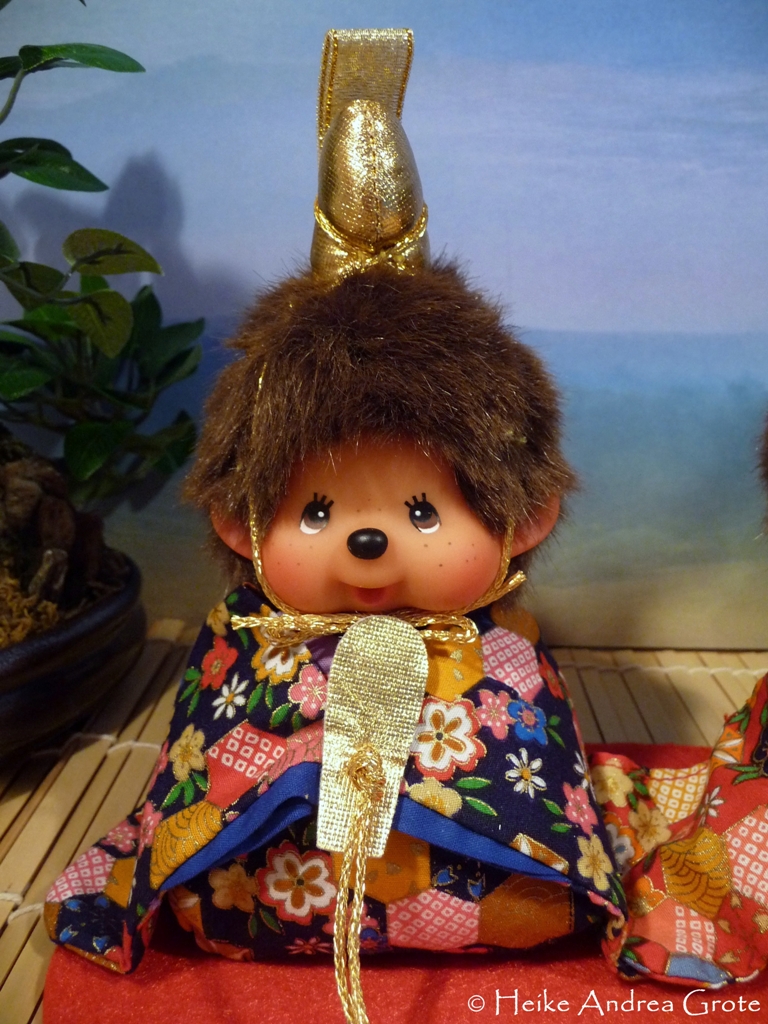
2014 I decorated my Hina Matsuri display with Kimekomi dolls.
They look very cute and are so kawaii!.
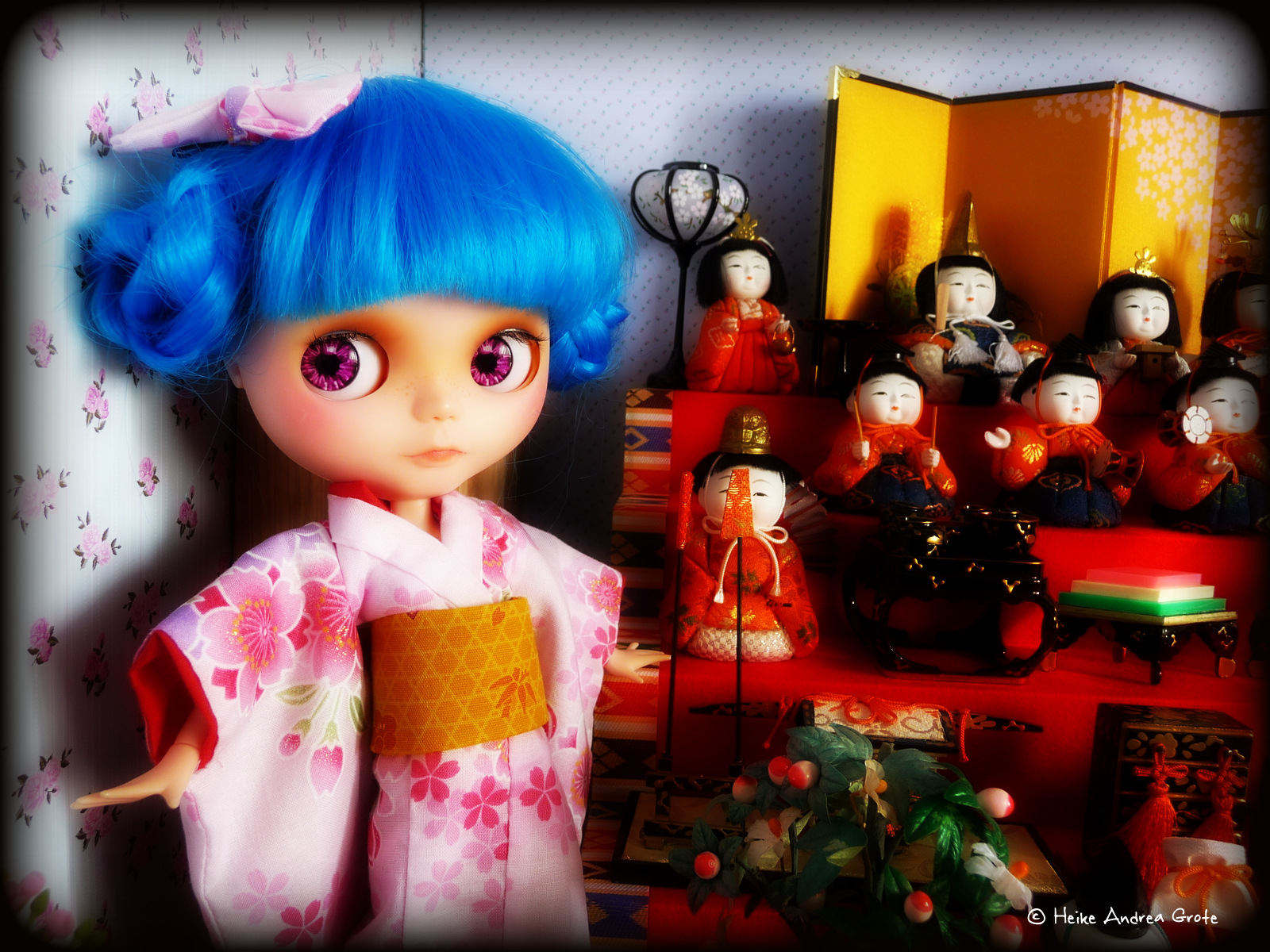
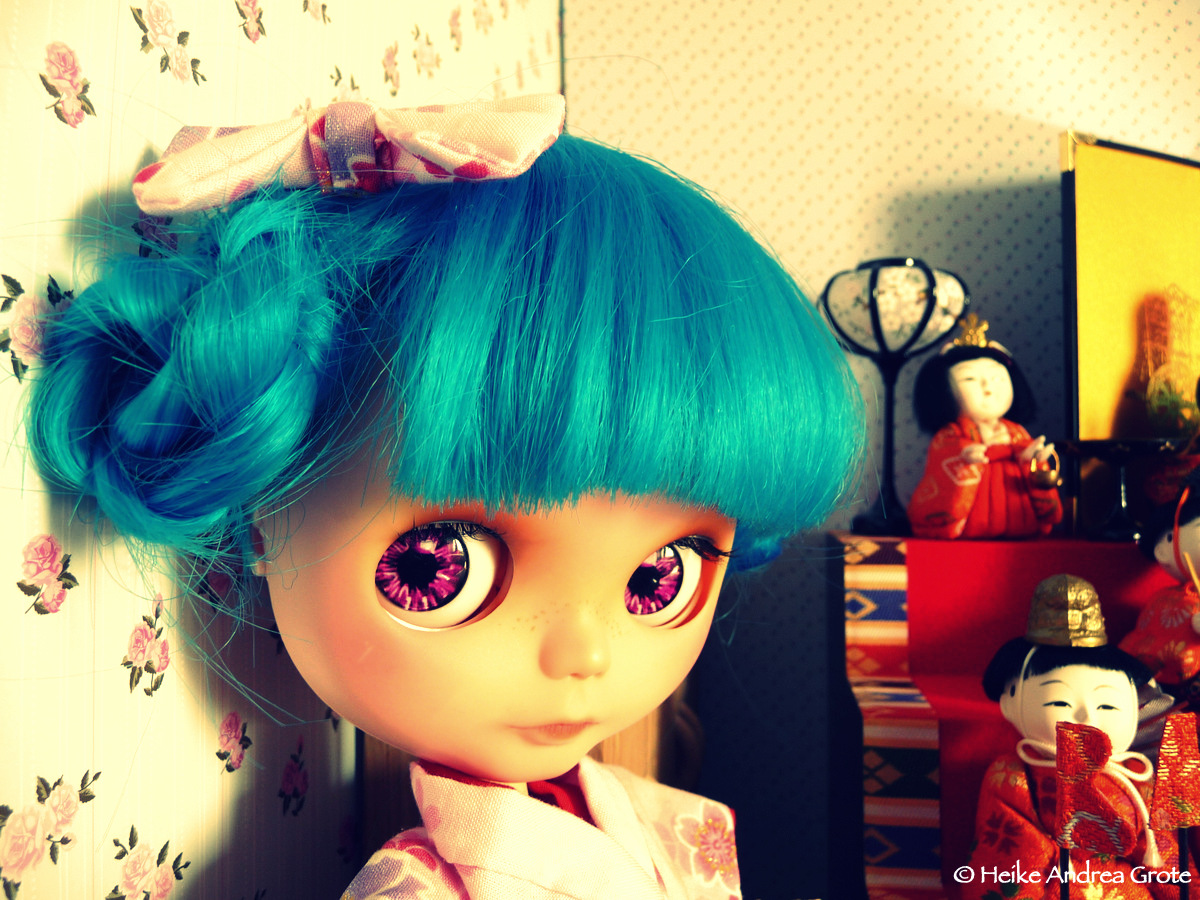
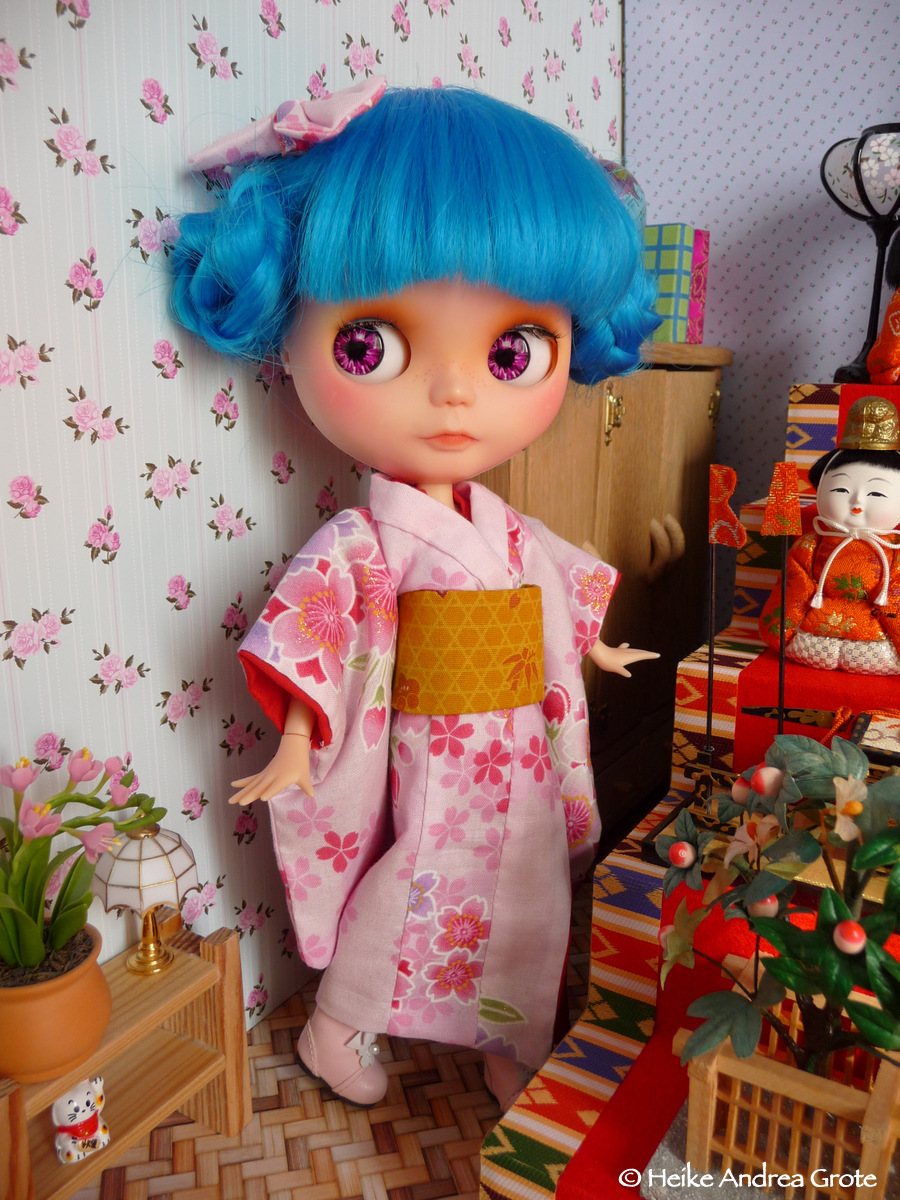
Bluebelle
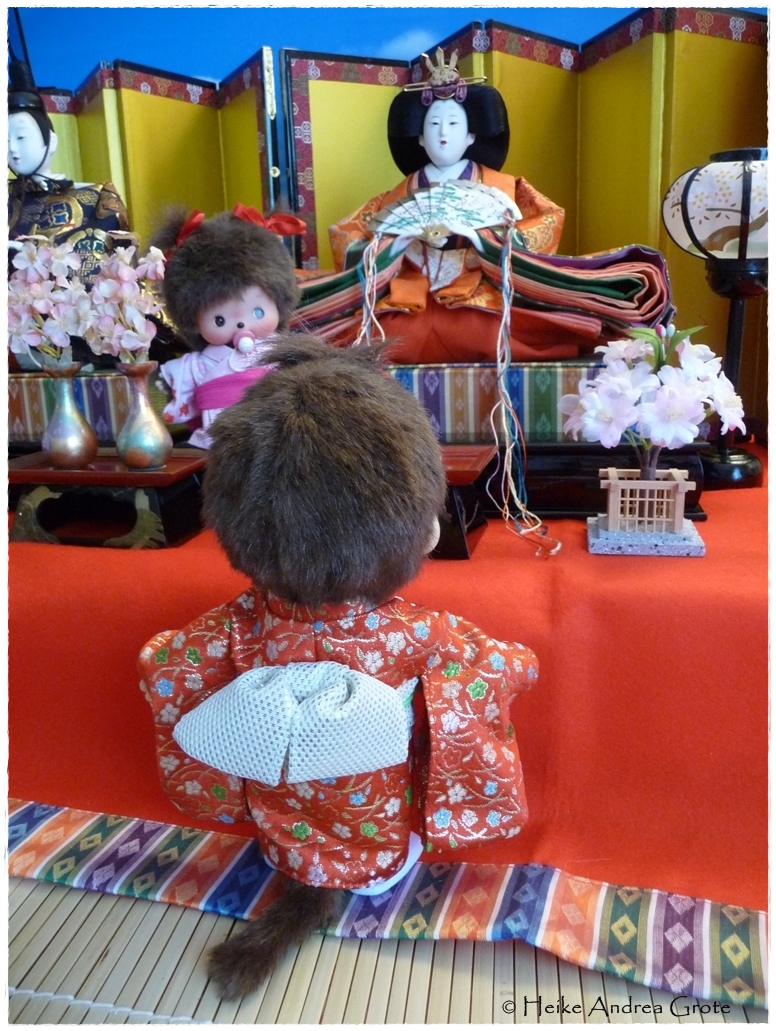
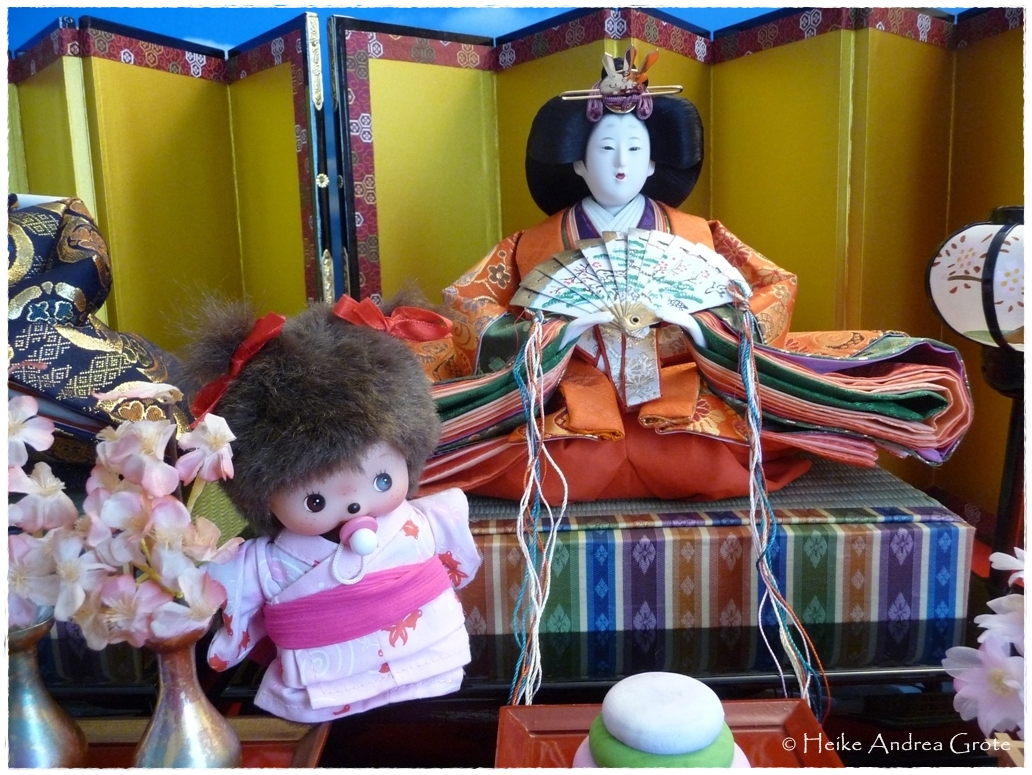
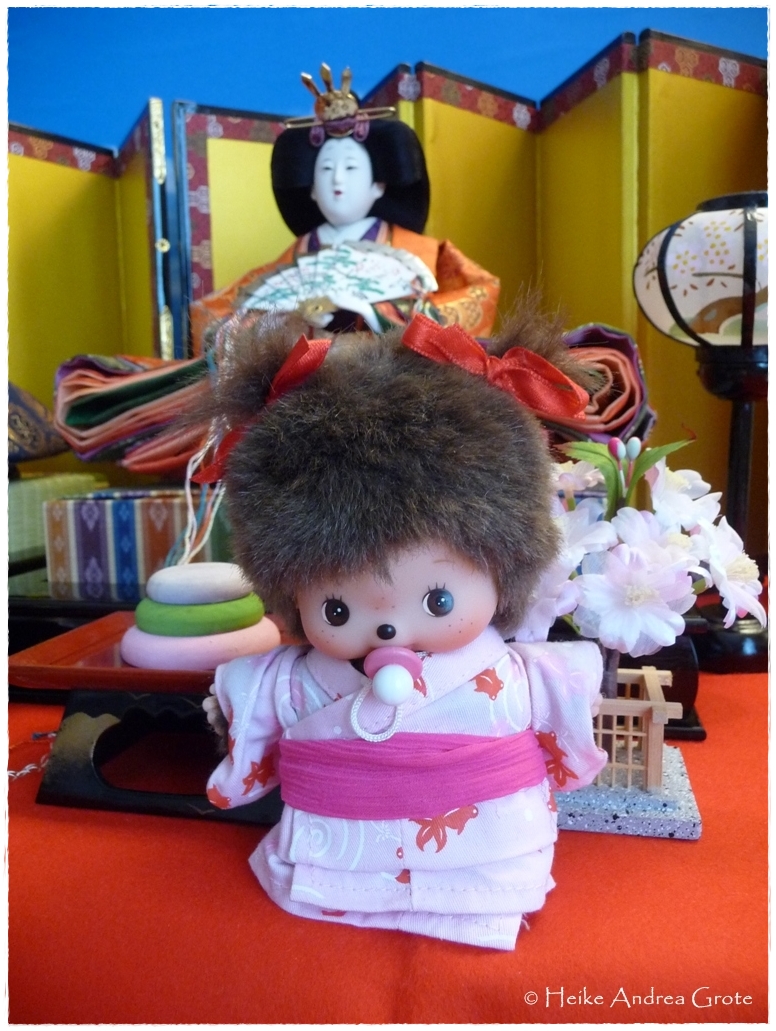
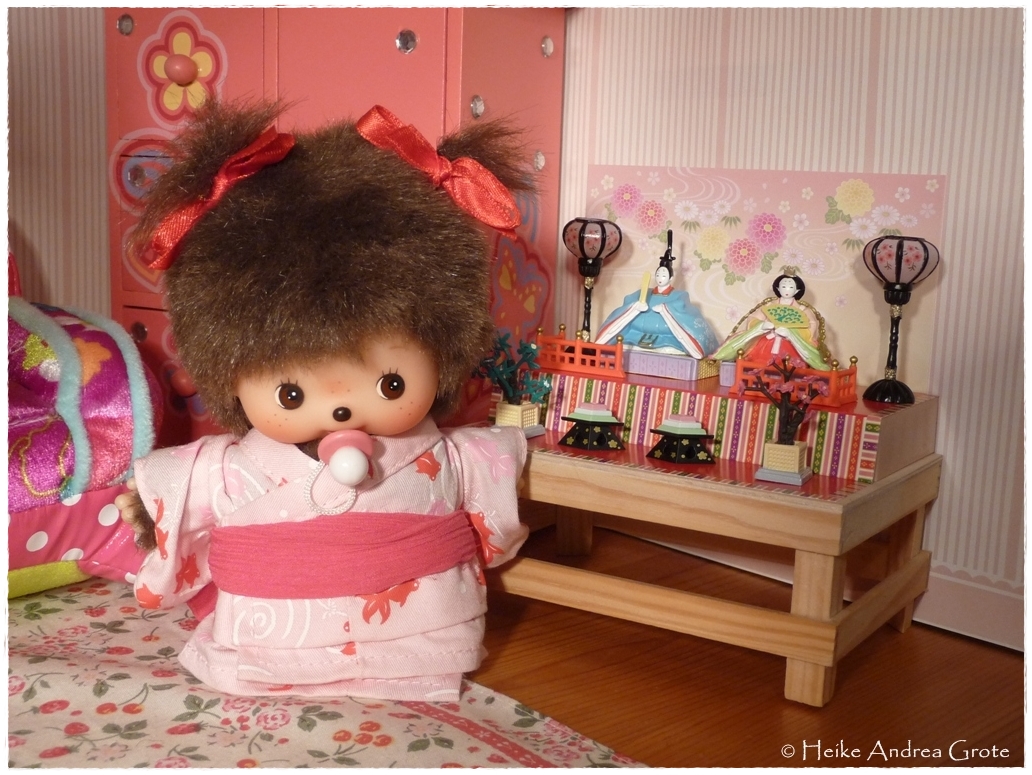
celebrates Hina Matsuri 2014 Bluebelle'sfirst Hina Matsuri decoration.
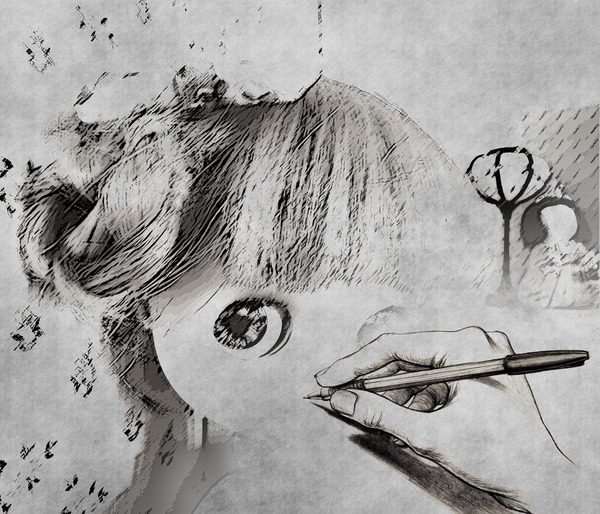
It was such an important day, so that her portrait was painted.
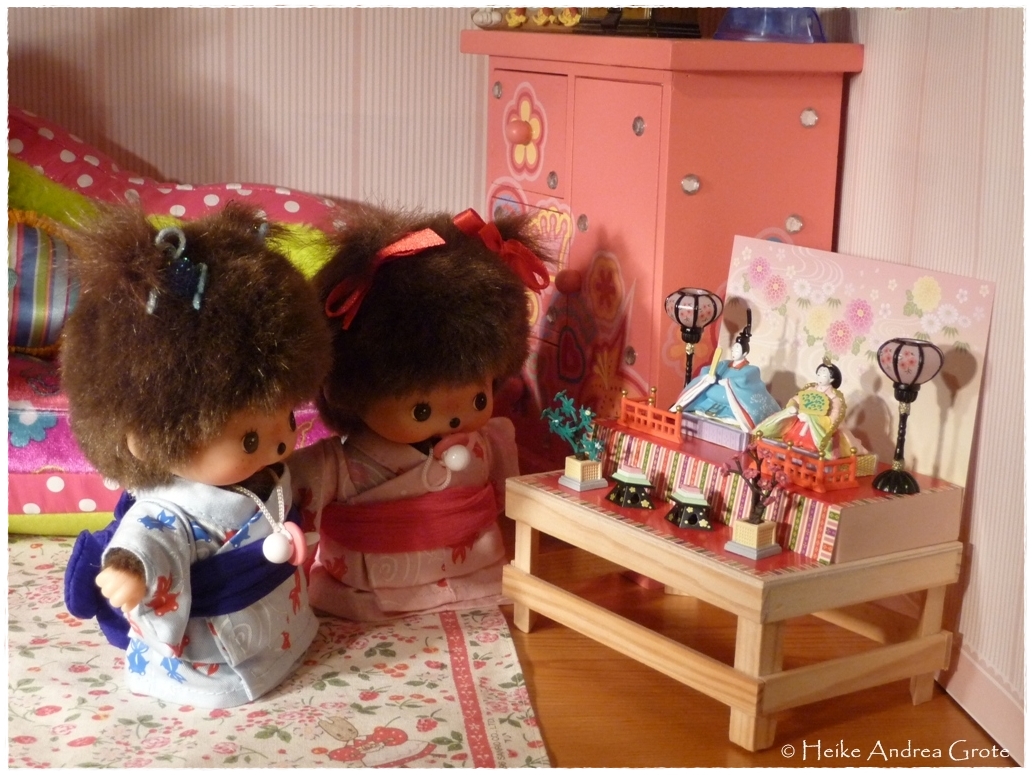
Bluebelle in her new kimono.
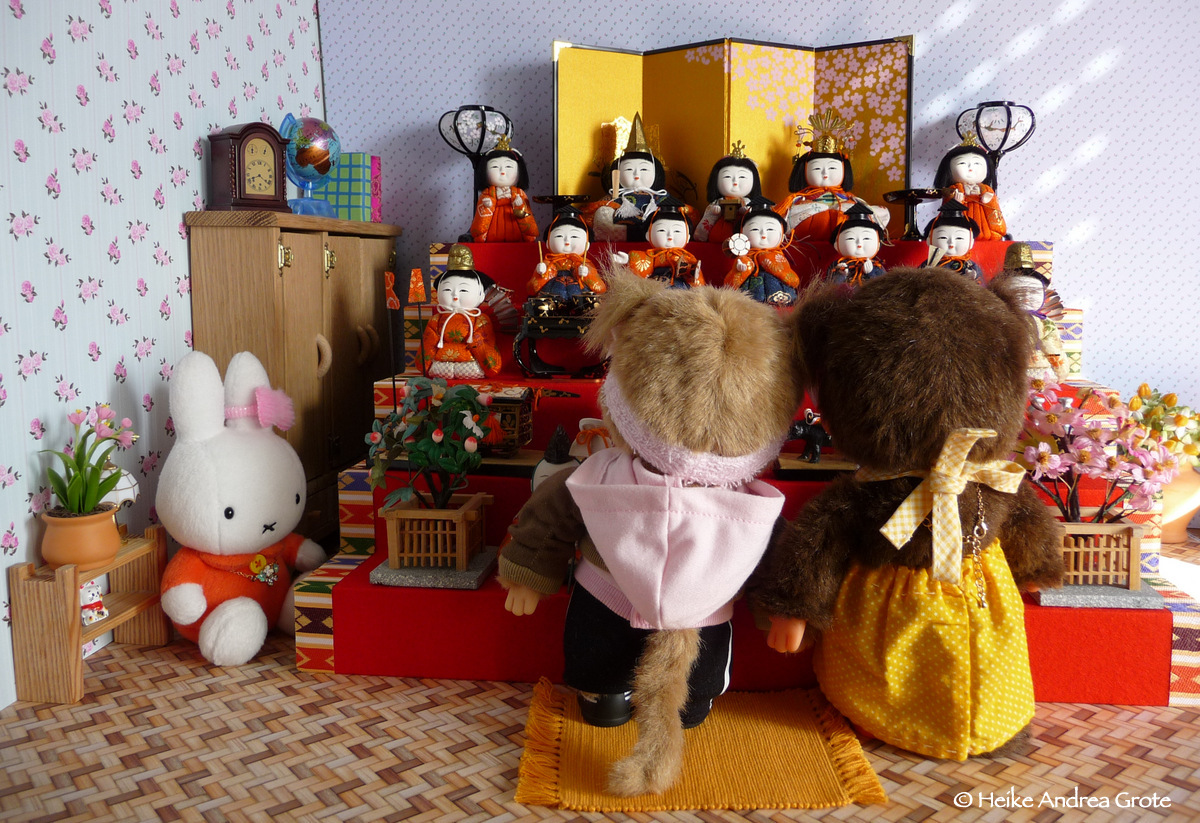
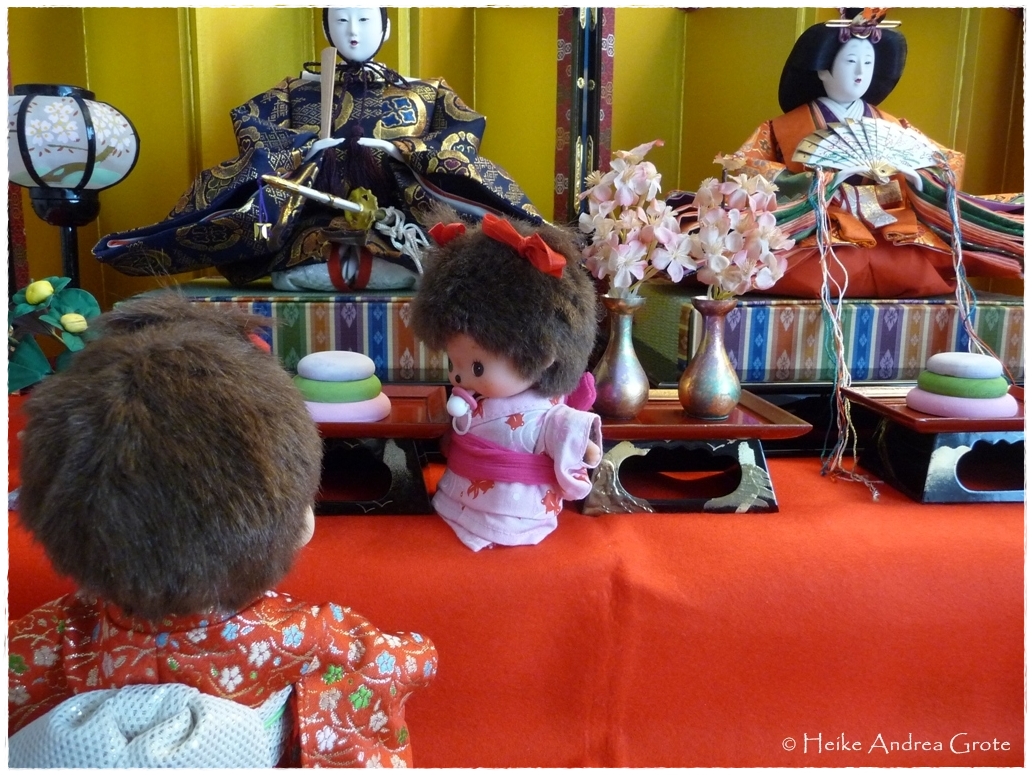
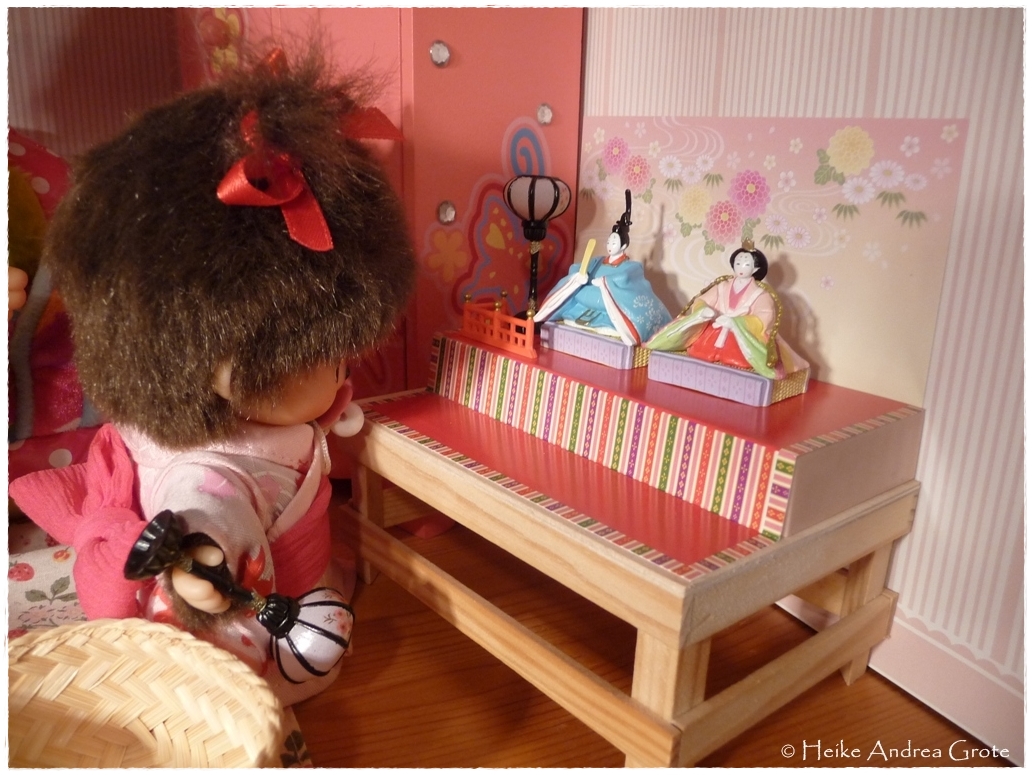
What? I should touch them?
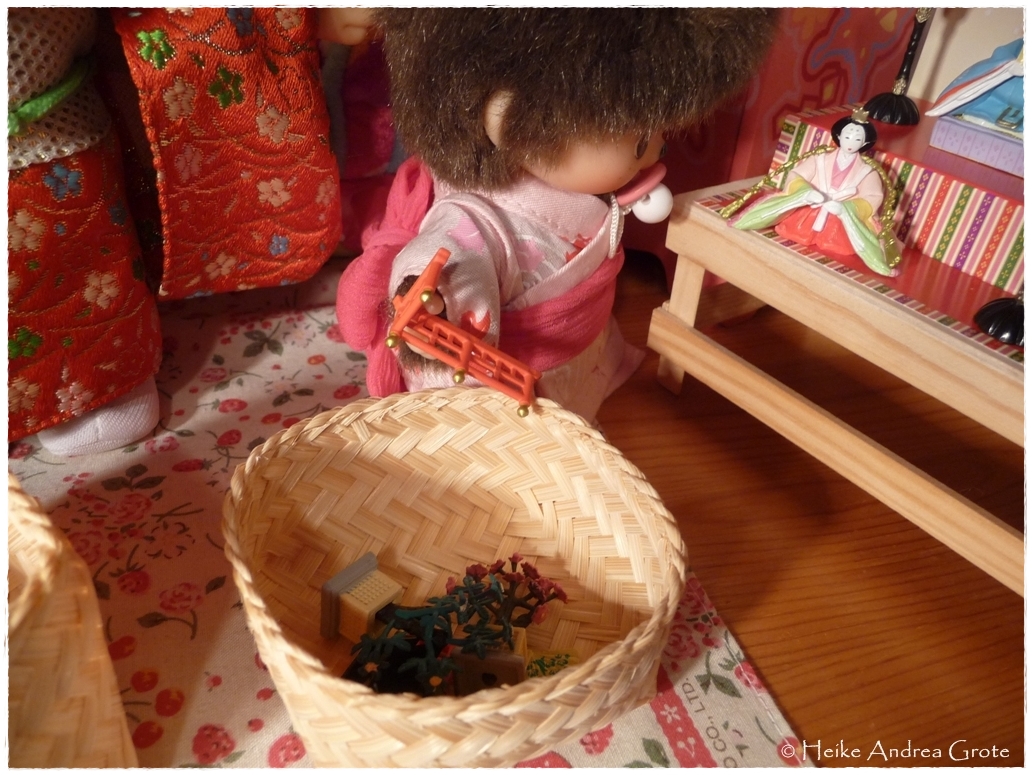
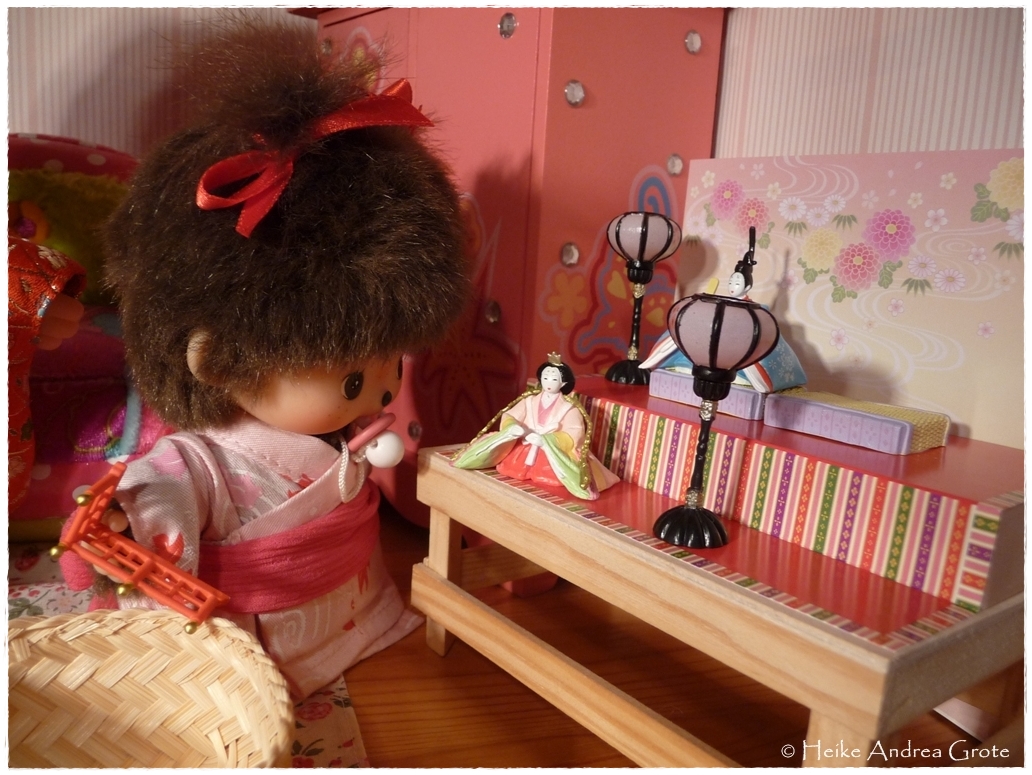
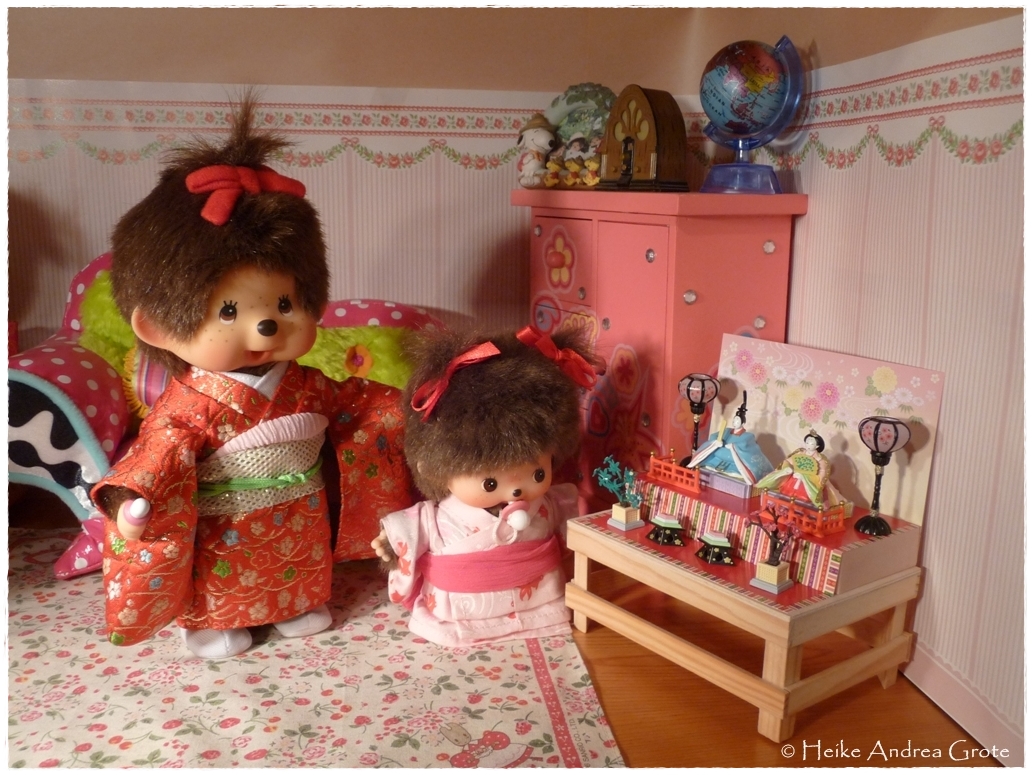
Monchhichi baby girl and Bluebelle try to touch the Kimekomi
dolls.
But they are so worthy, that Bluebelle is a bit shy to put her
hands on them.
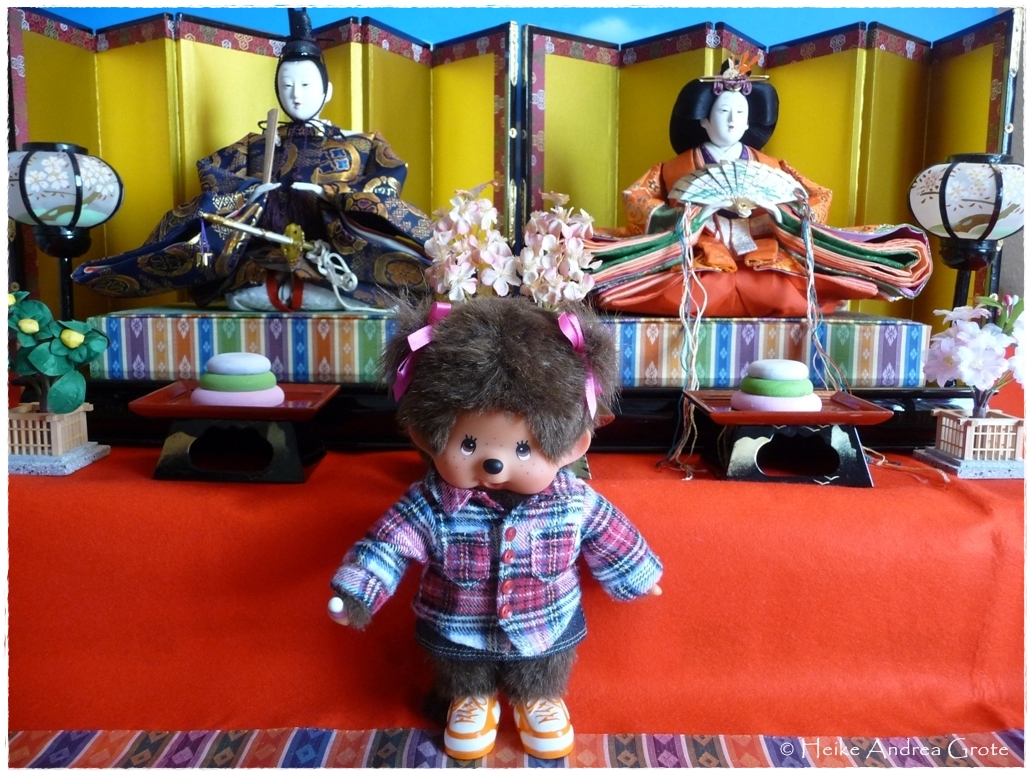
Hina MAtsuri 2013
A
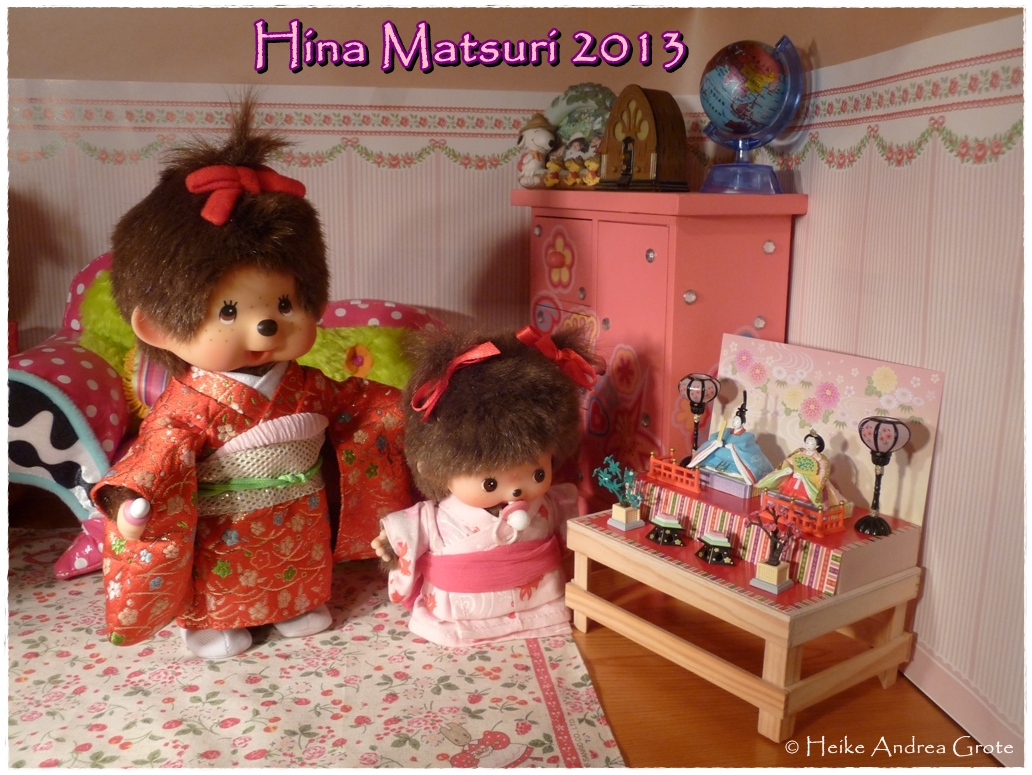
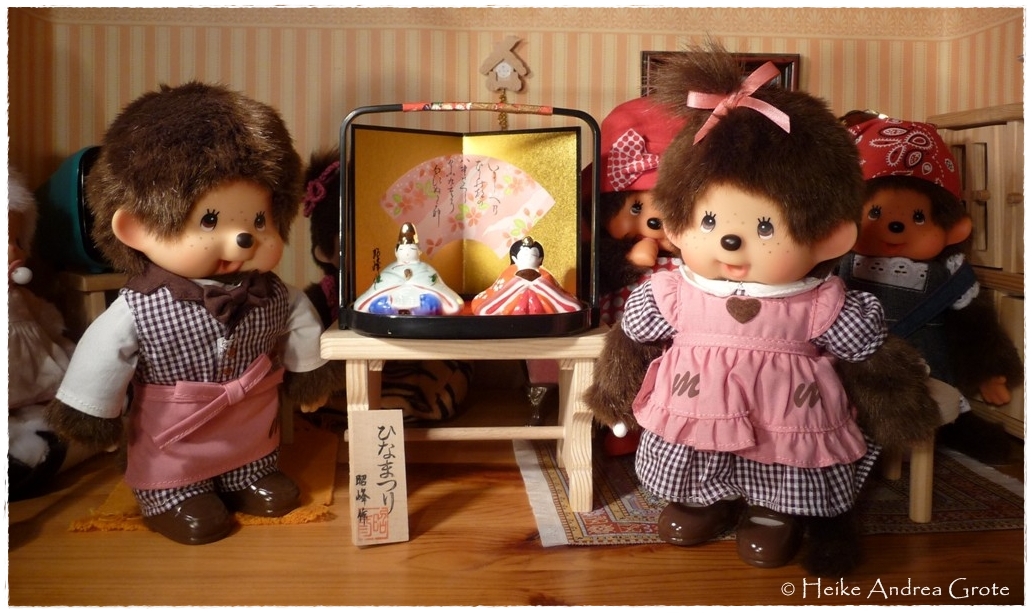
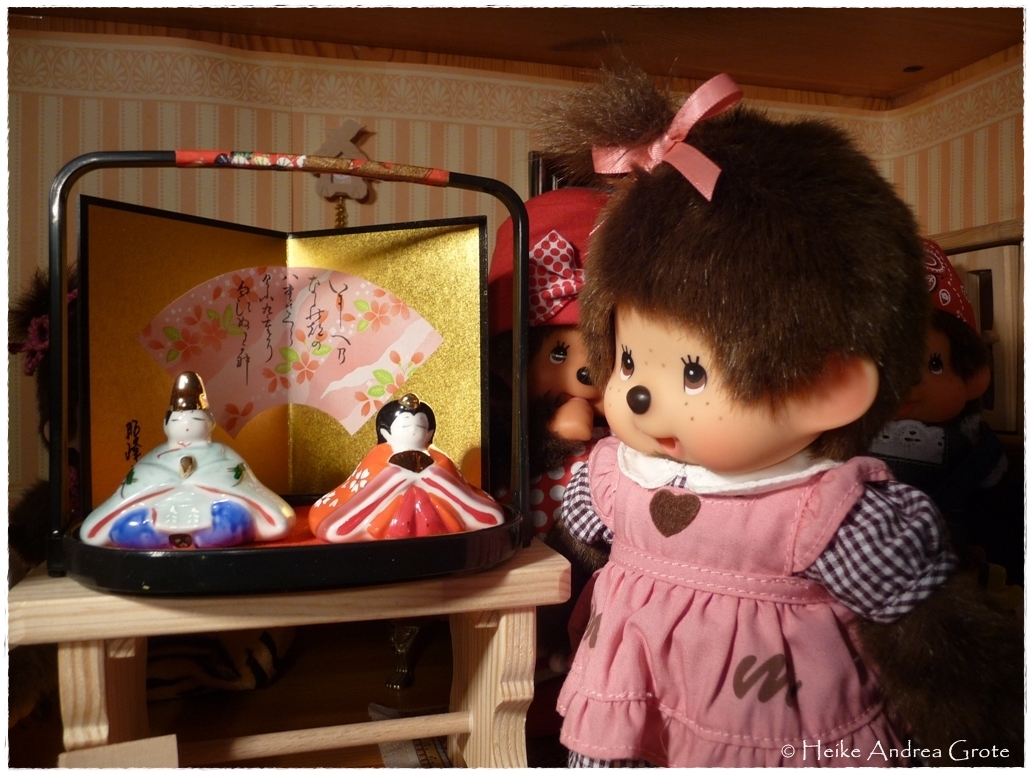
Monchhichi girl and her Hina Matsuri decoration
Today
I
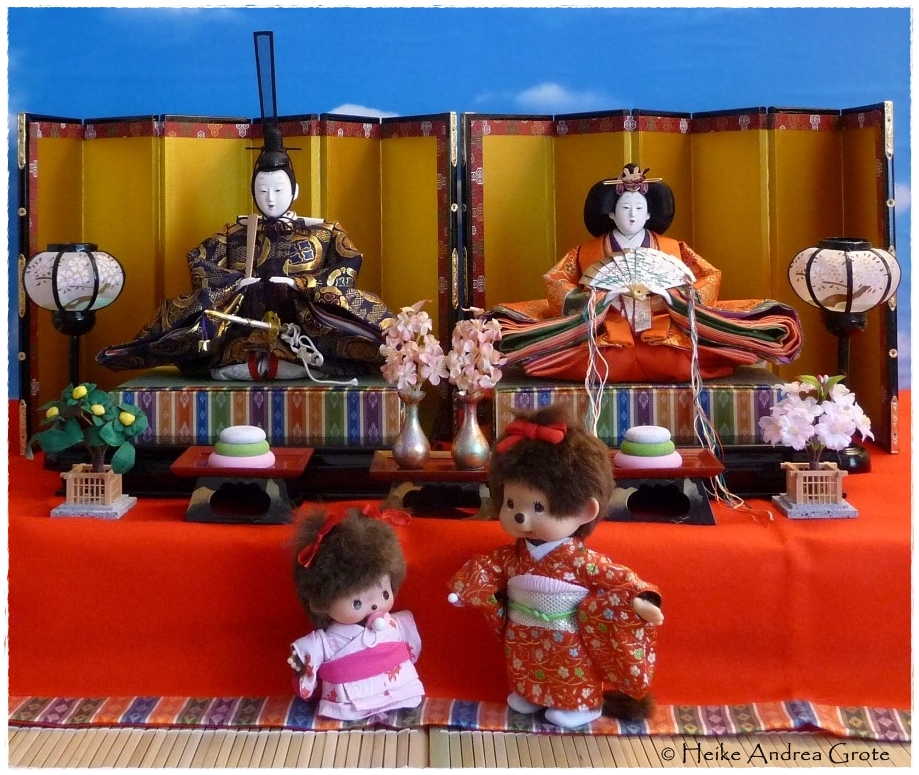
want to show you a real Hina Matsuri decoration.
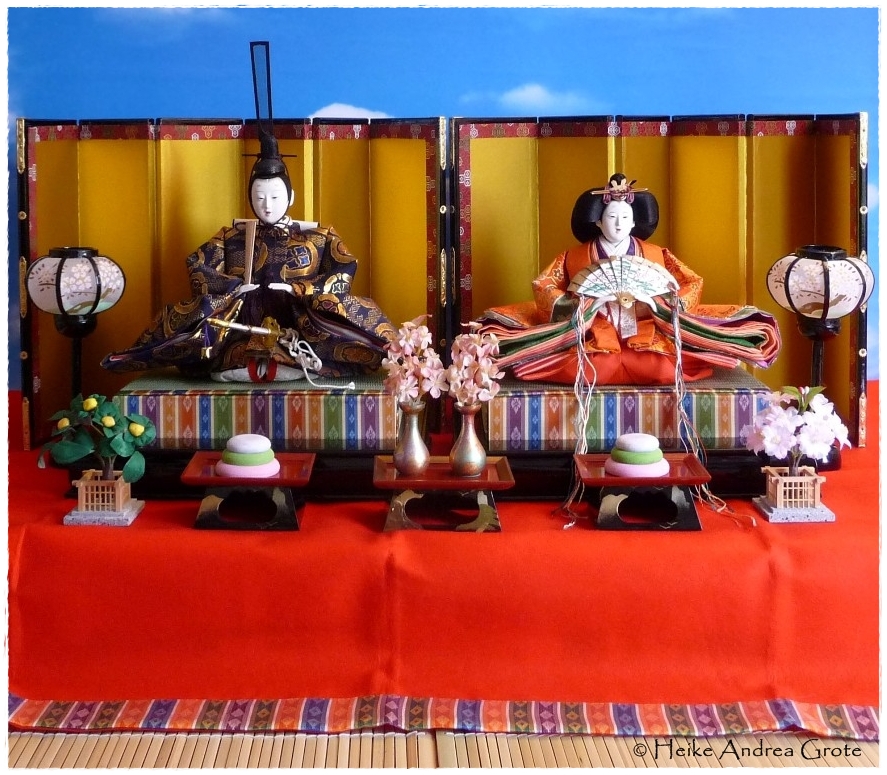
Here
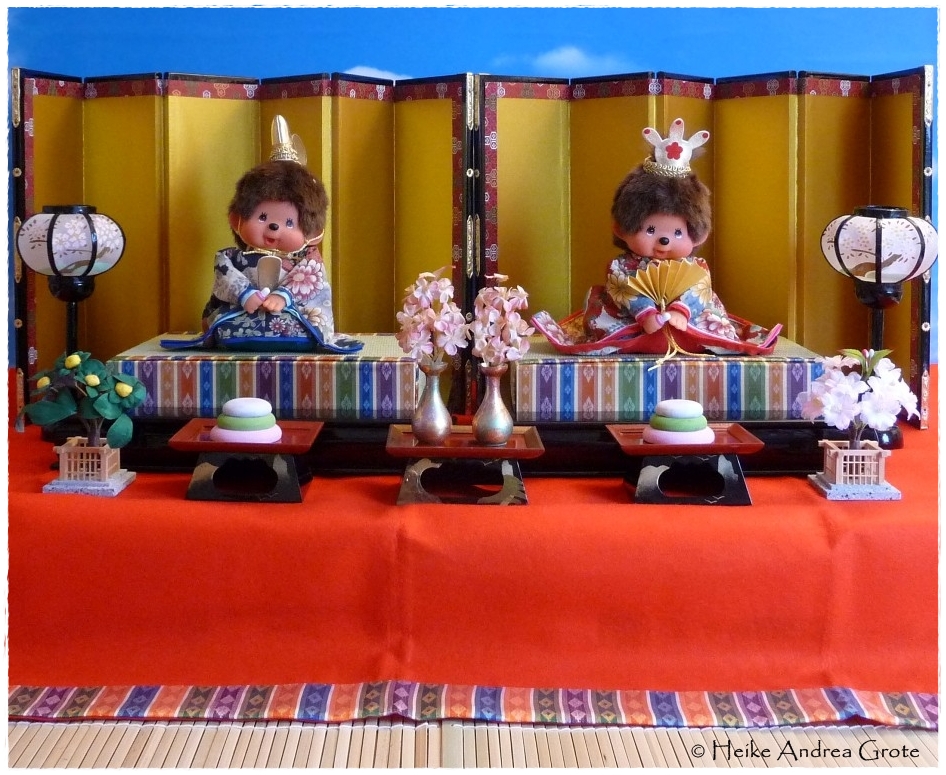
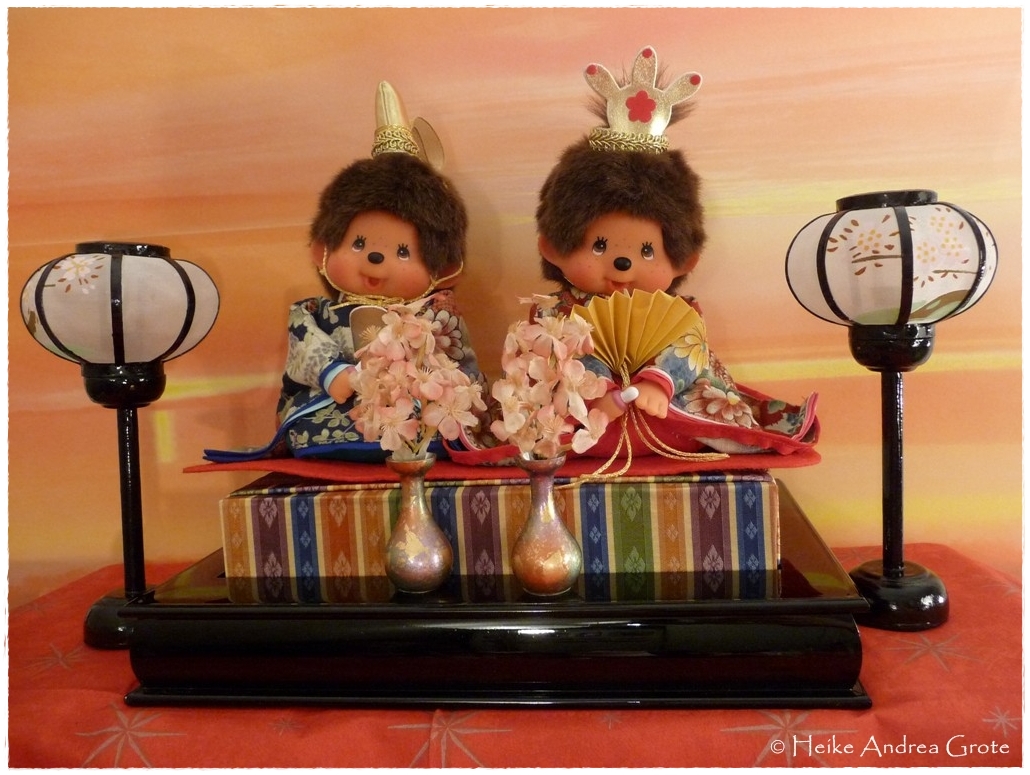
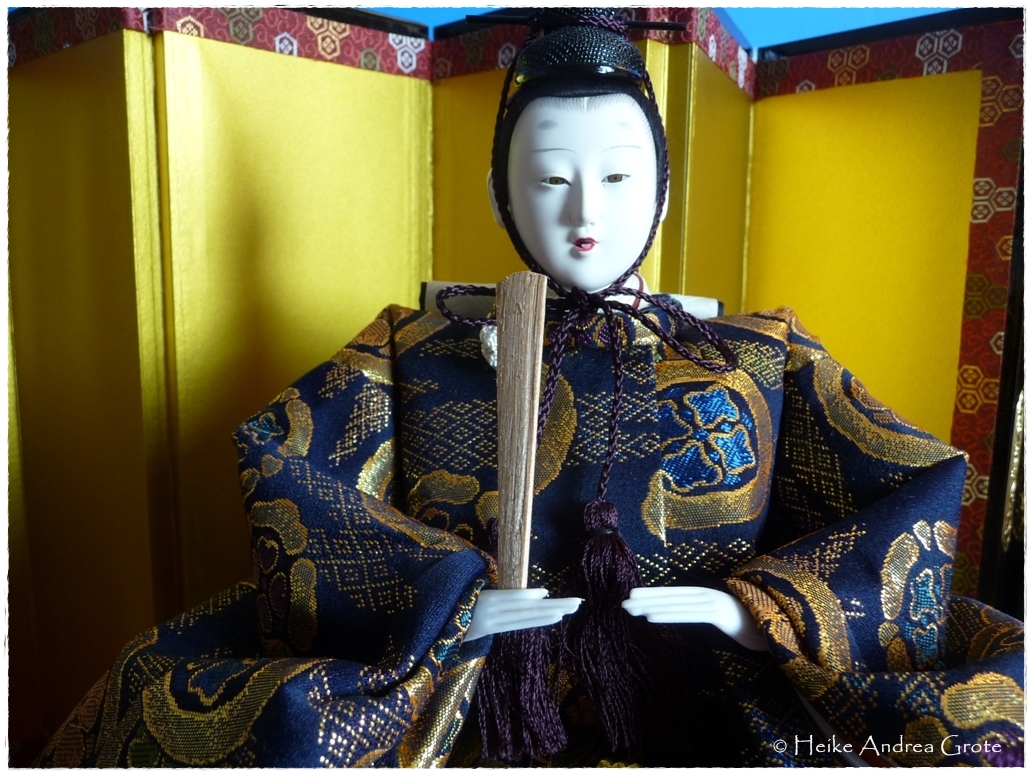
you can see the dolls of the Emperor and the Empress.
It is a display of the first platform. A complete
display could consist of 7 platforms.
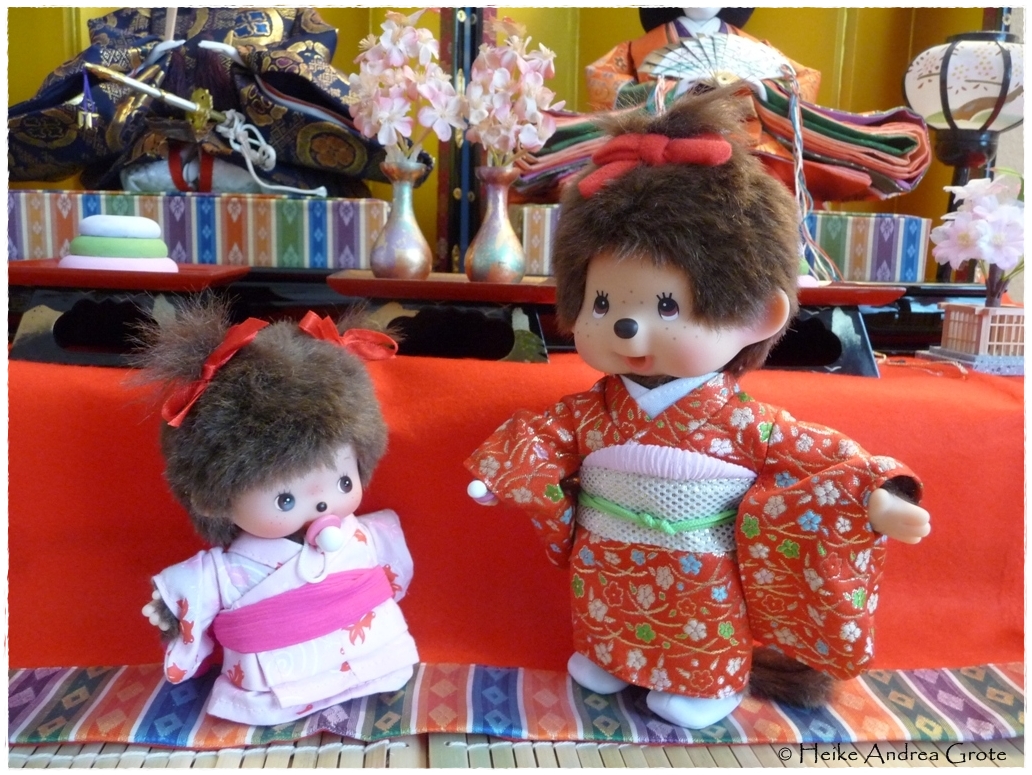
Be
careful !!
She
is so beautiful.
All
the little accessories are so precious!
It
is so fascinating. I want to
arrange my own display, please!
Today
we
arrange the Hina Matsuri decoration,
which you got from your grandparents when you were
born.
Description:
A new born girl seeing her first Hinamatsuri is likely
to receive a gift of Hinaningyo,
a set of special dolls, from her grandparents for this
day.
These dolls are displayed every year by the family
wishing her to grow up in health and in safety.
Take the
different
items out of the storage box,
put them on the table and try to arrange them
carefully.
Yeaaaaah,
my
Hina Matsuri decoration is ready!
Wow,
your Hina Matsuri decoration is so wonderful. Let's play
with the dolls.
Hina Matsuri Monchhichi decoration
2013
I
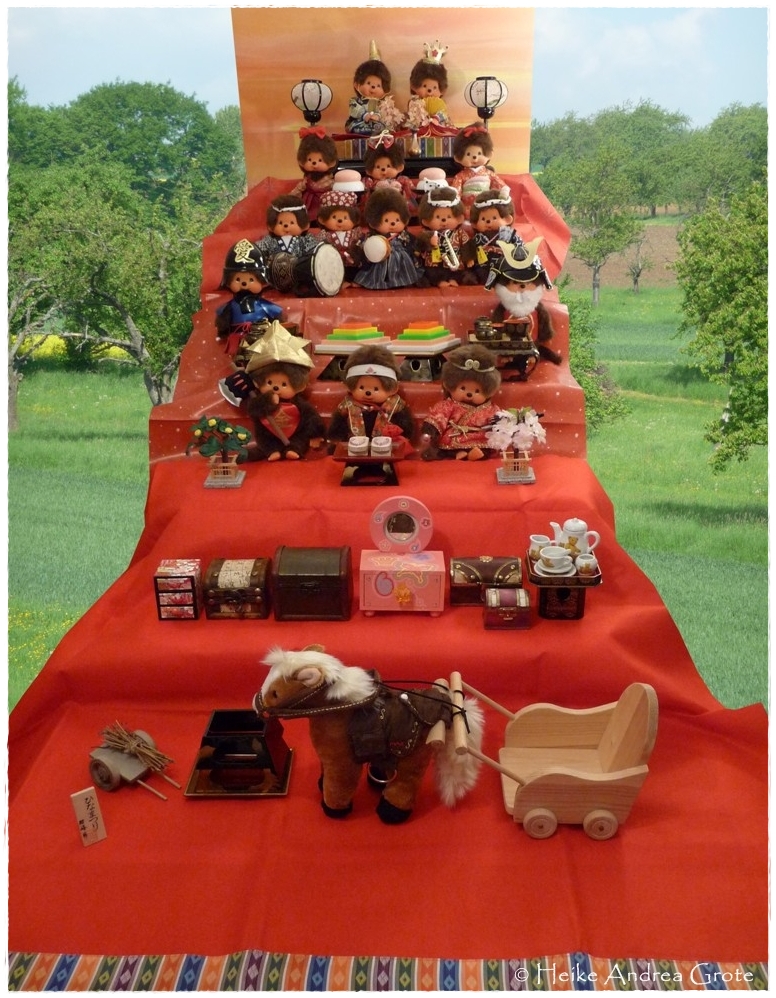
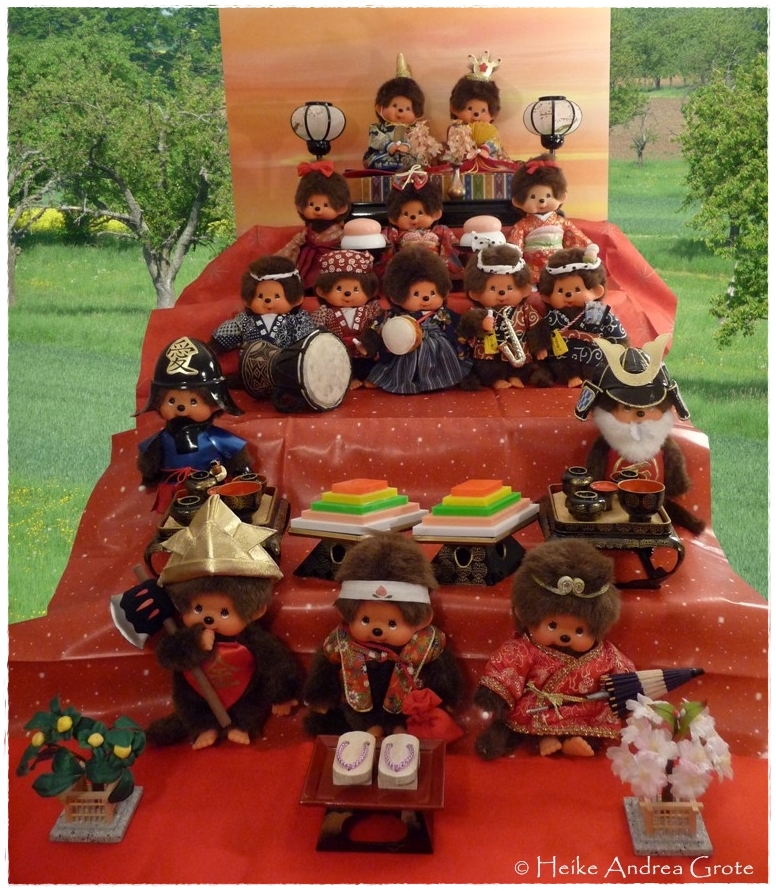
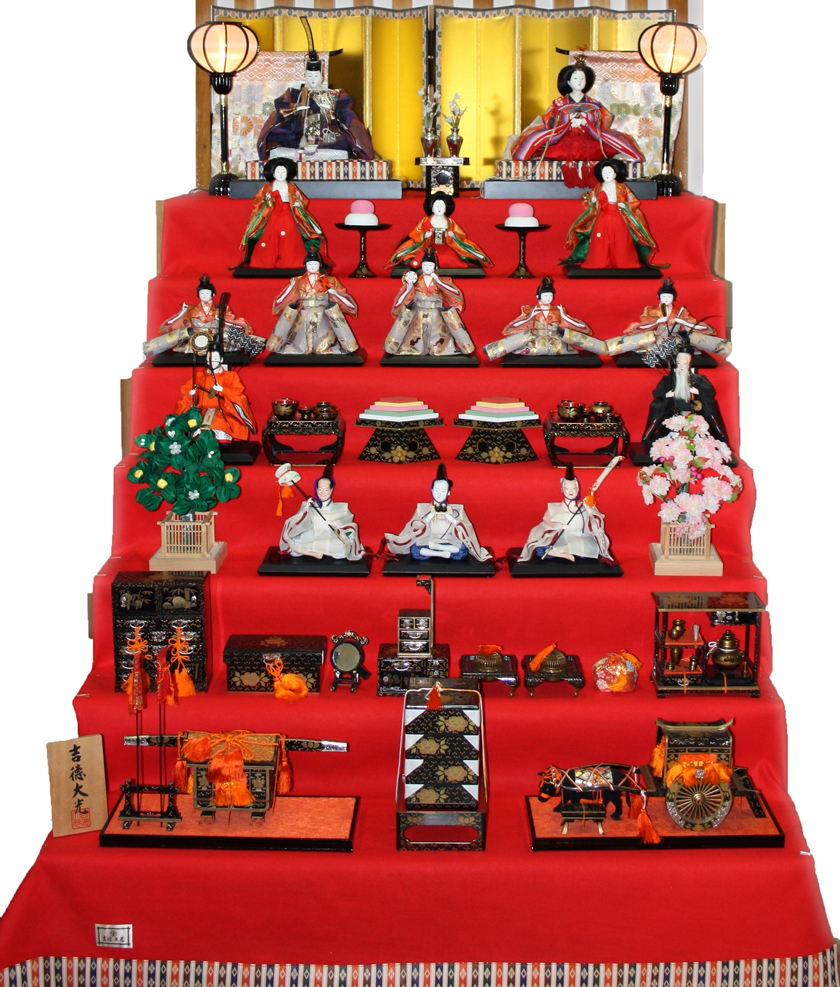
always wanted to arrange a 7 platform Hina Matsuri
decoration out of Monchhichis.
I try to arrange the whole decoration as much as
possible true to the original japanese arrangement
rules,
but I do not have always the exact costumes or
accessories.
I
display some of my Monchhichis like Japanese girls do
it at their Hina Matsuri day.
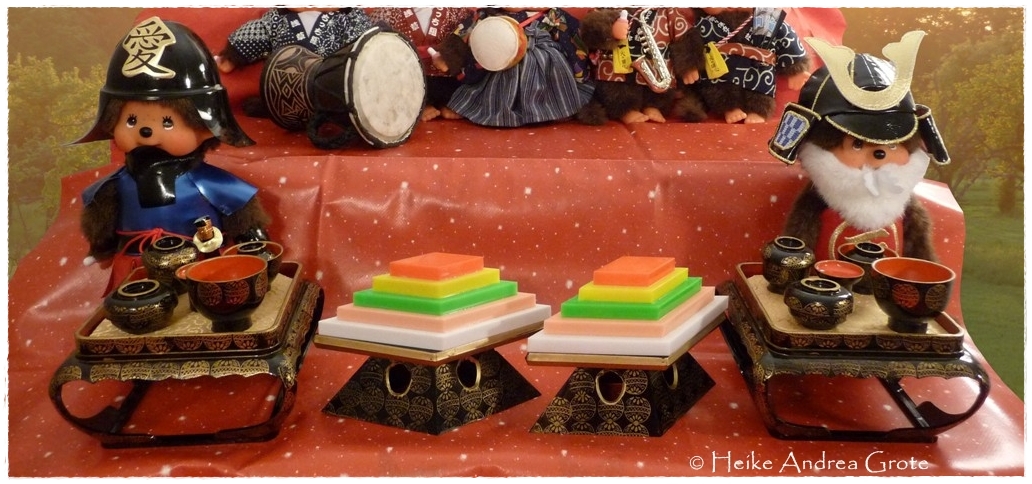
The dolls represent the Emperor and Empress, the court
ladies, the musicians, the ministers and the
attendants.
A set of Hina-dolls usually consists of at least 15
dolls, all in ancient costumes.
First platform
The
top tier holds two dolls, known as imperial dolls (内裏雛
(だいりびな), dairi-bina).
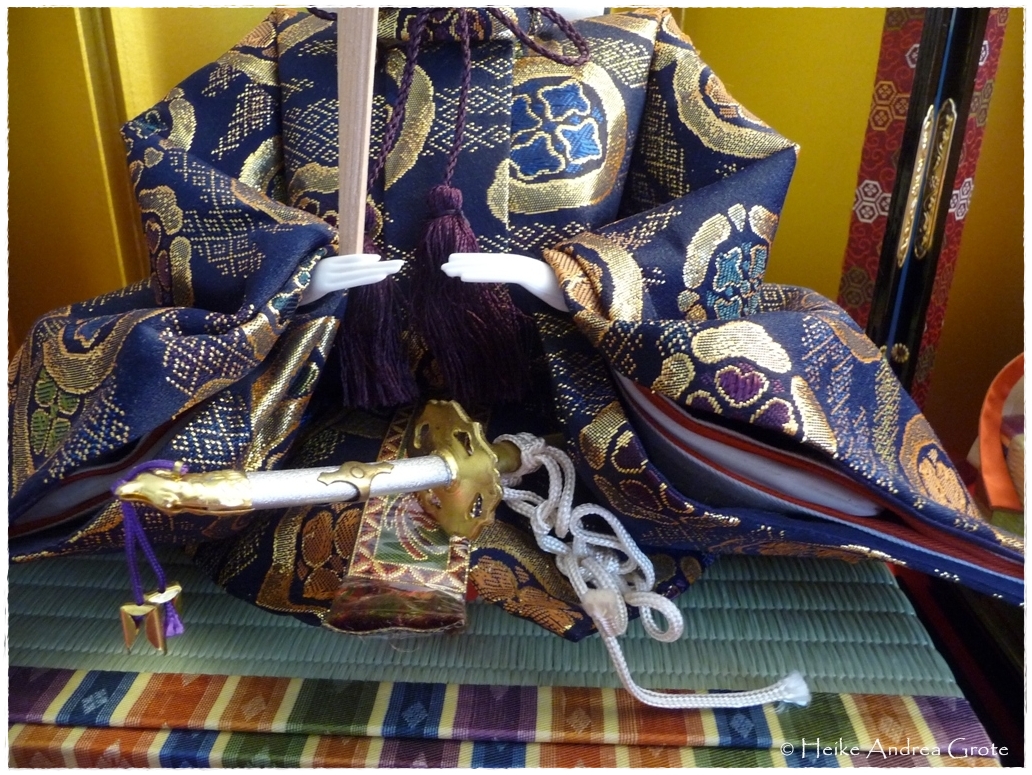
These are the Emperor (御内裏様, Odairi-sama) holding a
ritual baton (笏, shaku) and sword
and Empress (御雛様, Ohime-sama) holding a fan.
The words dairi means "imperial palace", and hime
means "girl" or "princess".
The dolls are usually placed in front of a gold
folding screen byōbu (屏風) and placed beside green
Japanese garden trees.
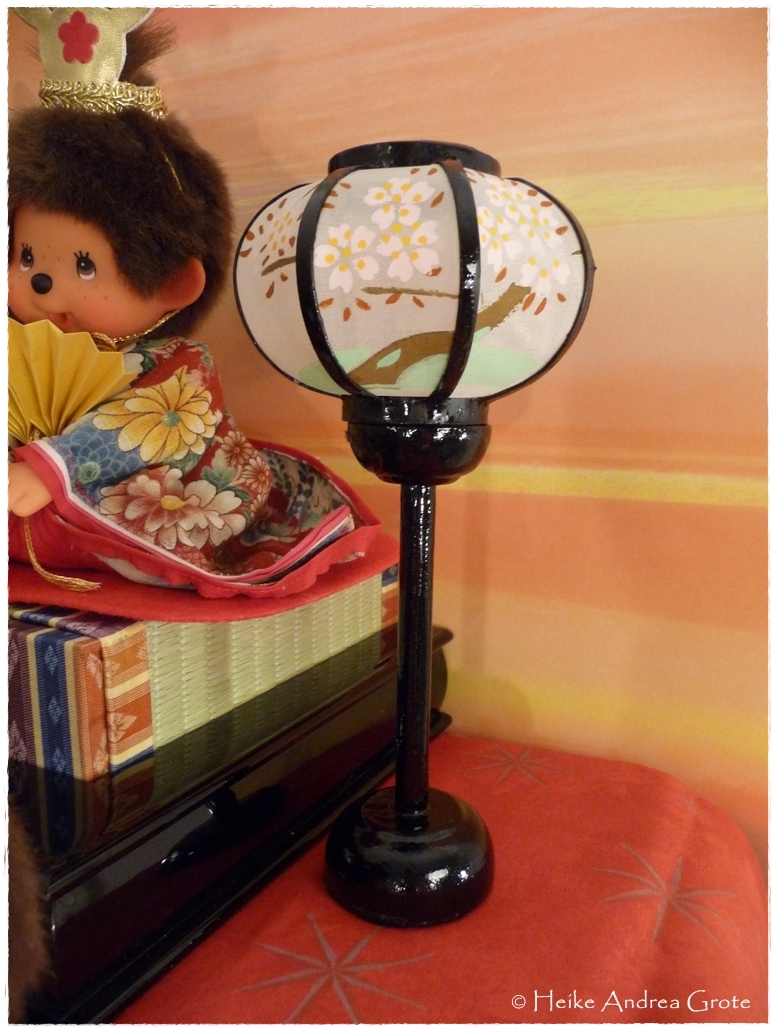
Optional are the two lampstands, called bonbori (雪洞),
and the paper or silk lanterns that are known as
hibukuro (火袋),
which are usually decorated with cherry or ume blossom
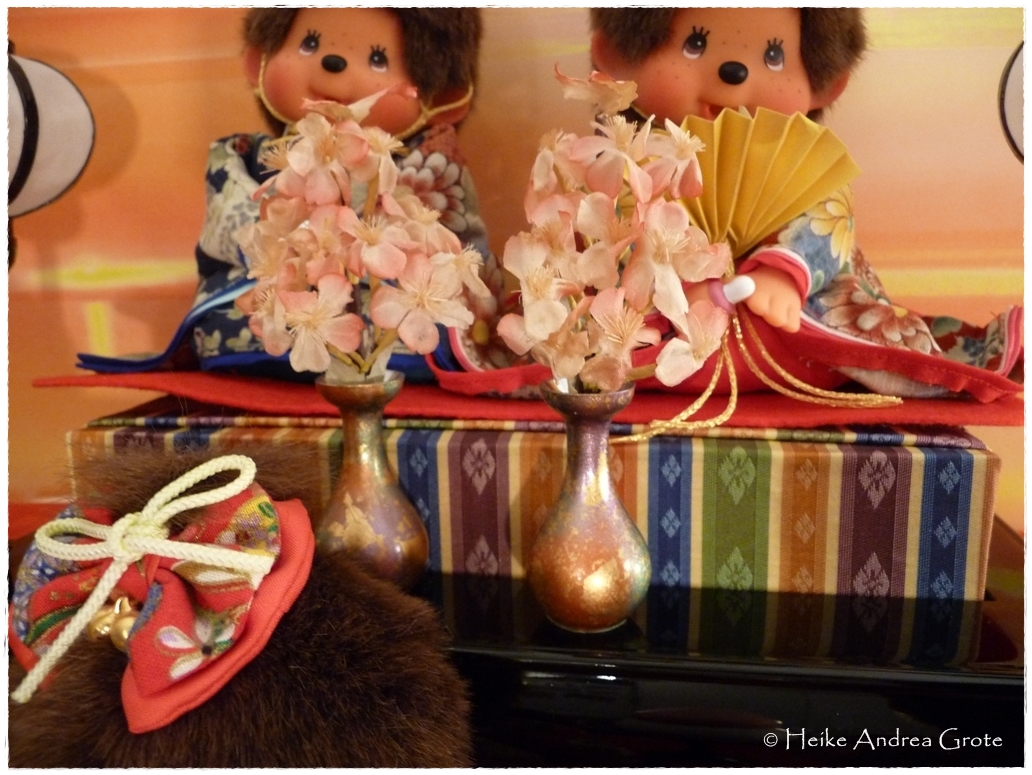
patterns. Complete sets would include accessories
placed between the two figures, known as sanbō kazari
(三方飾), composing of two vases of artificial peach
branch kuchibana (口花).
The traditional arrangement had the male on the right,
while modern arrangements had him on the left (from
the viewer's perspective).
Bonbori
Second Platform
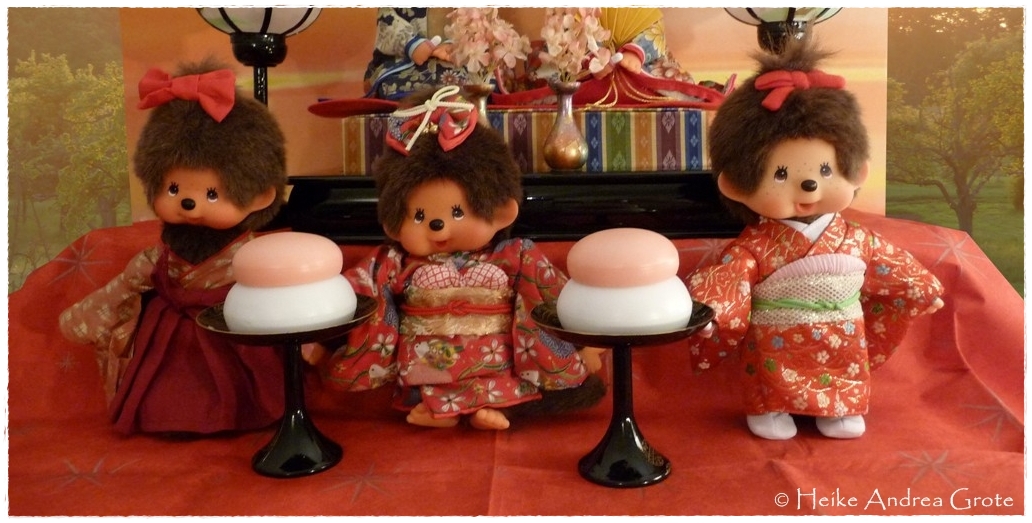
The
second tier holds three court ladies san-nin kanjo
(三人官女). Each holds sake equipment.
From the viewer's perspective, the standing lady on
the right is the long-handled sake-bearer Nagae no
chōshi (長柄の銚子),
the standing lady on the left is the backup
sake-bearer Kuwae no chōshi (加えの銚子)
and the only lady in the middle is the seated sake
bearer Sanpō (三方).
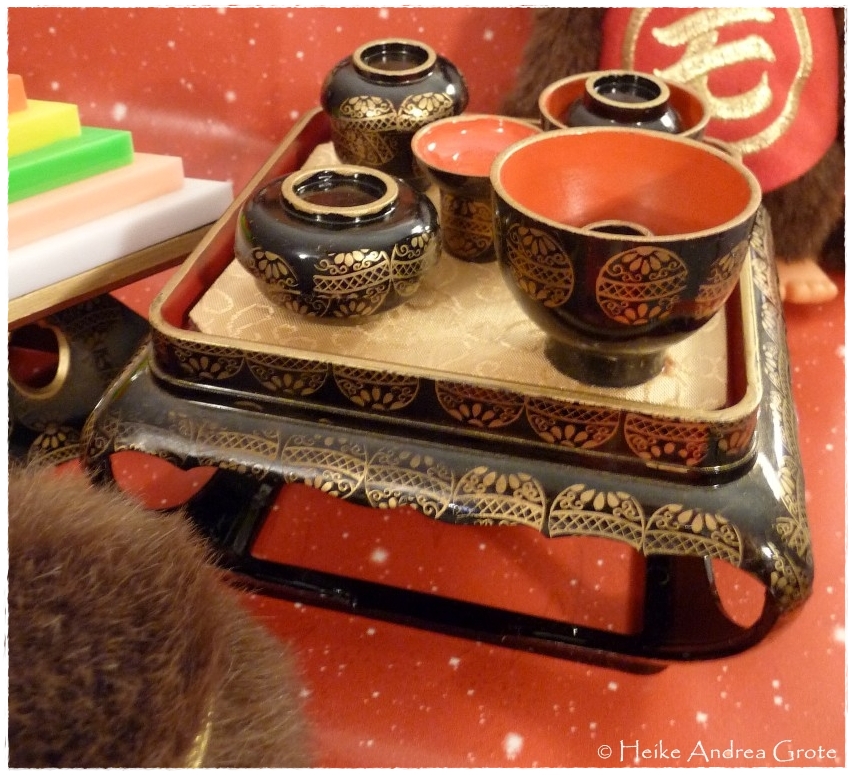
Accessories placed between the ladies are takatsuki
(高坏), stands with round table-tops for seasonal
sweets, excluding hishimochi.
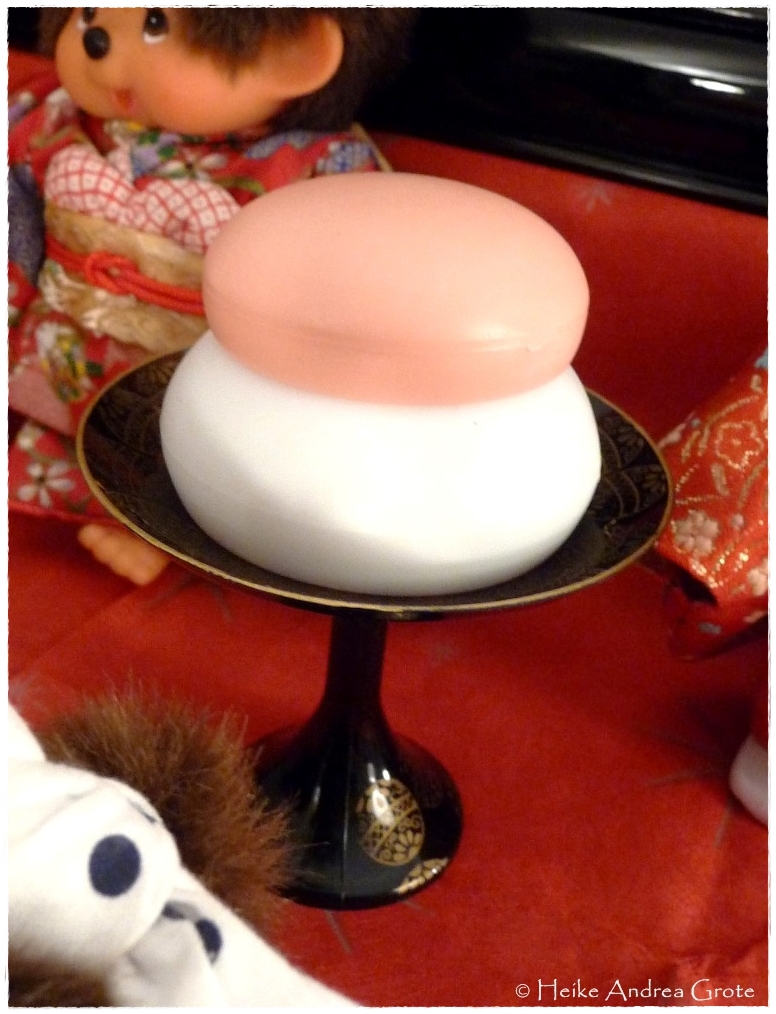
Omochi
(seasonal
sweet candy)
Third platform
'
The
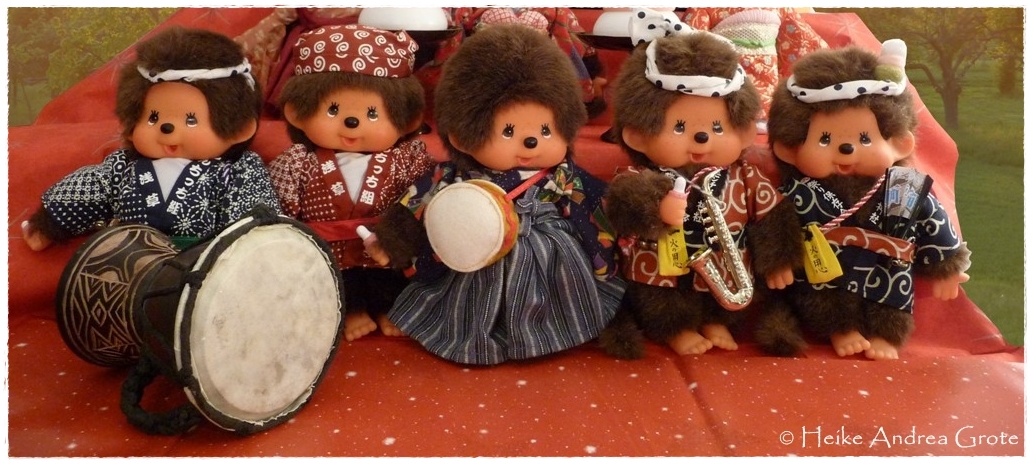
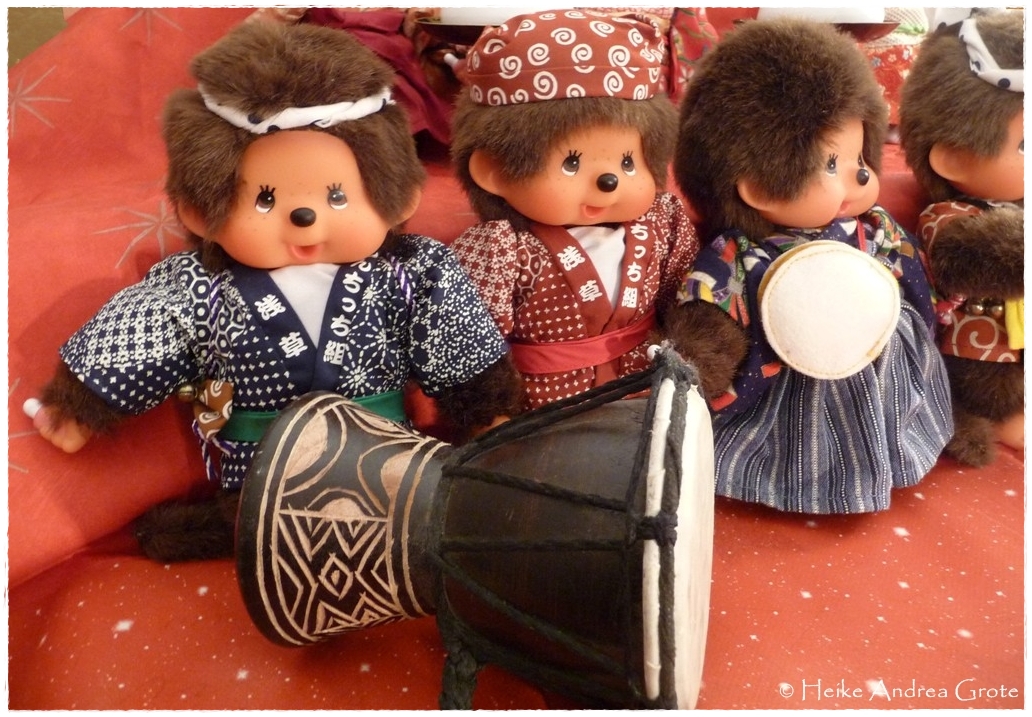
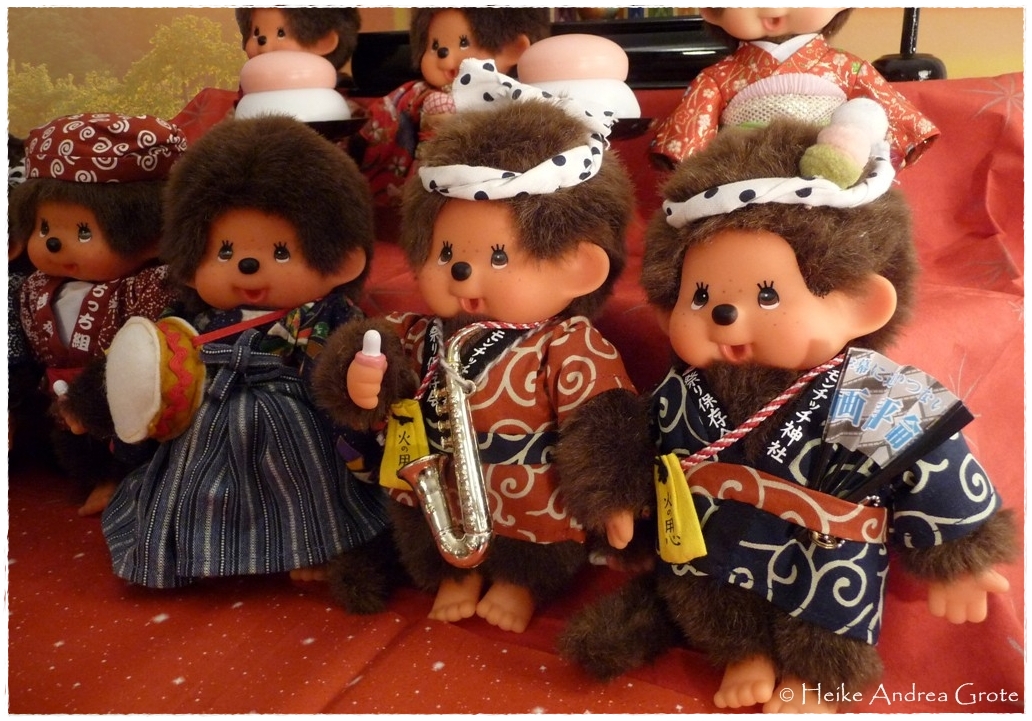
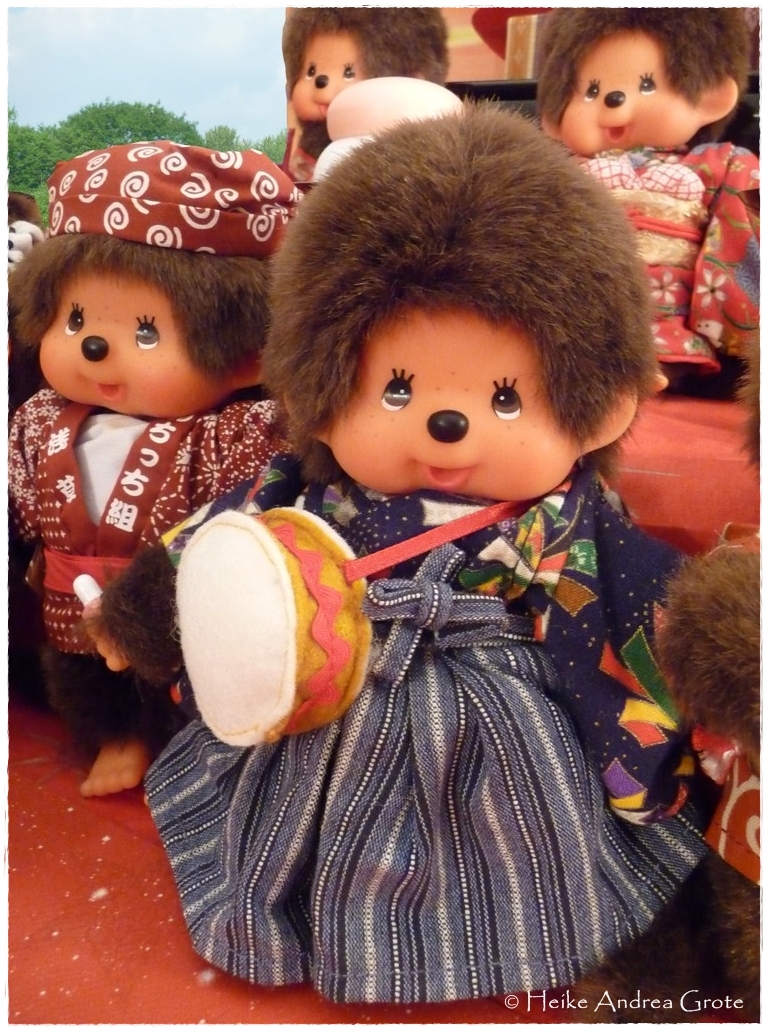
third tier holds five male musicians gonin bayashi
(五人囃子).
Each holds a musical instrument except the singer, who
holds a fan. Left to right, from viewer's perspective,
they are the:
1. Small drum Taiko (太鼓), seated
2. Large drum Ōtsuzumi (大鼓), standing
3. Hand drum Kotsuzumi (小鼓), standing
4. Flute Fue (笛), or Yokobue (横笛), seated
5. Singer Utaikata (謡い方), holding a folding fan sensu
(扇子), standing.
Fourth Platform
Two
ministers (daijin) are displayed on the fourth tier:
the Minister of the Right (右大臣, Udaijin) and the
Minister of the Left (左大臣, Sadaijin).
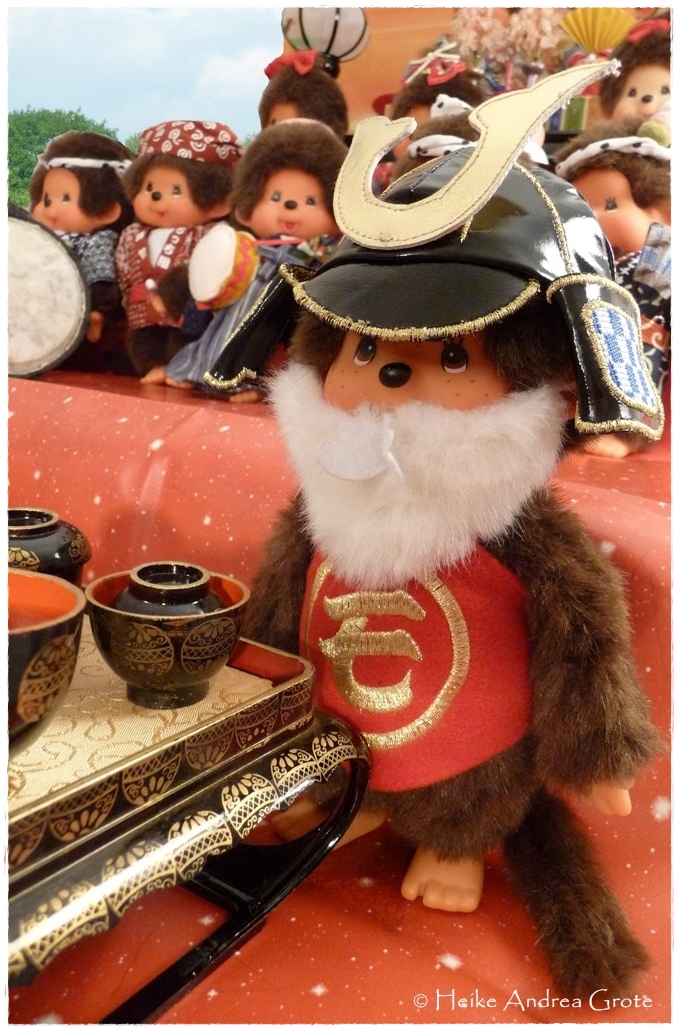
The Minister of the Right is depicted as a young
person, while the Minister of the Left is much older.
Also, because the dolls are placed in positions
relative to each other,
the Minister of the Right will be on the viewer's left
and the Minister of the Left will be on the viewer's
right.
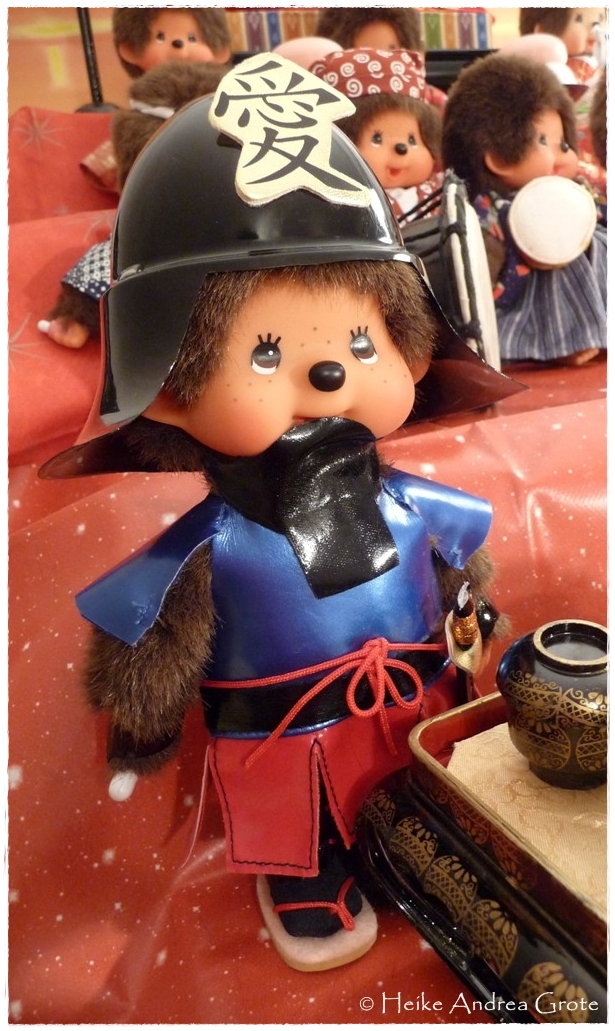
Both are sometimes equipped with bows and arrows.
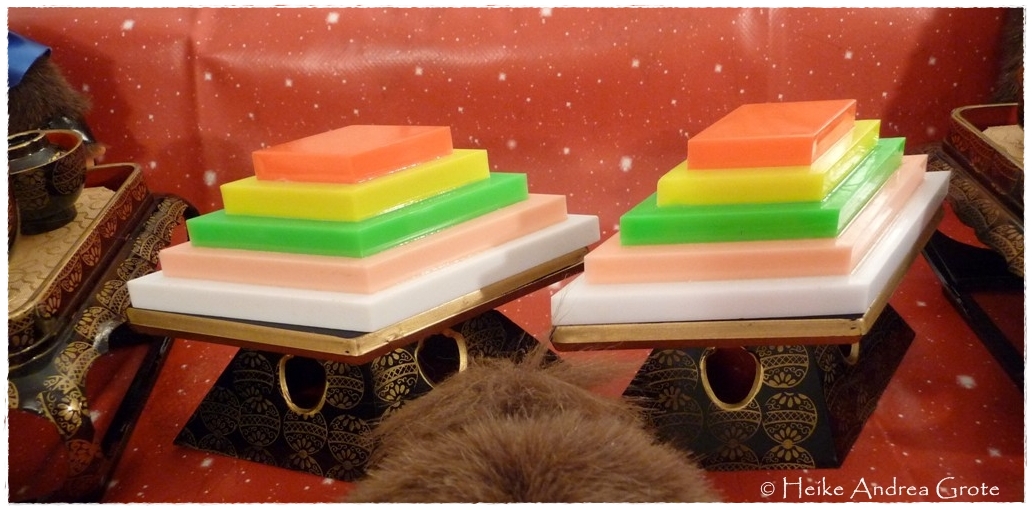
Between the two figures are covered bowl tables
kakebanzen (掛盤膳),
also referred to as o-zen (お膳), as well as
diamond-shaped stands hishidai (菱台) bearing
diamond-shaped ricecakes hishimochi (菱餅). Hishidai
with feline-shaped legs are known as nekoashigata
hishidai (猫足形菱台).
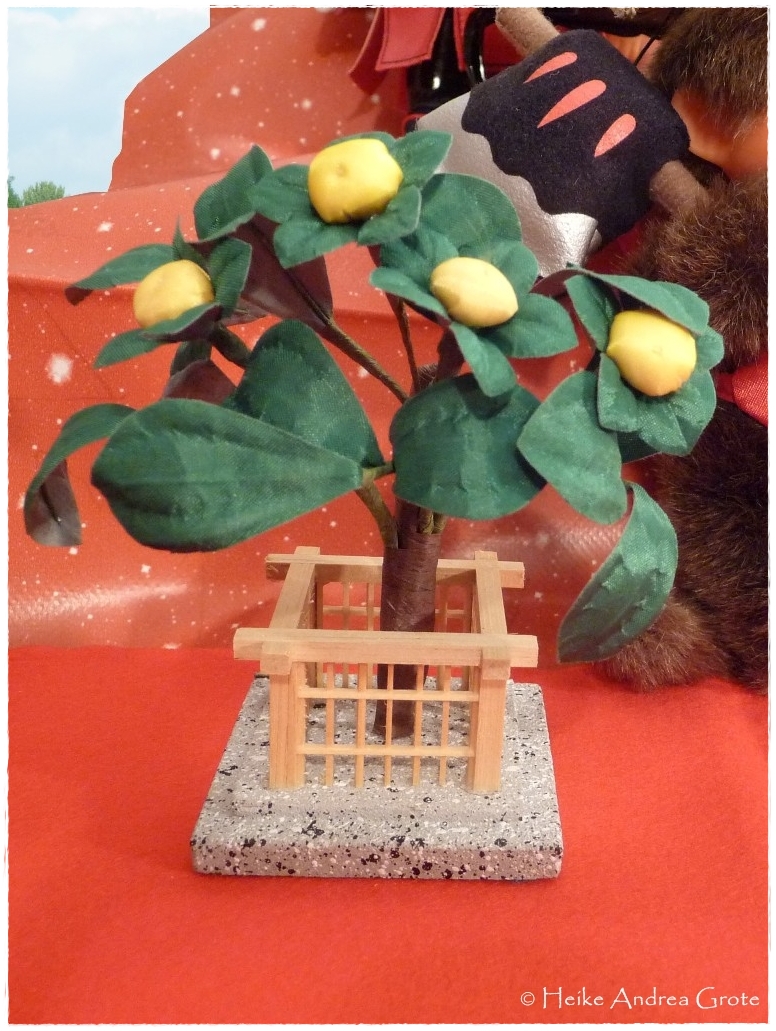
Just below the ministers: on the rightmost, a mandarin
orange tree Ukon no tachibana (右近の橘),
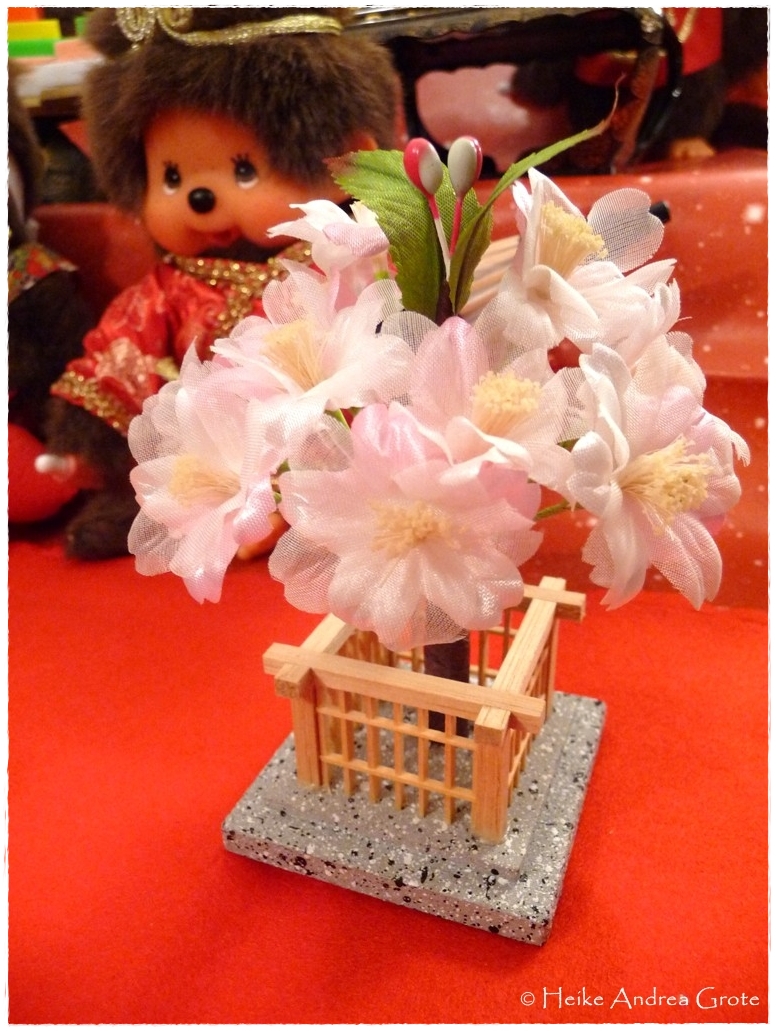
and on the leftmost, a cherry blossom tree Sakon no
sakura (左近の桜). Sometimes there are two tray tables (お膳
ozen or 膳 zen) between them.
The fifth tier, between the plants,
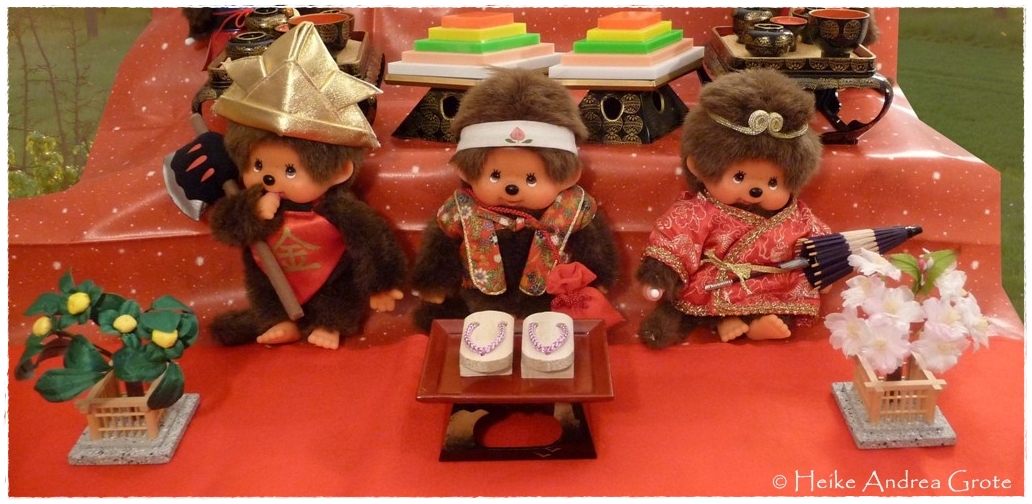
holds three attendants (仕丁jichô, shichô, shitei), also named “the
three attendants” ( 三人仕丁 sannin jichô) or
gate guards (衛士 eji ), also named the “three gate guards” (
三人衛士 (sannin eji ) or
samurai as the protectors of the Emperor and Empress.
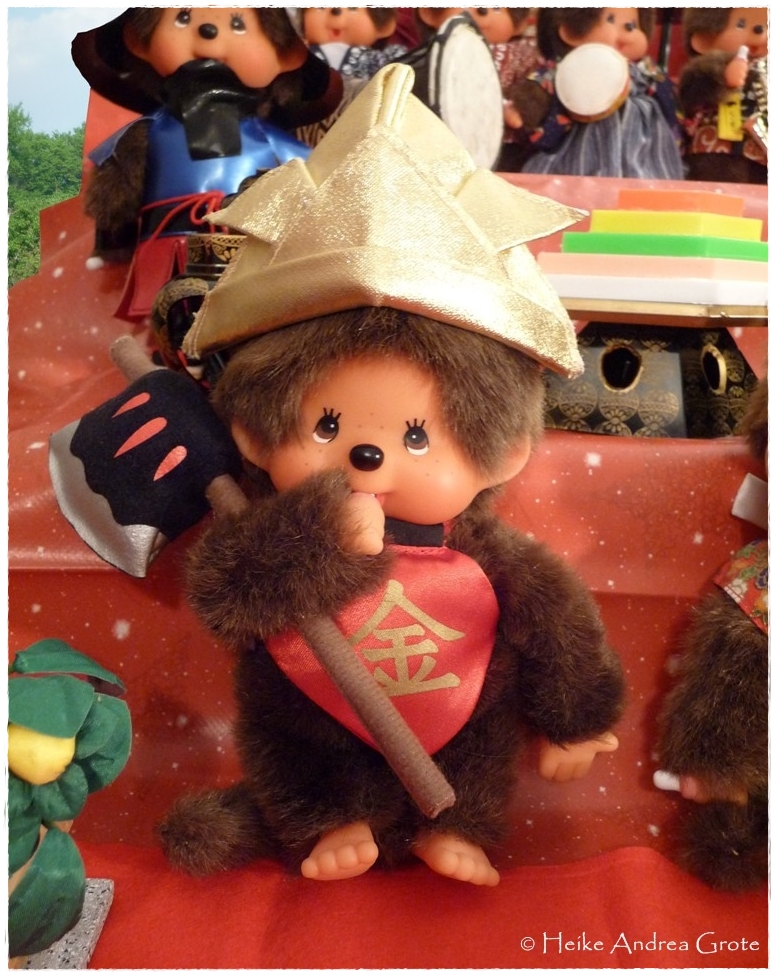
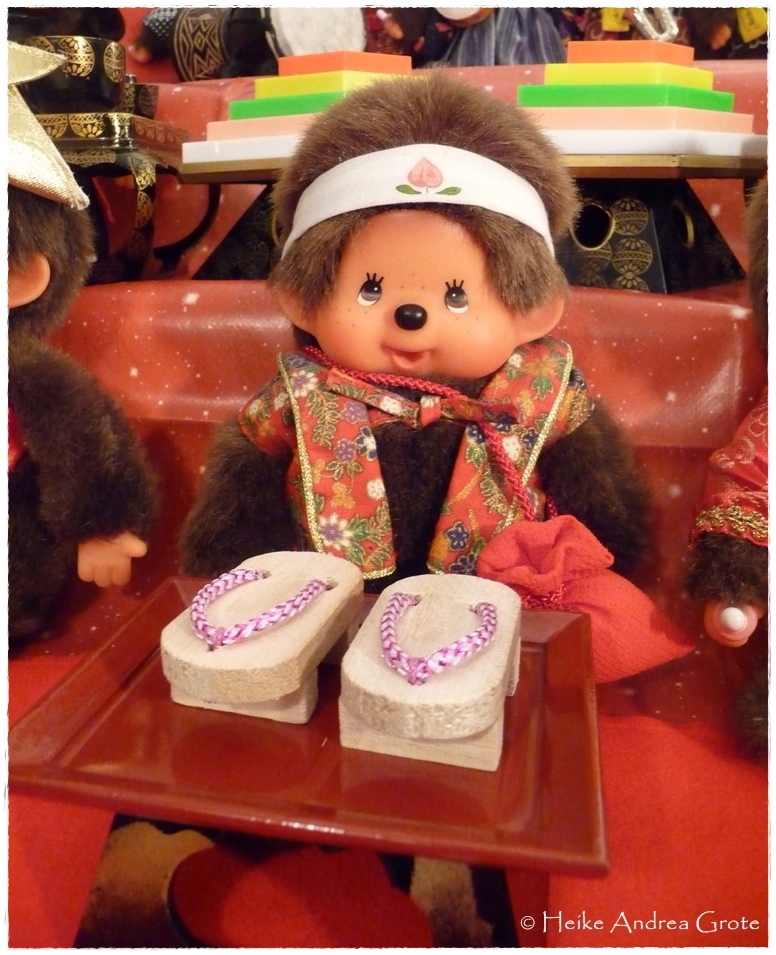
From left to right (viewer's
perspective): 1. Maudlin drinker nakijōgo
(泣き上戸). He holds a stand umbrella ( 台笠 dai-gasa). 2. Cantankerous drinker
okorijōgo (怒り上戸). He holds a shoe stand ( 沓台 kutsu dai). 3. Merry drinker waraijōgo
(笑い上戸). He holds a another umbrella ( 立傘 tategasa, tatekasa). Sometimes there are two tray
tables (お膳 ozen or 膳 zen) between them.
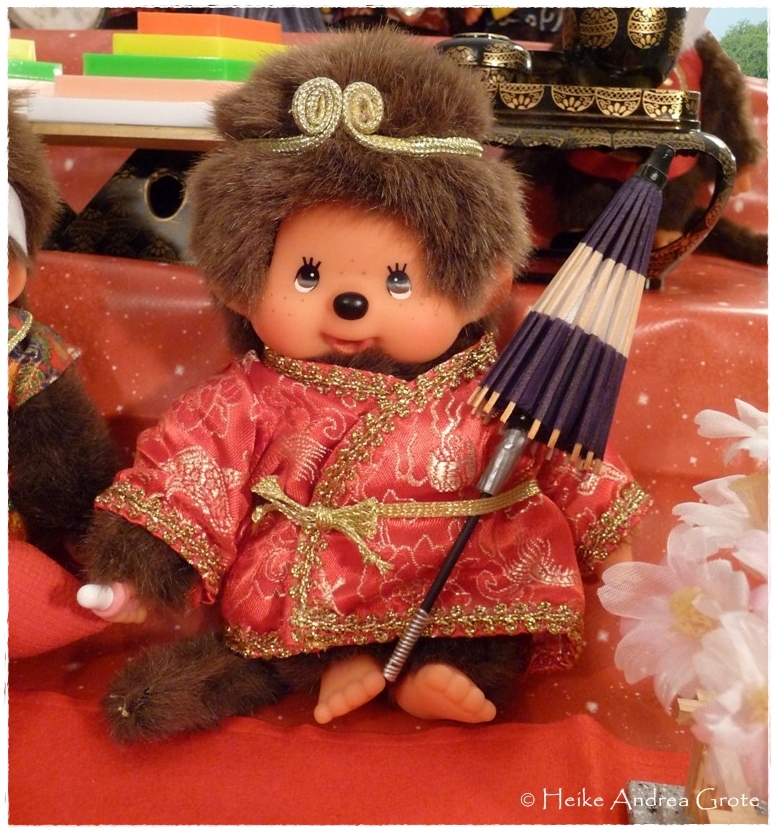
Maudlin
drinker nakijōgo (泣き上戸).
He holds a stand umbrella ( 台笠 dai-gasa).
Cantankerous
drinker okorijōgo (怒り上戸).
He holds a shoe stand ( 沓台 kutsu dai).
Merry
drinker waraijōgo (笑い上戸).
He holds an another umbrella ( 立傘 tategasa, tatekasa).
A
mandarin orange tree Ukon no tachibana (右近の橘).
A
cherry blossom tree Sakon no sakura (左近の桜).
Sixth
Platform
These
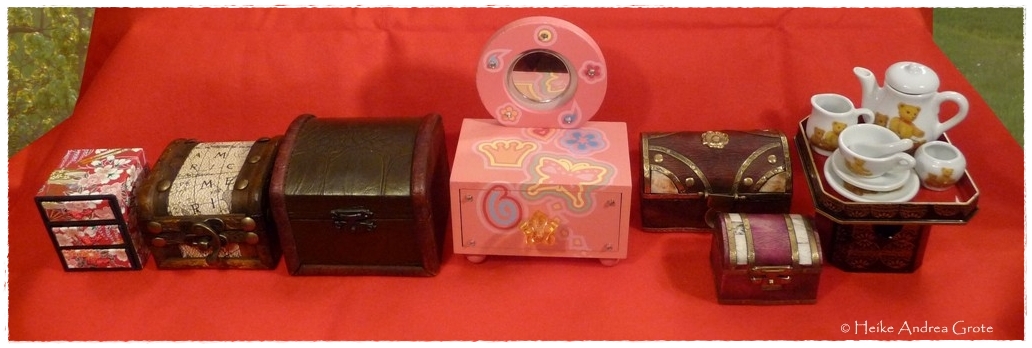
are items used within the palatial residence:
•
tansu
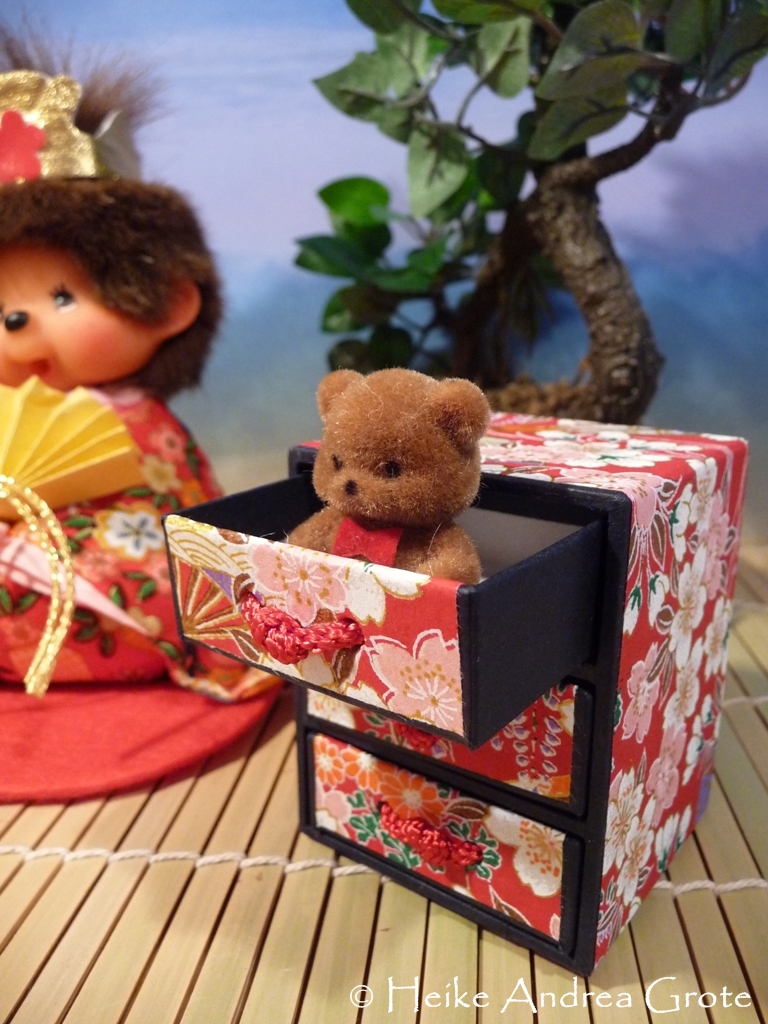
(箪笥) : chest of (usually five) drawers, sometimes with swinging
outer covering doors. •
nagamochi
(長持) : long chest for kimono storage. •
hasamibako
(挟箱) : smaller clothing storage box, placed on top of nagamochi. •
kyōdai
(鏡台) : literally mirror stand, a smaller chest of drawer with a
mirror on top. •
haribako
(針箱) : sewing kit box. •
two
hibachi (火鉢) : braziers. •
daisu
(台子) : a set of ocha dōgu (お茶道具) or cha no yu dōgu (茶の湯道具), utensils
for the tea ceremony.
daisu
(台子) : a set of ocha dōgu (お茶道具) or cha no yu dōgu (茶の湯道具),
utensils for the tea ceremony.
Seventh Platform
These
are items used when away from the palatial residence:
•
jubako
(重箱), a set of nested lacquered food boxes with either a cord tied
vertically around the boxes or a stiff handle that locks
them together. •
gokago
(御駕籠 or 御駕篭), a palanquin. •
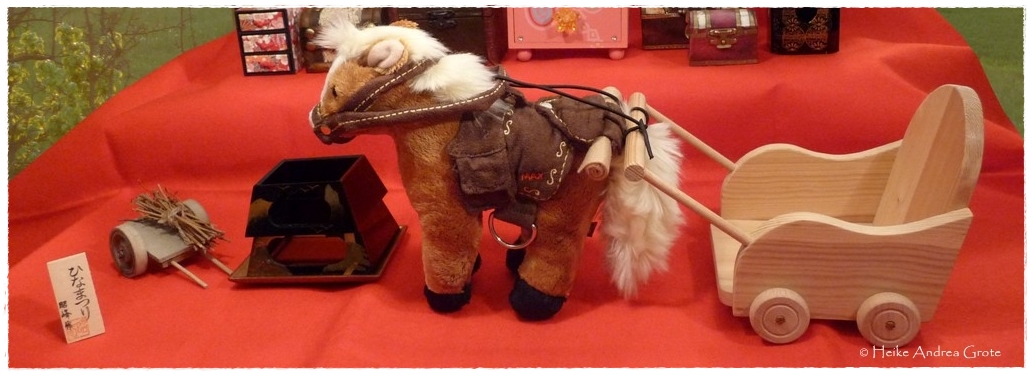
goshoguruma
(御所車), an ox-drawn carriage favored by Heian nobility. This last is
sometimes known as gisha or gyuusha (牛車)). •
Less
common, hanaguruma (花車), an ox drawing a cart of flowers.
History of Hina MAtsuri
The Hinamatsuri has three origins which can be traced
back to the Heian Period (794 - 1192 A.D.).
1. One is a tradition in which young girls played with
paper dolls called Hiina Asobi.
2. Another is a Chinese based tradition for giving
offerings to the Gods at the change of each season.
3. The most significant one, though, is an ancient
Japanese practice to rub a Katashiro or Hitogata,
a paper human resemblance, on a person's body and set
it adrift on rivers or the sea.
It was believed that washing away these human
resemblances would wash away impurity and evil
spirits.
On the other hand, these human resemblances were
considered as Gods also.
These three traditions were blended together and the
dolls became artistic and sophisticated
during the Muromachi Period (1338 - 1573 A.D.).
The celebration itself was established and popularized
as a girls'festival during the mid Edo Period (1603 -
1867 A.D.)
when it became something similar to what we know
today.
HinA MAtsuri Decoration with japanese
dolls
Here
you can see my two beautiful Hina dolls.
It was a great moment when I hold them in my hands for
the first time.
They are so precious for me.
I took some photos of the dolls to show the
super detailed clothes and accessories
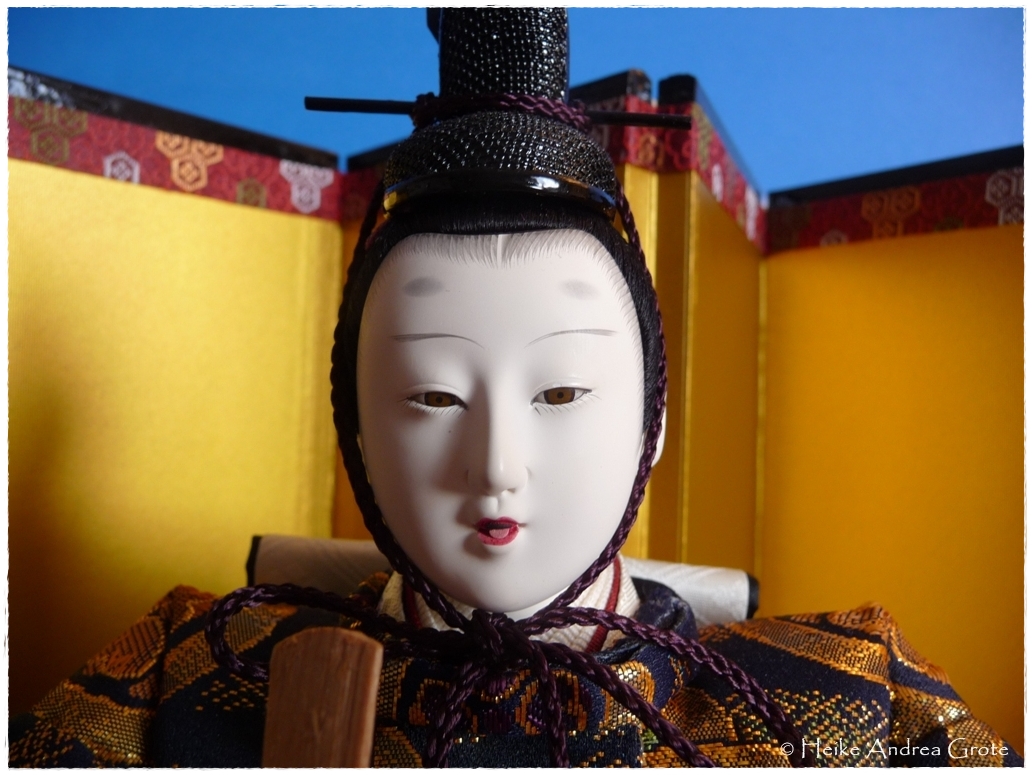
and moreover the wonderful painted faces.
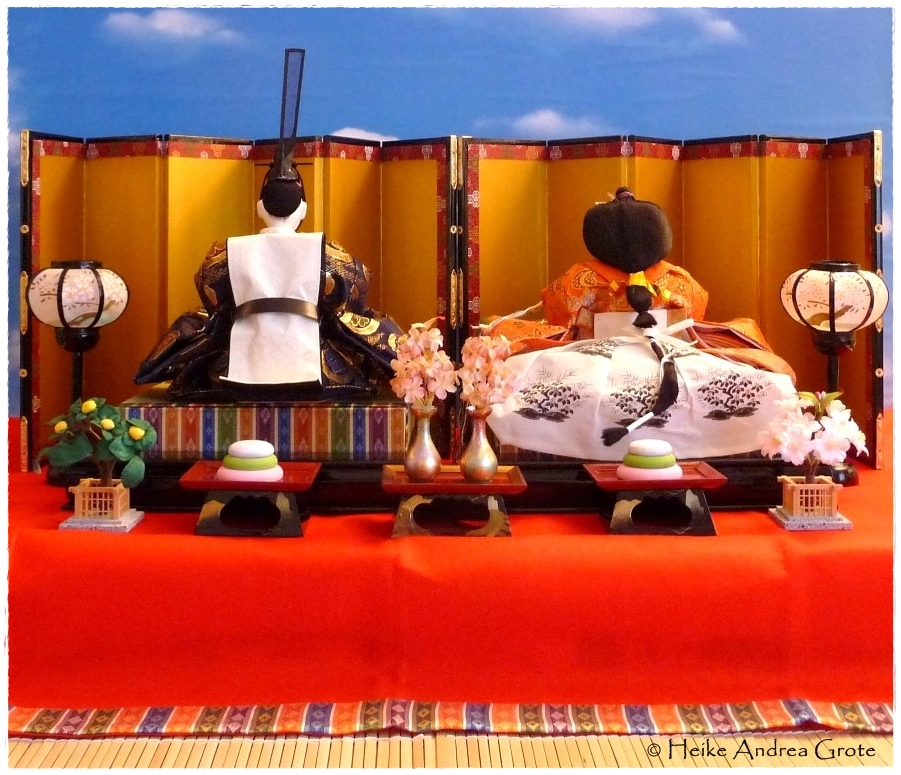
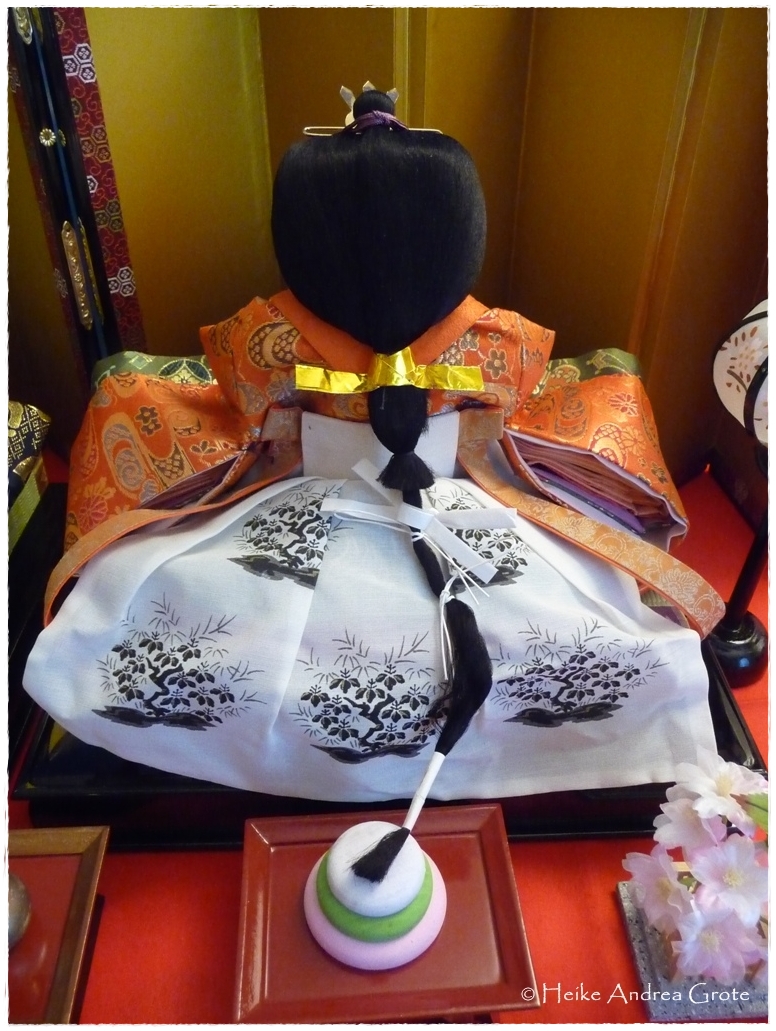
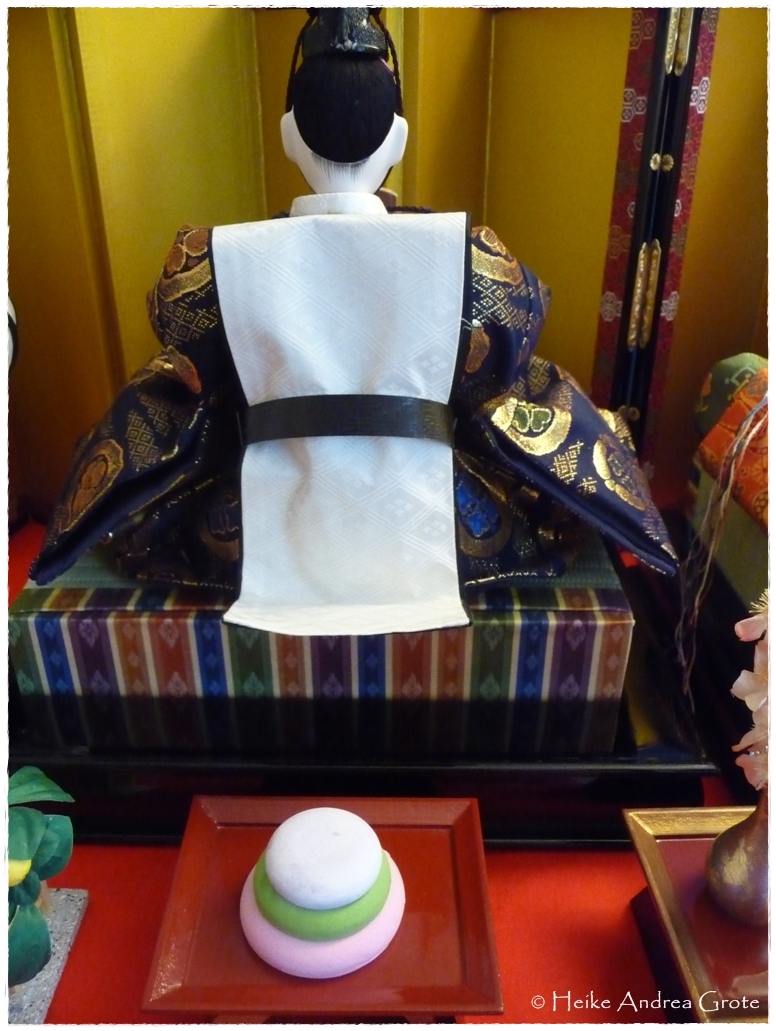
Here
you can see, how the clothes look from the back.
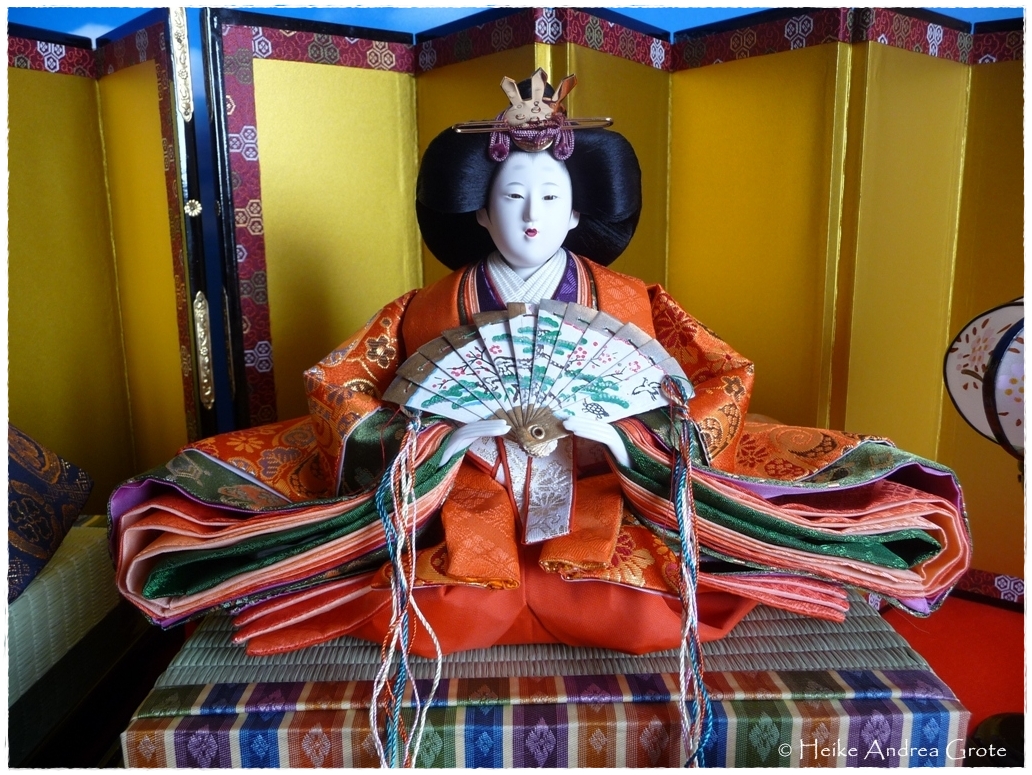
The
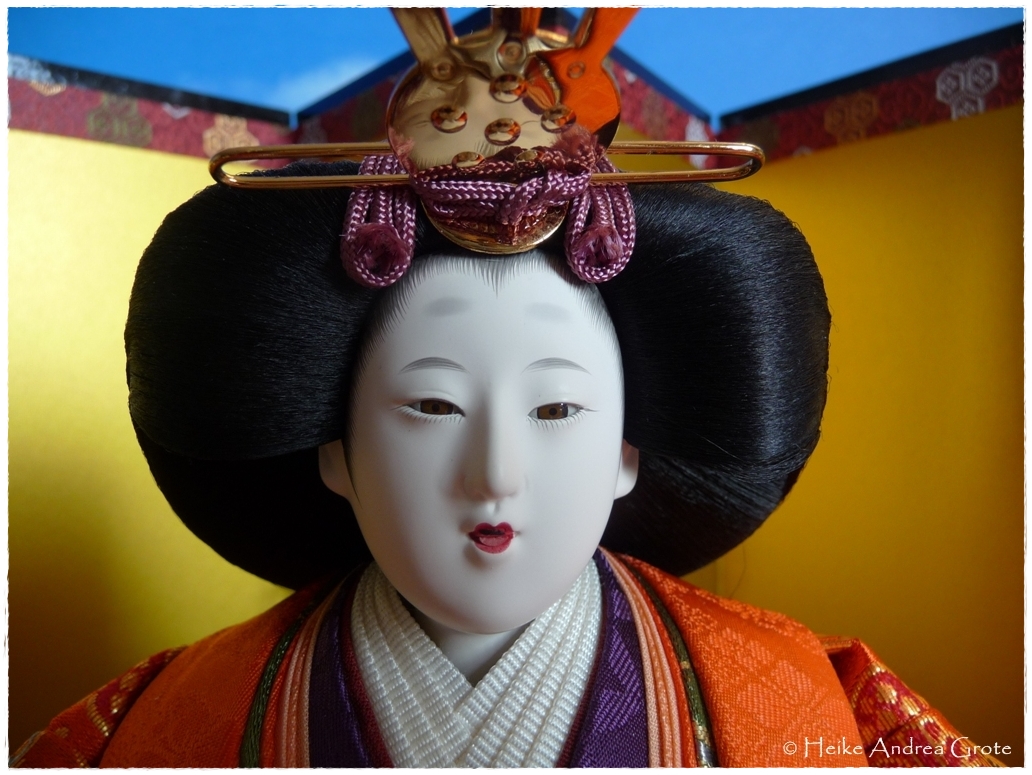
Empress (御雛様, Ohime-sama) holding a fan.
Look
at her beautiful long hair!
The
fan is an accessory which is put at the doll when she
is displayed.
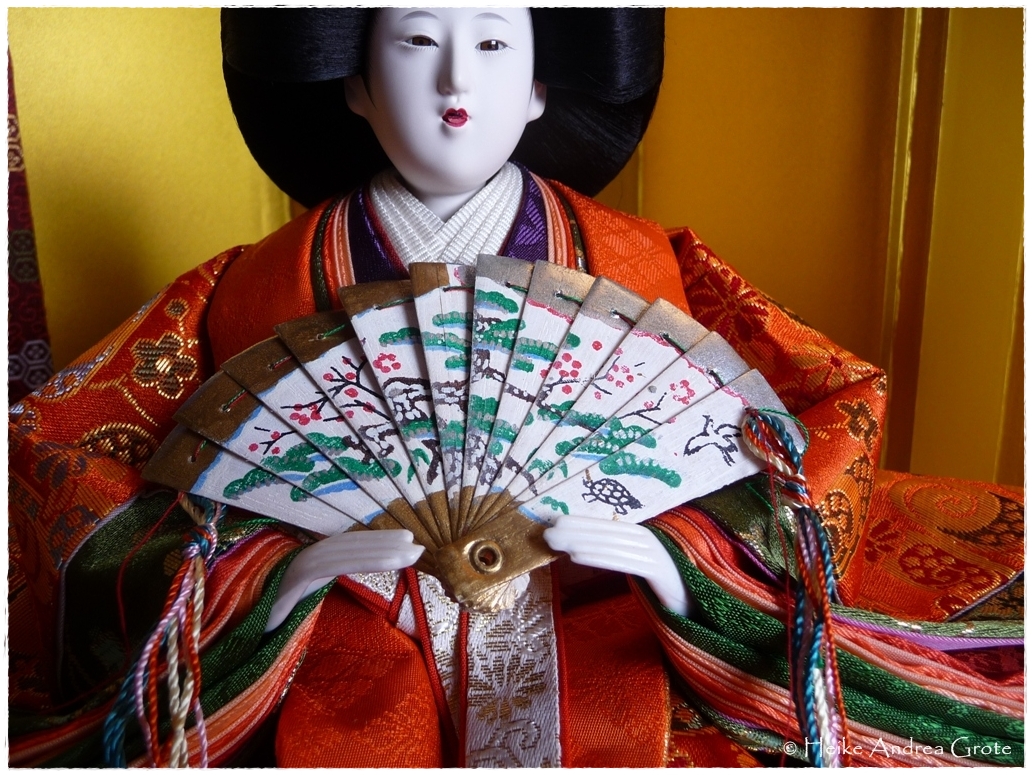
I
love her beautiful and detailed painted face.
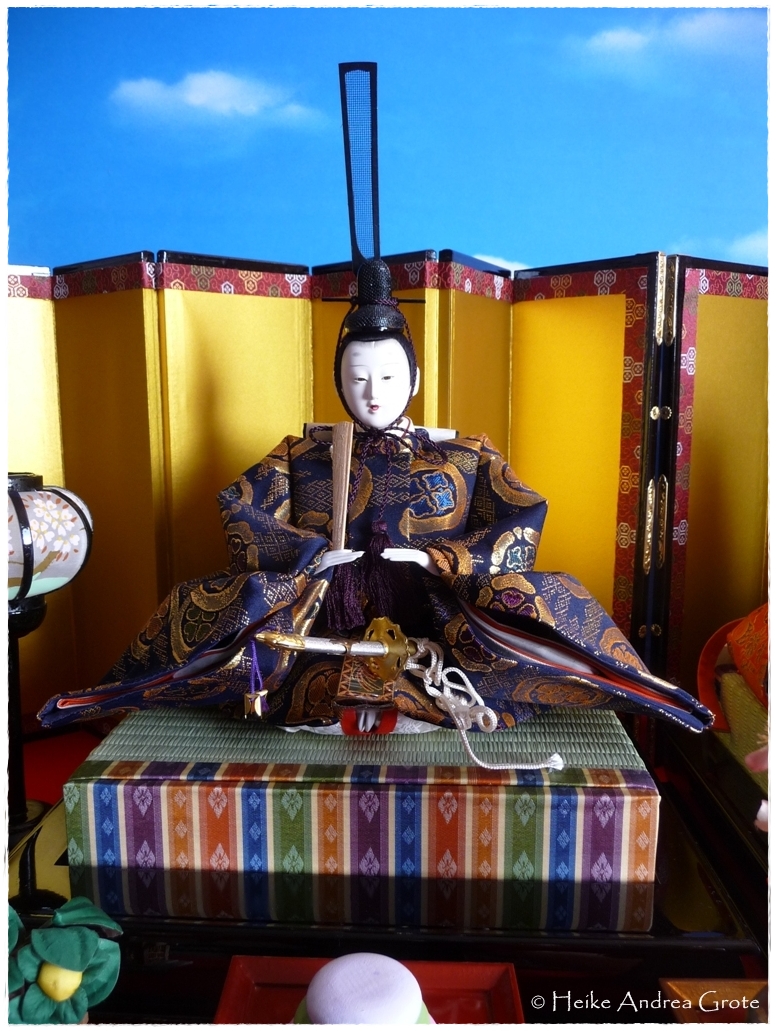
The
Emperor (御内裏様, Odairi-sama) holding a ritual baton (笏, shaku) and
sword.
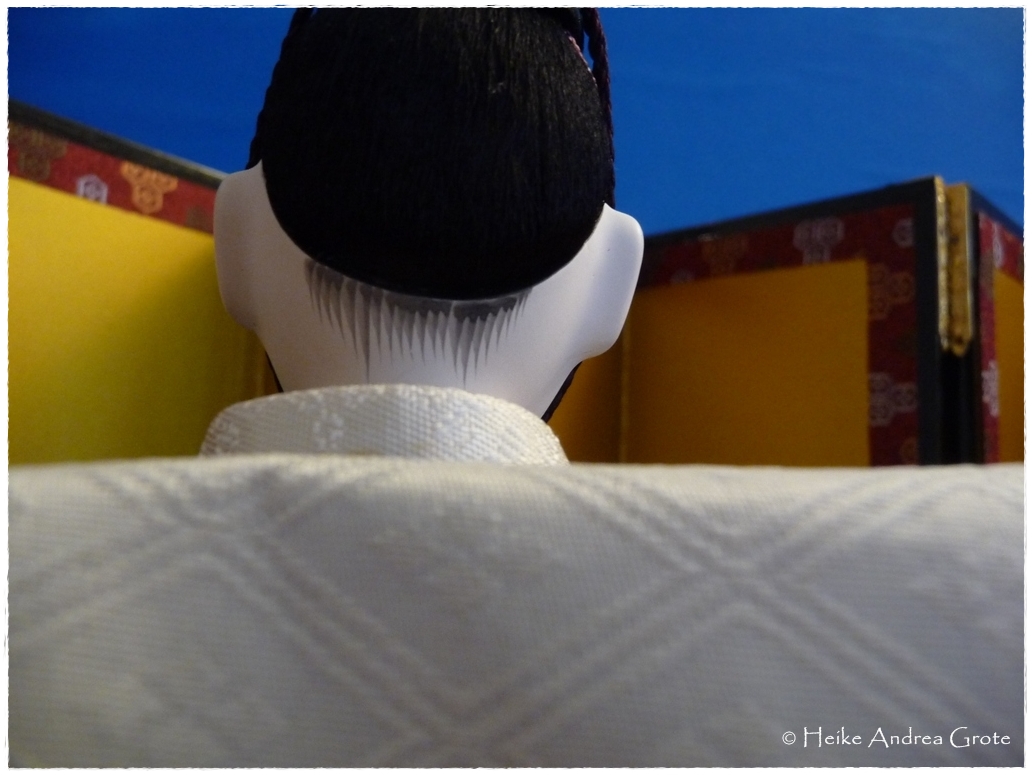
Super
detailed
painted hair at the back.
A
ritual baton (笏, shaku).
The
hat, the baton and the sword are accessories which are
put on the doll when he is displayed.
Detailed
painted
face.
My
two Hina dolls have classical faces, which means that
they have different facial expressions.
Modern dolls often have the same facial expression at
the male and female doll.
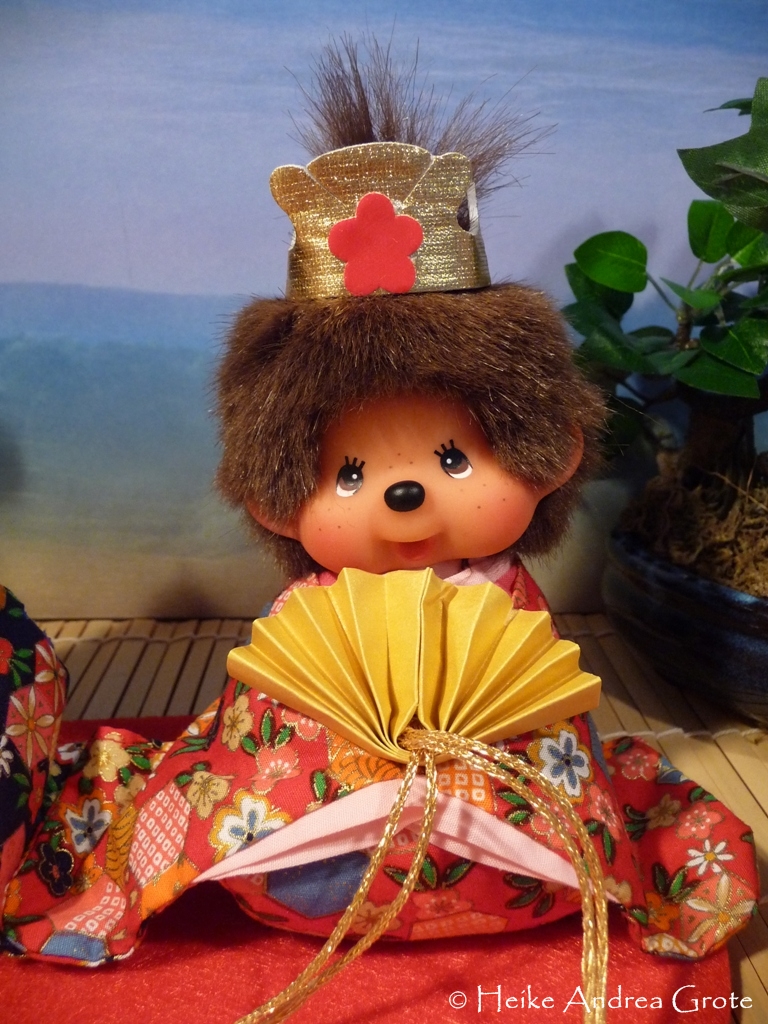
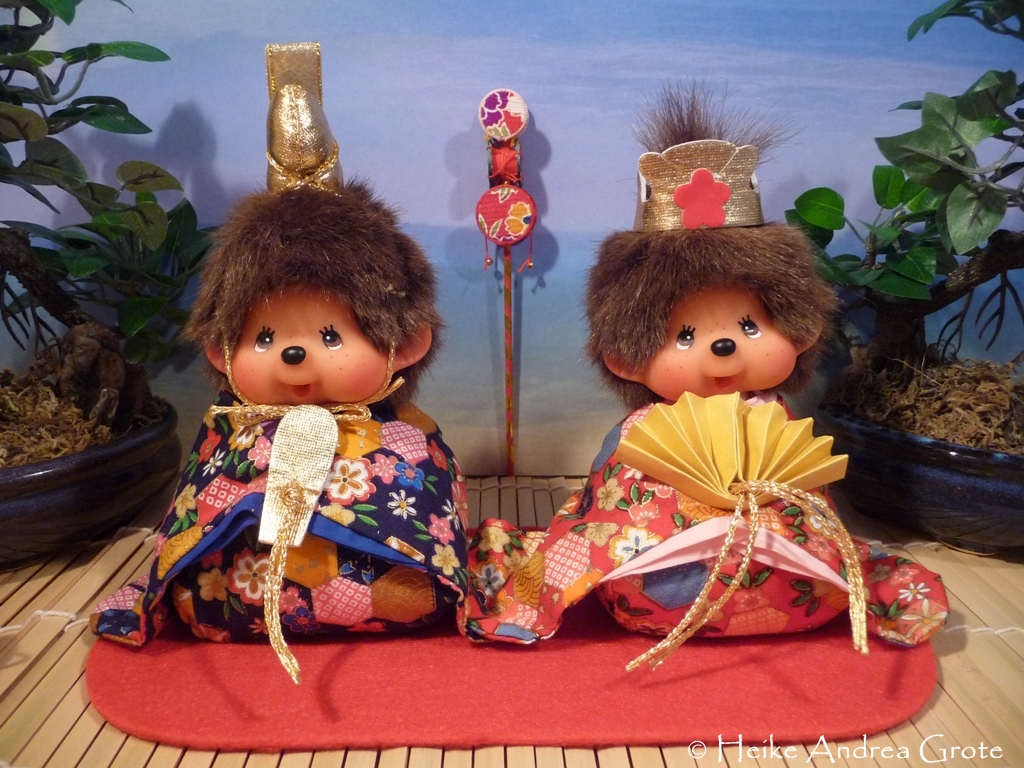
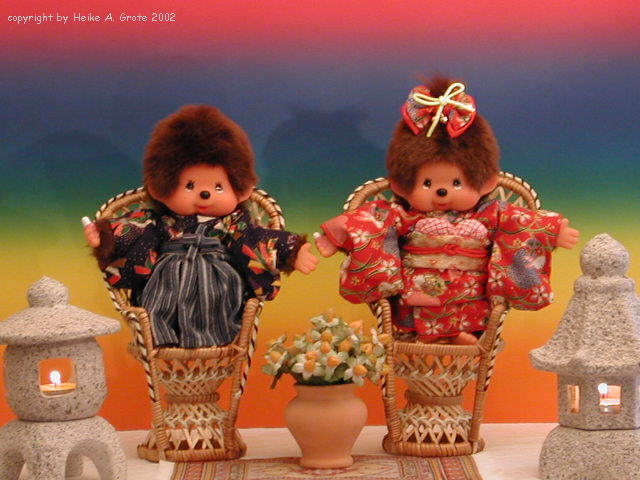
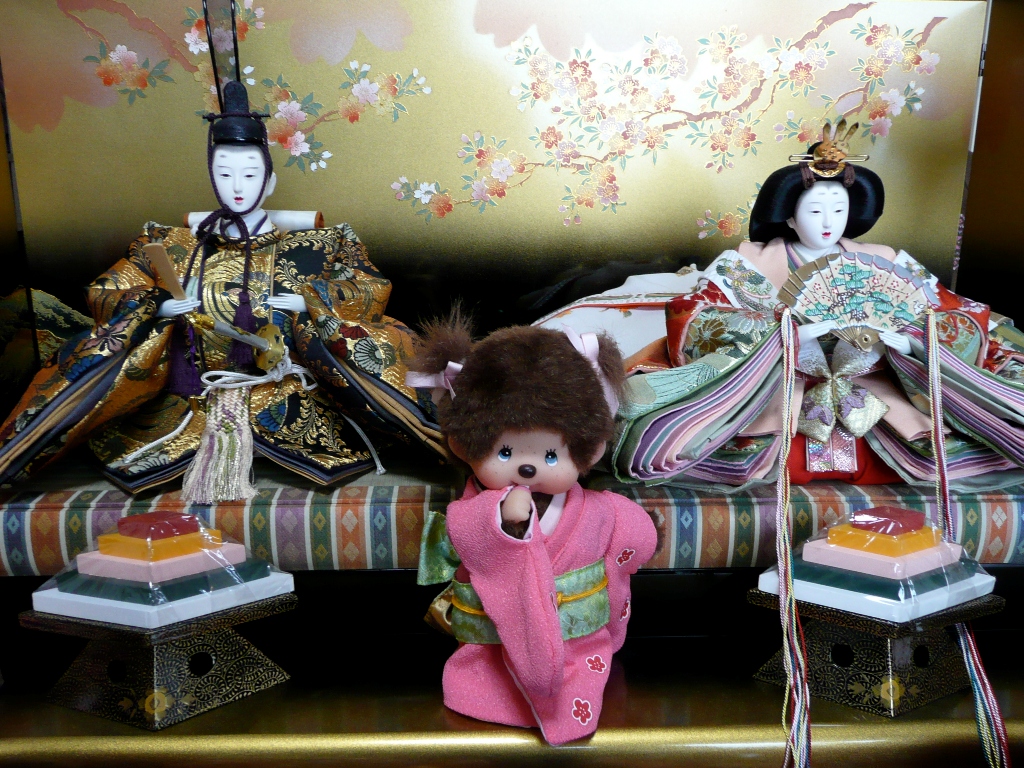
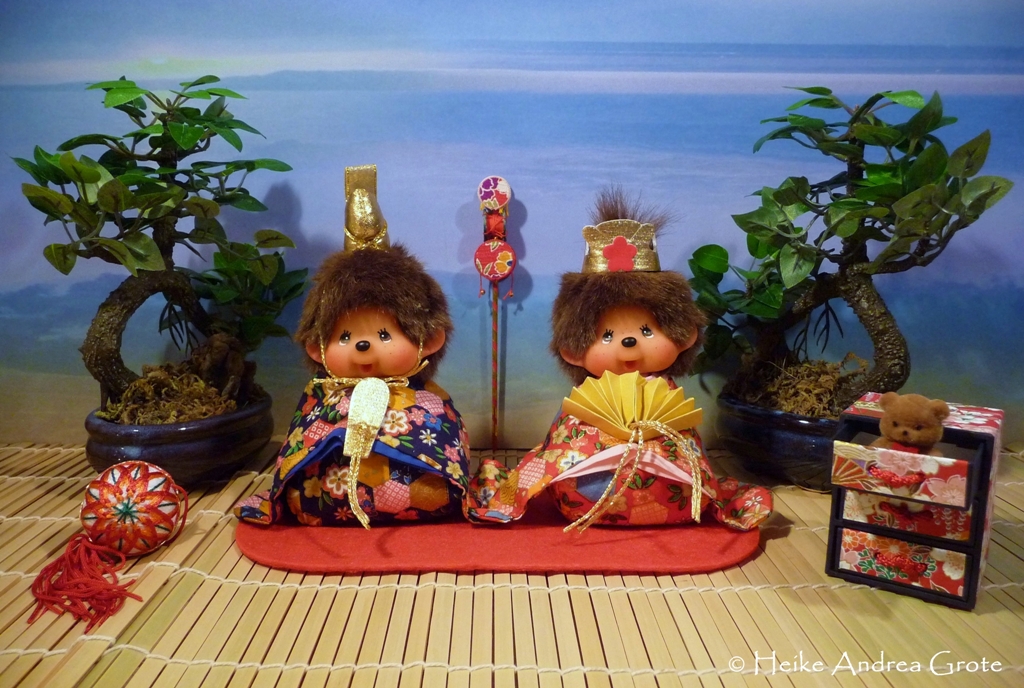
Monchhichi Emperor and Empress
Finally,
it
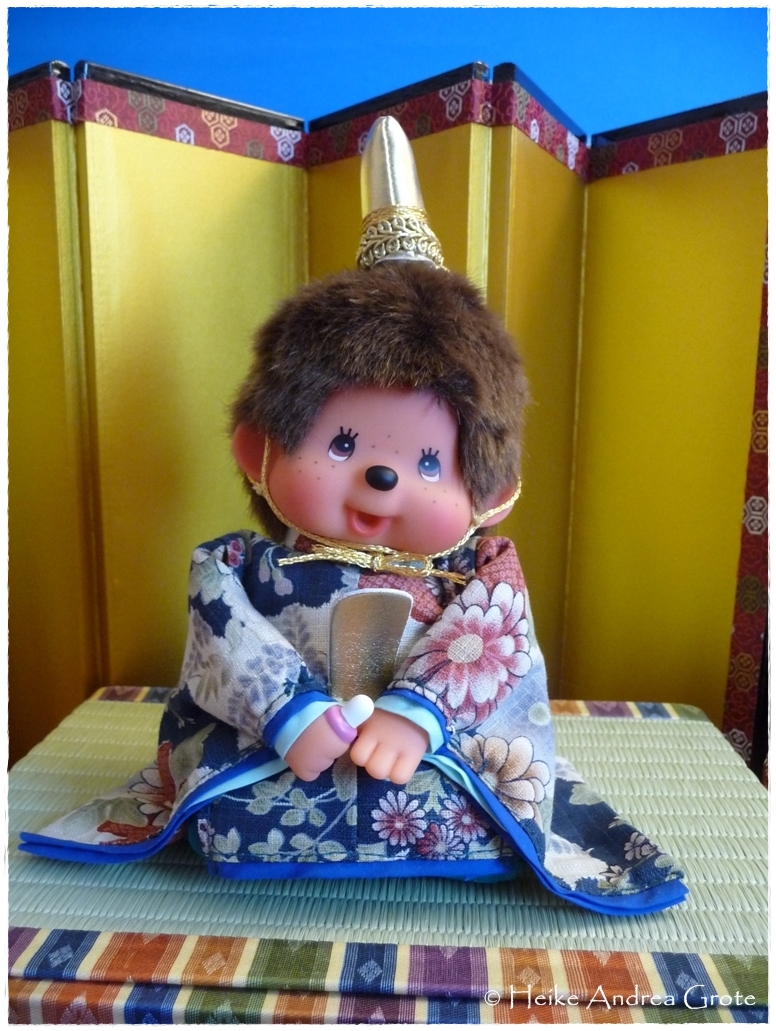
was a must for me to put my Monchhichi Emperor and
Empress,
onto the original Hina Matsuri Decoration. Aren't they
looking cute?
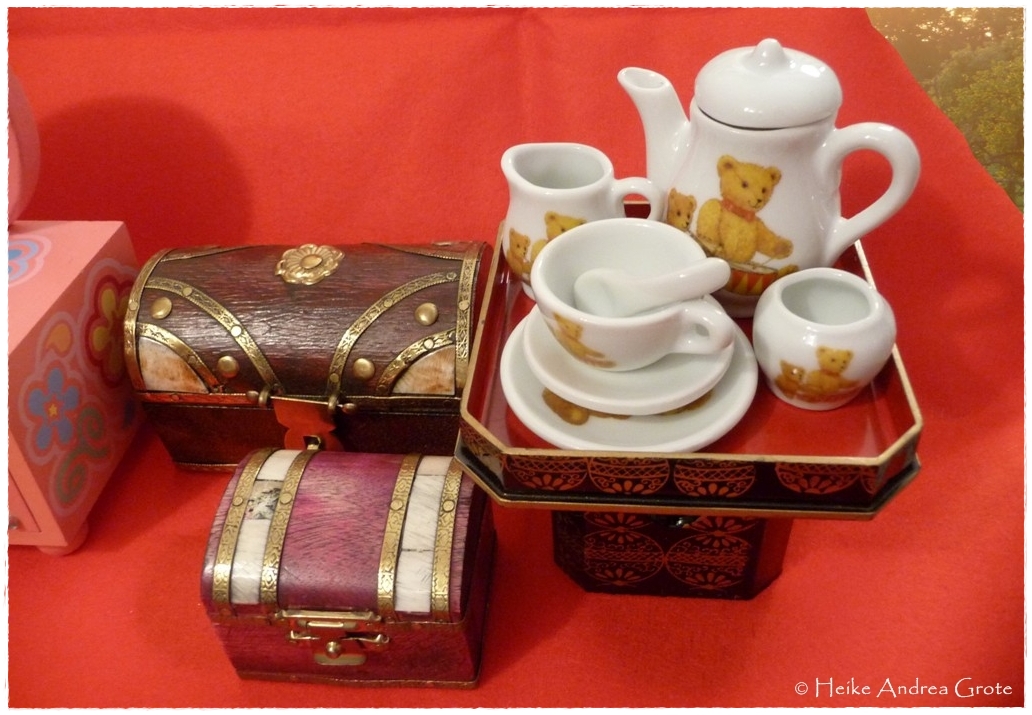
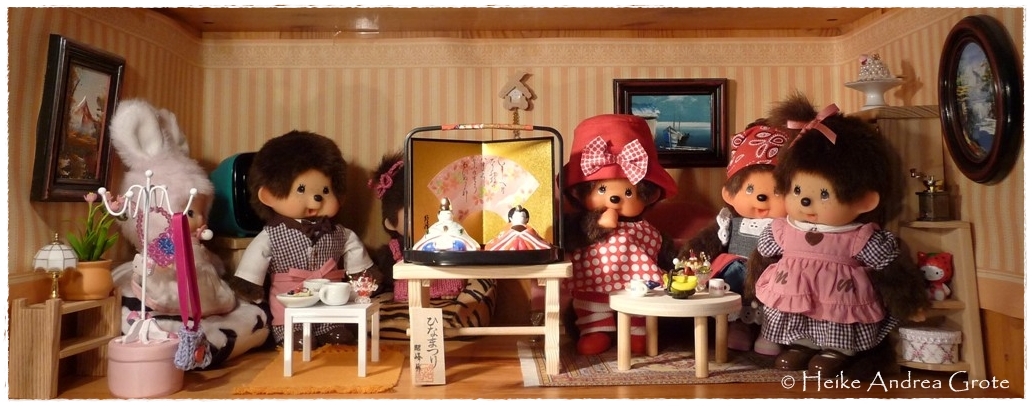
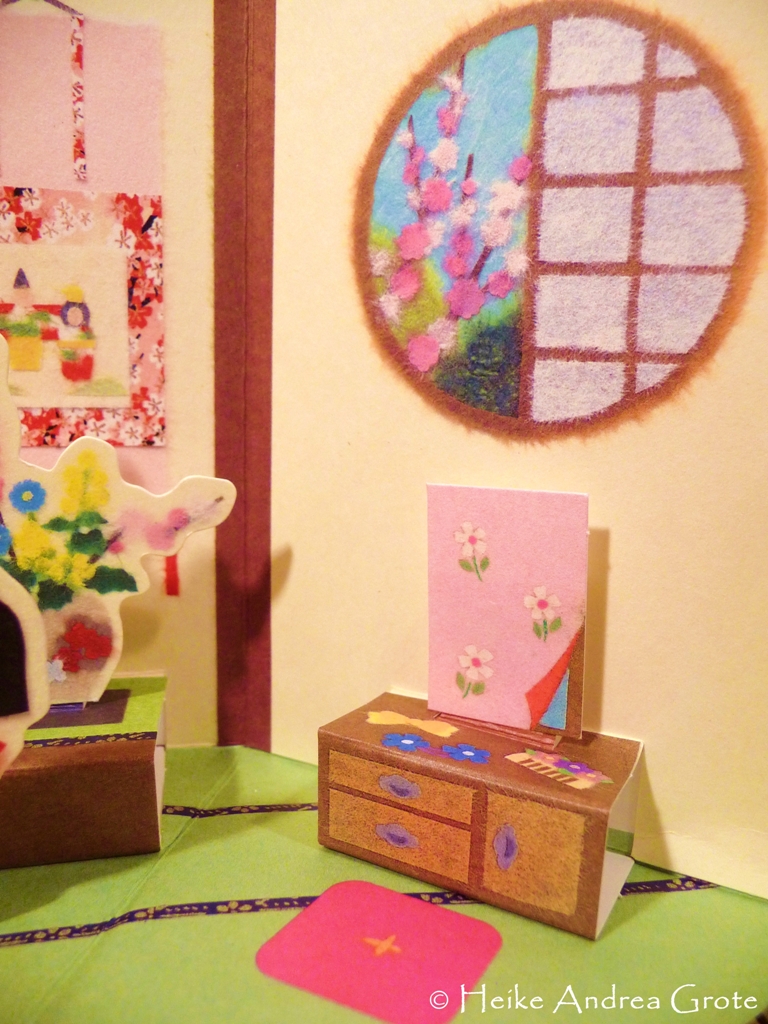
Hina Matsuri Mini Decoration
Hina Matsuri decoration at the Monchhichi Cafe.
The
Monchhichi Cafe owners are always happy
to display their Hina Matsuri decoration at March
03 every year.
Do you see the signs at the folding screen?
Ogura Hyakunin Isshu
I wondered about the content of the signs at the
folding screen. It
is a famous poem in the New Year's card game. Ogura Hyakunin Isshu
(小倉百人一首) is a classical Japanese anthology of one hundred Japanese
poetry (waka) by one hundred poets. Hyakunin isshu can be translated
to "one hundred people, one poem [each]"; it can also refer to the
card game of uta-garuta,
which uses a deck composed of cards based on the Ogura Hyakunin
Isshu. For more Desciption
see here: http://en.wikipedia.org/wiki/Ogura_Hyakunin_Isshu
In the famous New Year's
card game, one person reads one poetry. It is a short poetry of
Japanese ancient times called a 31-syllable Japanese poem. It is read using the
language of 5, 7, 5, 7, and 7.
The meaning of this
31-syllable Japanese poem is this.
Eight-fold cherry flowers That at Nara--ancient seat Of our state--have bloomed, In our nine-fold palace
court Shed their sweet perfume
today. (Lady Ise no Osuke)
Here is the site
which translated the New Year's card game into English : The poetry on the folding
screen is 61st poetry.
At this video you can hear, how the poem Nr.61 of the
New Year's card game (Ogura-hyakunin-Isshu) is read.
It is alway read at a peculiar time. It seems as if
the poem is sung.
This is a video where the english translation is attached to the
photograph of the card game of a New
Year's card game
( 100 pieces of poetry.= Ogura-hyakunin-Isshu).
Hina
MAtsuri
2012
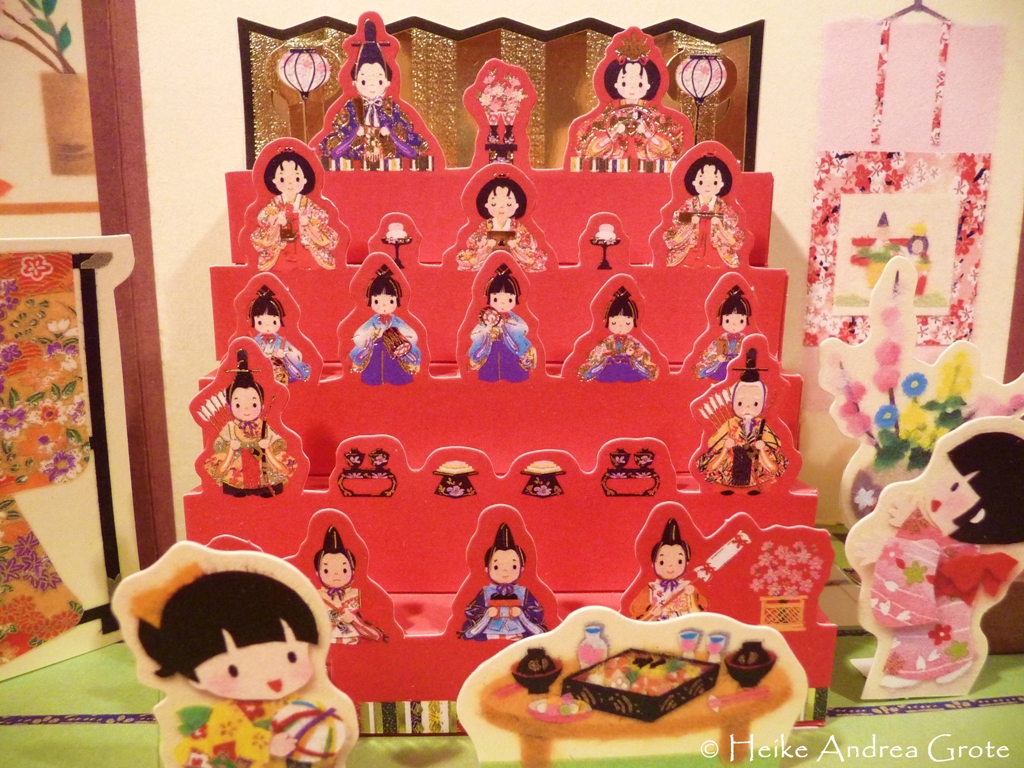
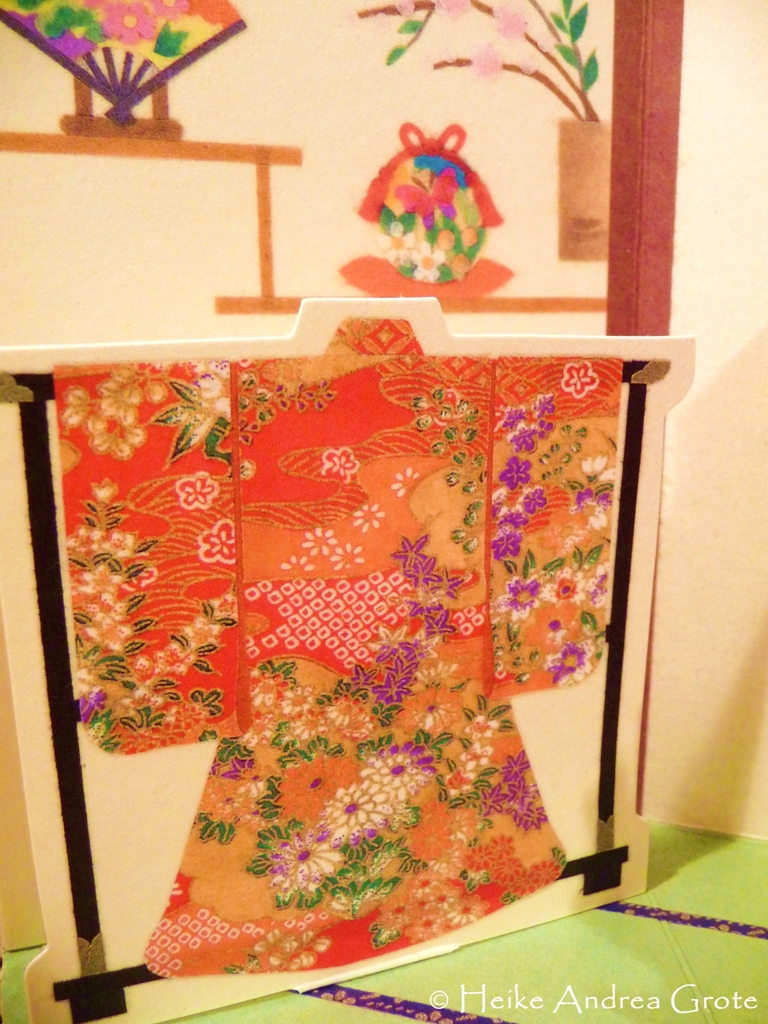
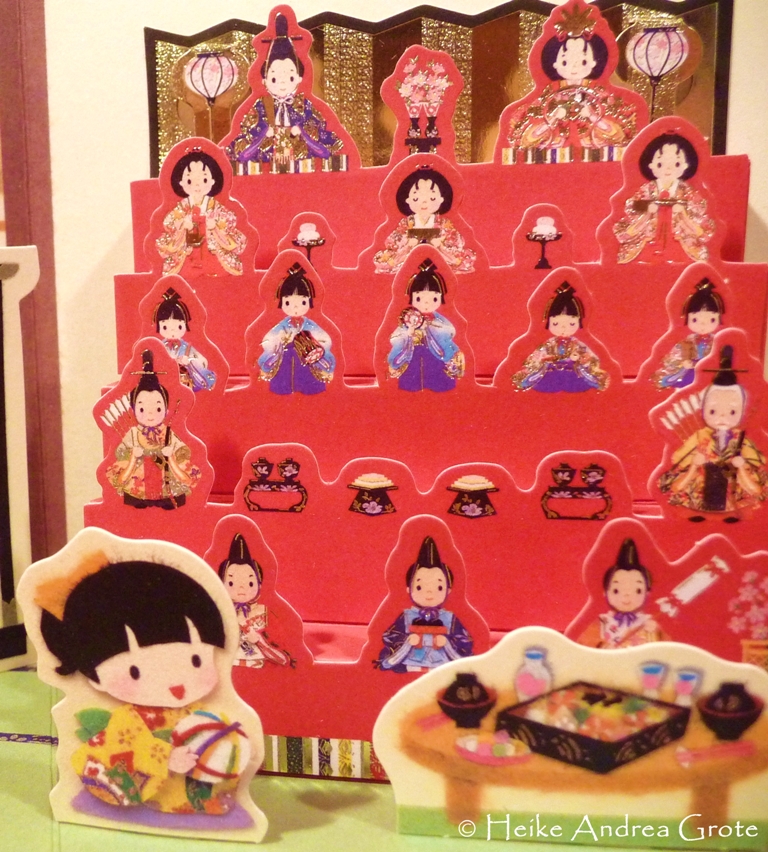
I like the kind of design of the dresses of the emperor and
empress very much.
Hina
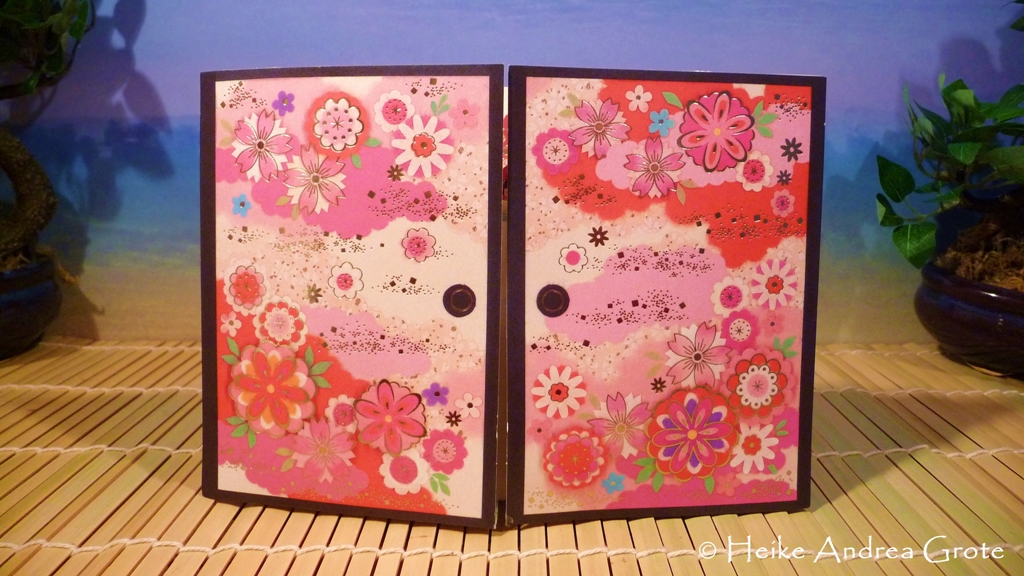
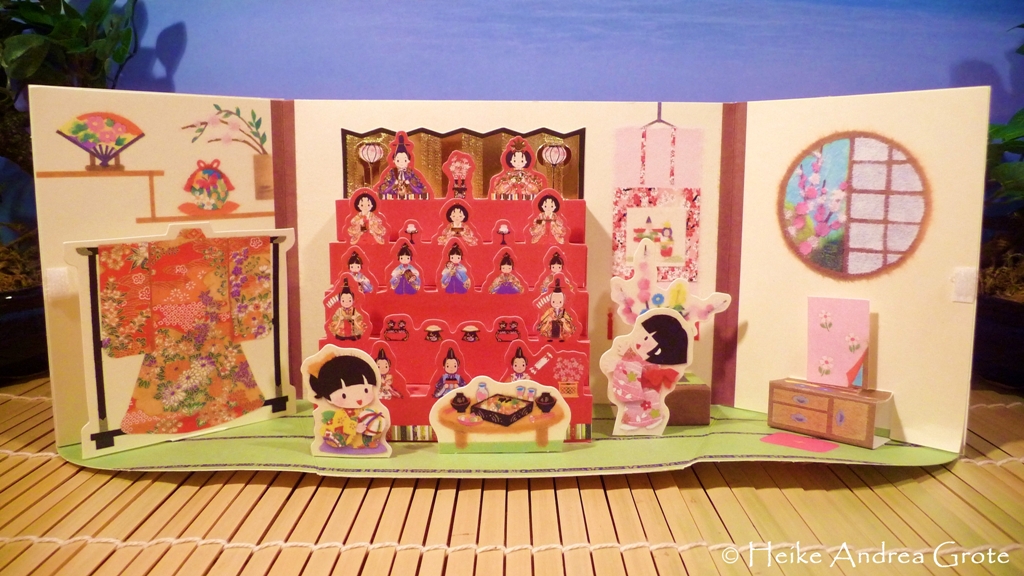
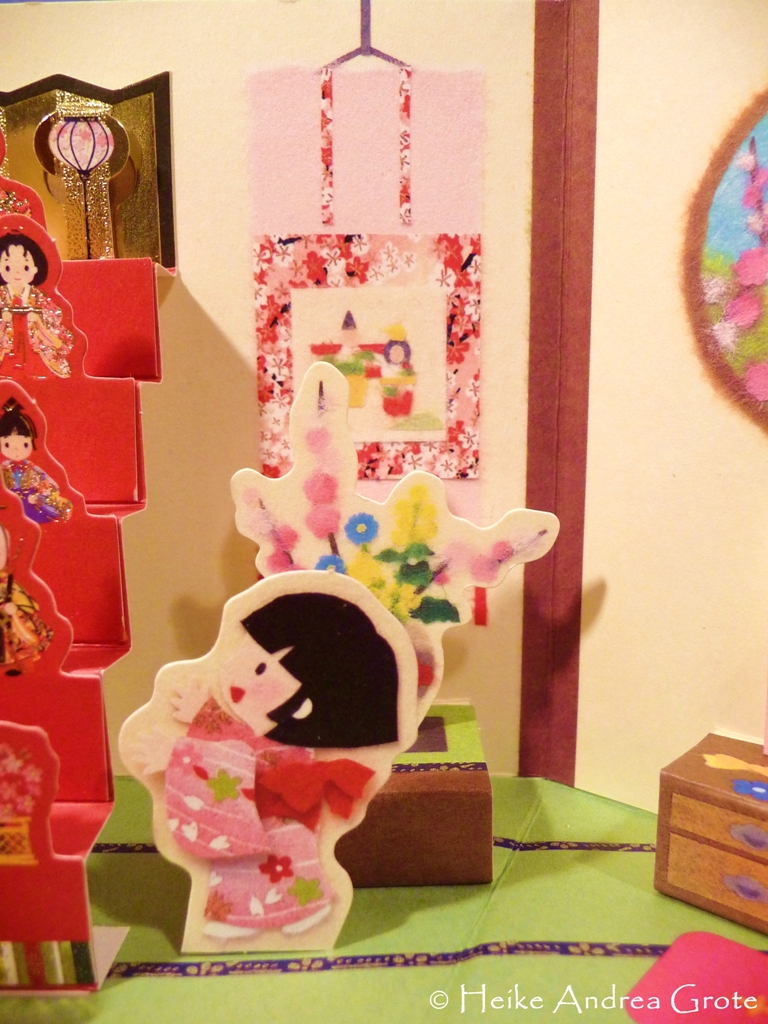
MAtsuri 3d-Greeting Cards 2012
Woooooooooow!
I am so excited about the amazing details in that card. It
is a little world of its own.
Here you can see videos of 2 Hina
Matsuri Greeting Cards with sound.
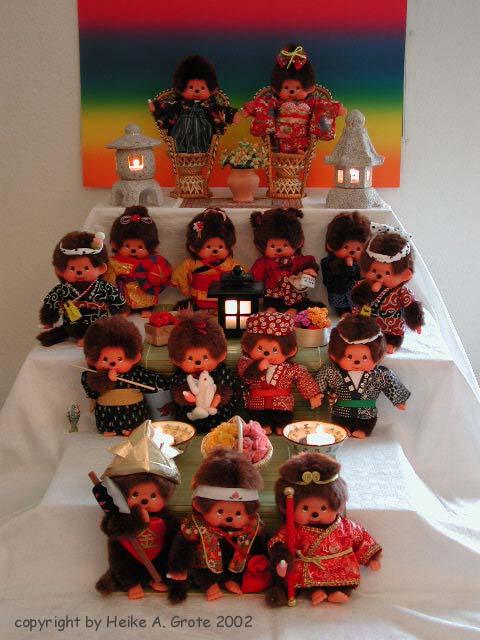
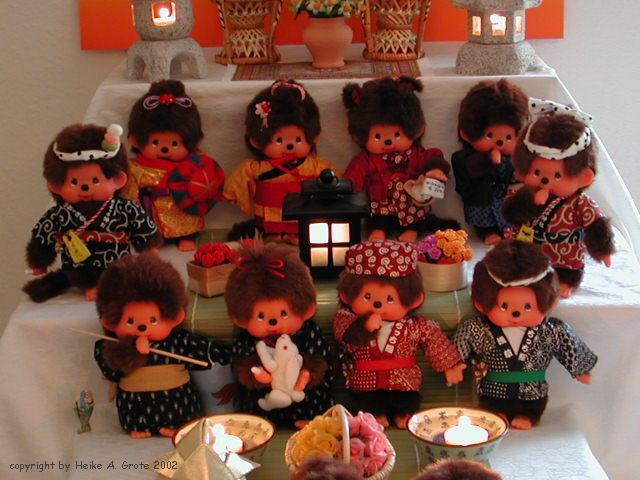
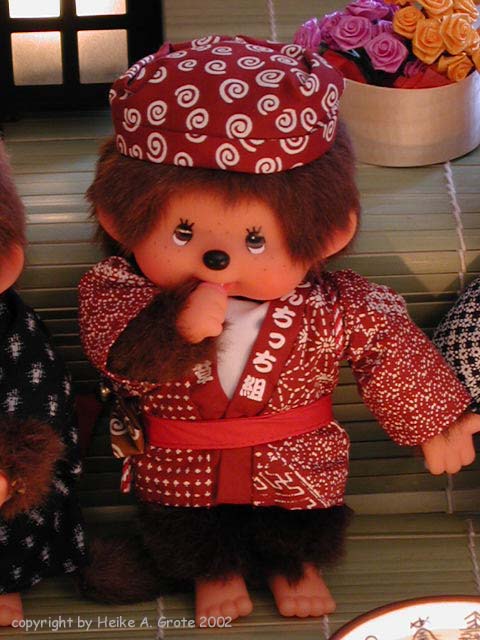
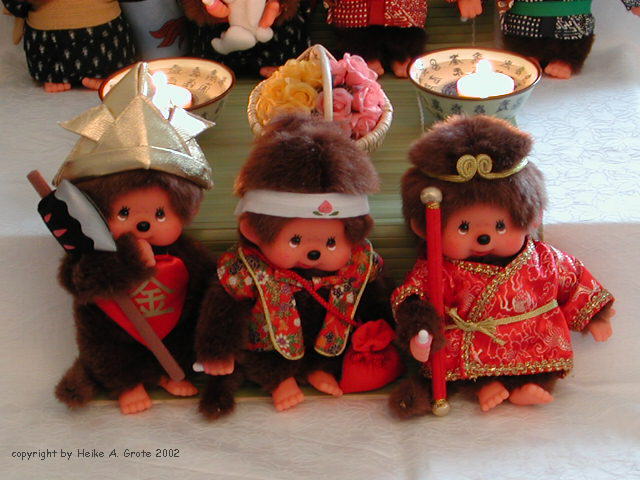
Hina MAtsuri Monchhichi Decoration
2002
This
was my frist try in 2002 to display a Hina Matsuri decoration
consisting only of Monchhichis.
Emperor
and
Empress
Court
ladies , Ministers of the left and right, musicians
Attendants
Links
Monchhichi Exchange
photo
copyright
by Kaoru Suga. The photo is used with kindly permission.
Please watch
how my Monchhichi girl Emily celebrates
her first Hina Matsuri festival in Japan in 2012.
Here you can
watch Cherry celebrating her first Hina Matsuri
in Germany 2013.
You
may watch another of my websites
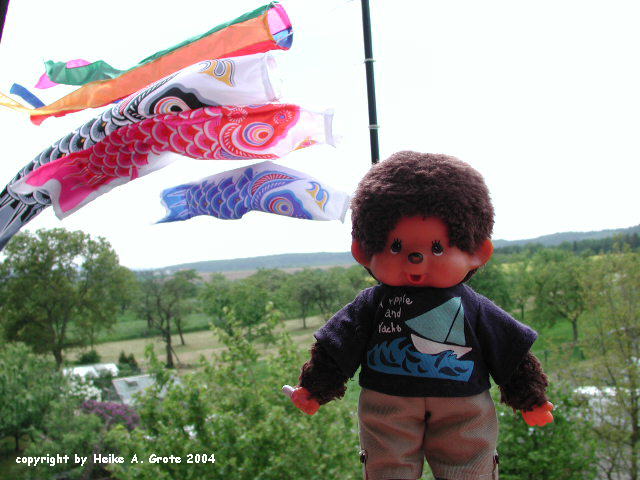
regarding the boys festival Koinobori:
Song
Here
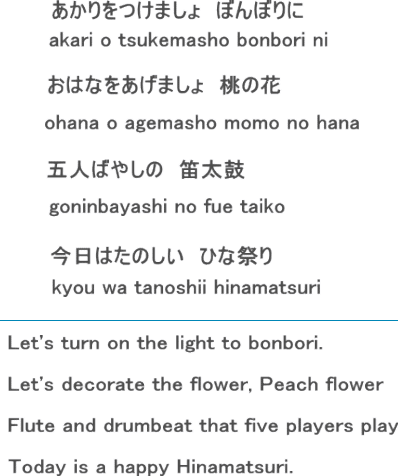
you can listen to the melody of the Hina Matsuri song (you may
stop the musicplayer below first)
Here
you can listen to children singing the Hina Matsuri song as MP3
recording
and watch more informations regarding Hina Matsuri Mama
Lisa's Hina Matsuri page
Videos
This video explains
the meaning of Hina Matsuri very well.
At this video you see the
celebration of Hina Matsuri at a shrine.
Another super cute video with a dear friends
daughter singing the Hina Matsuri song.
I am happy to publish this video with the kind permission of the
owner. Thank you.
Translation
of
the Hina Matsuri song:
Facebook Comment Box
Copyright of the Monchhichi photos by Heike Andrea
Grote.
You are not allowed to copy or publish it.
Thank you.